
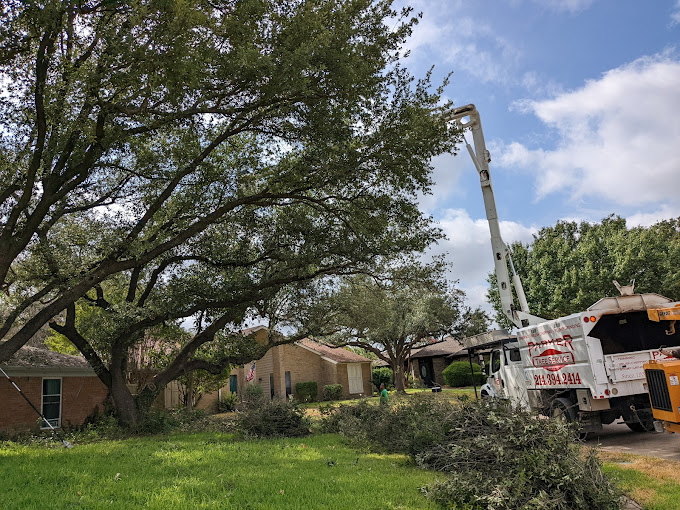
How Often Should Trees Be Pruned for Health?
Proper tree pruning is more than keeping branches “in shape.” In Dallas, TX, the right pruning schedule supports tree health, helps reduce storm-related damage, and can make it easier to manage tree disease treatment, pests, and growth near homes. This guide helps you decide how often to prune, what to look for, and when to call a professional tree pruning service.
You notice the branches are getting thicker near your roofline, and a few limbs look dead or rubbing against each other. Then a windy week hits, and you start wondering whether pruning is due or if the tree is dealing with something more serious like tree pests or early tree disease treatment.
This guide walks you through a practical pruning schedule for tree health, what to check first on your property in Dallas, and how to spot the difference between normal growth and a tree that needs a closer look. You will also find common mistakes to avoid and a simple customer checklist you can use before you schedule tree trimming near you.
- Quick answer
- What to check first
- Main things customers should understand
- Why this matters in Dallas, TX
- Common mistakes to avoid
- Customer checklist
- Frequently asked questions

Quick Answer
Most residential trees do best with light, targeted pruning about once per year, with timing based on the tree species and its growth cycle. If you are dealing with dead limbs, crossing branches, or branches touching structures, you may need more frequent pruning for safety and tree health care. For trees showing signs of stress, wood borer treatment needs, or possible tree insect treatment, schedule a tree risk assessment or tree inspection first, then prune only what is necessary. A professional tree pruning service can help you avoid over-pruning and reduce future storm risk.
What to Check First
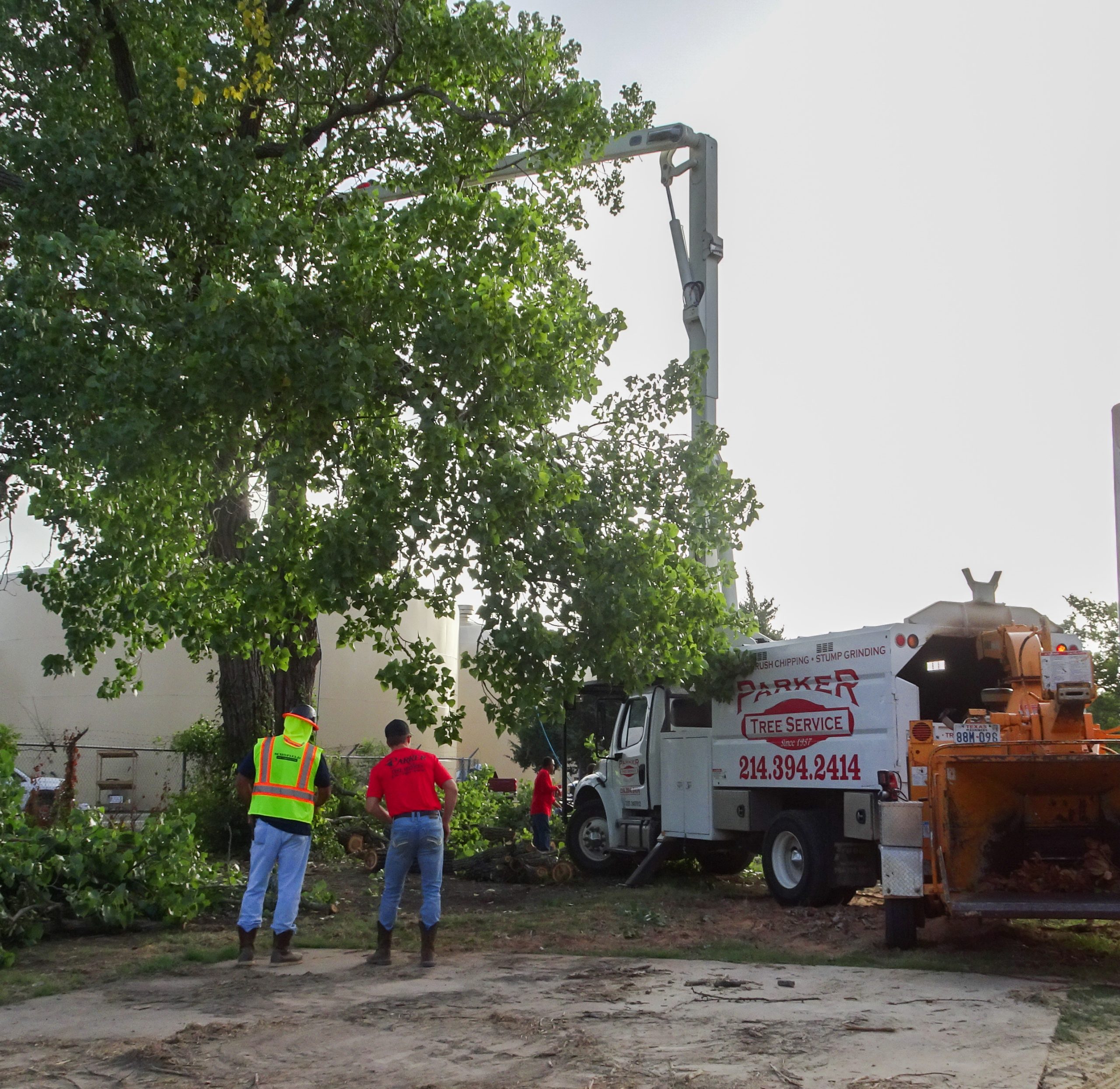
Before you decide “how often,” check what the tree is doing right now. Look for dead branches, limbs rubbing together, heavy growth toward the house, and any areas where the bark looks damaged or unusually thin. If you see holes, fresh sawdust-like debris, or patchy dieback, the tree may need a focused evaluation for wood borers treatment, webworms treatment, or tree pest control rather than routine trimming.
Safety signals
Dead limbs, leaning growth, branches in contact with power lines or rooflines, and weak-looking branch unions.
Health signals
Thin canopy in one area, repeated branch dieback, unusual leaf color, or persistent leaf problems that do not match the rest of the tree.
Growth management
Overcrowded branches, crossing limbs, and rapid shoot growth that is pushing toward windows, fences, or walkways.
Main Things Customers Should Understand
Pruning frequency is not a single calendar date for every tree. Instead, it depends on the tree’s age, species, growth rate, condition, and how close it is to structures. In many yards, a yearly visit is enough for routine tree maintenance services, but certain conditions call for more frequent, carefully planned cuts. The goal is to remove only what is necessary for tree health care and tree mitigation, not to “shape” the tree into an artificial outline.
Professional observation: In Dallas, we often see trees that are pruned too aggressively or too rarely. Over-pruning can trigger fast, weak regrowth, while infrequent pruning allows problems like crossing branches and deadwood to build up. Targeted pruning is usually the healthier path.
1) Species and growth pattern drive the schedule
Some trees naturally develop dense canopies and benefit from regular thinning to improve air movement. Others grow more slowly and need less frequent attention. If you are unsure, asking a local arborist for a tree consultation can help you set the right cadence for tree pruning services near me.
2) “Light pruning” is different from “maintenance pruning”
Light pruning typically means removing small amounts of deadwood, broken branches, or minor clearance issues. Maintenance pruning focuses on thinning crowded areas and improving structure, which can reduce future storm damage tree service concerns. Heavy pruning, especially multiple times in a short period, can stress the tree and may increase pest pressure.
3) Tree disease treatment and tree insect treatment change the plan
If a tree shows signs connected to tree borer control or tree insect treatment, pruning is usually part of a bigger plan that may include evaluating the canopy, checking trunk areas, and considering deep root fertilization or soil conditioning. For deeper root support, you can review deep root fertilization in Dallas as part of a health-focused approach.
4) Proximity to structures affects frequency
Trees near roofs, garages, driveways, and fences often require more frequent clearance pruning than trees in open yards. If limbs are repeatedly reaching the same spots, it can be a sign you need a better plan, not just another round of trimming.
5) Storm season can shift your pruning timeline
Dallas properties can experience high winds and sudden weather swings. When storms are a factor, the “right time” to prune is often the time that reduces risk: removing deadwood, correcting weak structure, and thinning crowded areas so branches do not snag or split under stress.
| Tree situation | Typical pruning pace | What to target | When to switch from routine to evaluation |
|---|---|---|---|
| Healthy tree with normal growth | About once per year | Light thinning, clearance, and removal of small deadwood | If you see dieback, unusual leaf issues, or repeated branch breakage |
| Crossing branches and crowded canopy | Once per year, sometimes twice for a season | Selective thinning and structure improvement | If multiple limbs show damage or the tree appears stressed |
| Signs of pests or wood borers | Schedule evaluation before pruning | Remove only what is necessary after inspection | If you notice holes, fresh debris, or localized decline |
| Dead limb or hazardous limb concerns | As soon as practical | Hazardous tree removal or targeted removal | If branches are near power lines or could fall onto structures |
Why This Matters in Dallas, TX
In Dallas, trees often live close to older homes, newer builds, and busy streets where branches can rub siding, obstruct gutters, and create clearance issues. Seasonal growth spurts can make problems show up quickly, and wind can expose weak structure that was “fine” during calmer months. A thoughtful tree pruning service helps you keep canopy structure strong, maintain healthier growth, and reduce the odds of needing emergency tree removal.
If your property has trees that have been damaged by a storm, you may need more than basic trimming. For storm-impacted limbs and cleanup planning, see emergency tree removal services from Parker Tree Service for Dallas and DFW Suburbs.
Need help deciding your pruning schedule?
When you are unsure whether to prune now, thin lightly, or evaluate possible pests, Parker Tree Service can help you sort out what the tree needs. Call for tree health care guidance in Dallas, TX.
Call (214) 394-2414Common Mistakes to Avoid
Some pruning mistakes are easy to make when you are trying to “fix” a tree quickly. The biggest issues are cutting too much, cutting at the wrong time, and treating symptoms instead of the underlying cause. Here are a few common problems we see around Dallas homes and commercial lots, along with what to do instead.
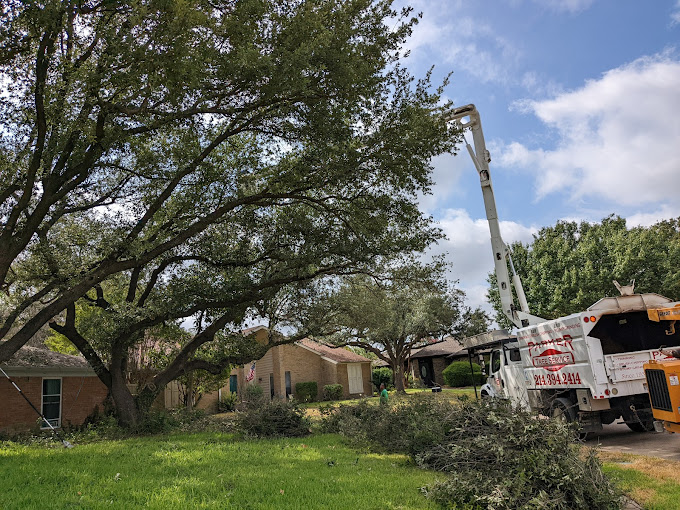
- Over-pruning the canopy: Removing too much at once can trigger fast, weak regrowth and stress the tree.
- Ignoring deadwood: Dead limbs can become hazards and should be addressed through proper tree trimming rather than waiting.
- Cutting without a plan: Random cuts can reduce structural strength. Selective pruning protects tree health.
- Assuming every problem is “just growth”: Leaf issues, dieback, and localized decline can point to tree disease treatment needs or tree insect treatment.
- Forgetting clearance management: If limbs repeatedly hit the same areas, you likely need a structured pruning approach, such as tree crown thinning or tree crown reduction.
- Skipping follow-up: If the tree is stressed, a one-time trim may not fix the larger issue.
If your goal is more about reducing size and managing canopy spread than removing hazard branches, you may benefit from tree pruning, trimming, and reduction planning that focuses on structure and long-term health.
Customer Checklist
Use this checklist before scheduling tree pruning. It helps you describe what you see, reduces back-and-forth, and makes it easier for a professional arborist to recommend the right scope of work for tree health care.
- Identify dead branches and note where they are on the tree (near roofline, driveway, or walkways).
- Check for crossing branches, rubbing limbs, and crowded areas in the canopy.
- Look for bark damage, cavities, or signs connected to wood borers treatment (holes, debris, or localized decline).
- Confirm whether the tree is touching structures or blocking gutters and downspouts.
- Decide what outcome you want: clearance, shape control, or removing hazardous growth.
- Plan your timing around Dallas seasons and weather changes, especially before high-wind periods.
- If the issue seems pest- or disease-related, request an inspection first rather than doing repeated trimming.
Representative Scenario
For example, a homeowner in Dallas notices that a mature shade tree near the driveway looks thinner on one side. A few branches also show small openings, and the homeowner is worried about wood borer control. Instead of cutting large sections to “balance” the canopy, they schedule an evaluation. After inspection, the recommended approach focuses on removing only the necessary parts to protect tree health, improving structure through targeted thinning, and addressing the underlying concern with a tree health care plan. The result is a safer tree and a clearer path for long-term maintenance.
Frequently Asked Questions
How often should I prune trees in Dallas, TX?
For many residential trees, a light, targeted pruning schedule once per year is a practical starting point. The exact timing depends on the tree species, how fast it grows, and how close it is to your home. If you notice deadwood, crossing branches, or branches repeatedly reaching the same clearance areas, you may need additional attention. If the tree shows signs related to tree disease treatment or tree insect treatment, the best first step is usually a tree inspection to confirm what is driving the decline before pruning.
Is it better to prune in spring or fall?
Pruning timing is best based on the tree’s growth cycle rather than a one-size-fits-all season. Some trees respond well to pruning during their active growth periods, while others are better handled at different times. In Dallas, weather swings can also influence when it is safest to work and how the tree responds afterward. If you are deciding between tree pruning services near me options, ask for a plan tied to your specific tree type and current condition.
What signs mean my tree needs more than routine trimming?
Routine trimming is usually for clearance and general maintenance. More than routine pruning is warranted when you see dead limbs, significant dieback, bark damage, or localized decline that could connect to wood borer treatment or other tree pest control issues. Crossing branches that have started rubbing can also signal a need for structural thinning. If you are unsure, a professional tree risk assessment helps identify priority cuts and whether a broader tree mitigation plan is needed.
Can pruning help if a tree has pests?
Pruning can be part of addressing pest concerns, but it should not be the only step. If you suspect wood borers treatment, tree insect treatment, or tree borer control issues, pruning should be targeted and guided by what an inspection reveals. Removing compromised branches may reduce stress and improve structure, but the underlying issue still needs to be evaluated. For some trees, support practices like tree fertilization service and soil conditioning can also be recommended as part of a broader plan.
When should I consider stump grinding or lot clearing instead?
If you are dealing with removed trees or ongoing clearance needs, stump grinding and site cleanup may be the next step. After a tree is taken down, a stumpy or spreading root system can create obstacles for mowing and landscaping. Parker Tree Service offers stump grinding service and removal options through stump grinding and removal. For broader site access, brush clearing and land clearing may also be needed depending on your property layout.
Ready to get your tree health plan on track?
If you want professional tree pruning, targeted trimming, or help understanding whether your tree needs tree disease treatment or tree insect treatment, Parker Tree Service is ready to assist Dallas homeowners and property managers.
Contact Parker Tree Service
About Parker Tree Service
Parker Tree Service provides tree services for Dallas, TX and the surrounding DFW suburbs, including Plano, Dallas and DFW Suburbs. Whether your needs involve tree pruning, tree trimming, tree crown reduction, storm damage tree service, emergency tree removal, stump grinding service, or deep root fertilization, our focus is on practical, health-minded care and clear next steps for your property.
Service areas: Dallas, TX and nearby DFW suburbs.
Phone: (214) 394-2414