
After a storm, a damaged tree can turn into a safety hazard fast. This homeowner guide walks you through what to check first, what to avoid, and when to call a professional in Dallas, TX, and the surrounding Plano and DFW suburbs.
Last night’s thunderstorm looked routine until you woke up to a tree leaning toward the house, branches tangled in power lines, or a trunk that cracked but did not fully fall. In Dallas, TX, those “almost down” situations are common after high winds and heavy rain.
You are not just dealing with yard cleanup. A damaged tree can shift again, fall unexpectedly, or hide decay and instability that made it fail in the first place. This guide helps you make safer decisions, reduce risk while waiting, and understand the steps a professional crew typically evaluates during Emergency Tree Removal.
- Quick answer
- What to check first
- Main things customers should understand
- Why this matters in Dallas, TX
- Common mistakes to avoid
- Customer checklist
- Frequently asked questions
Quick Answer
If a tree is leaning, cracked, or has fallen onto anything important, treat it as unstable and keep people and pets away. Start by checking for power lines and calling the utility if electrical equipment is involved. If the area is clear of power hazards, document what you can from a safe distance and contact a professional tree removal service so they can assess stability and plan the safest removal sequence. For Dallas homeowners, the safest next step is usually to call an Emergency Tree Service like Parker Tree Service to evaluate the risk before any cutting begins.
What to Check First
The safest order is simple: identify immediate hazards, then decide whether you need utilities involved, and only then think about removal. During storm damage, trees can “look stable” while their root plate is lifted or their trunk is split. That is why your first checks should focus on danger, not aesthetics.

1) Check for power lines
Do not approach anything that is contacting lines, sparking, or hanging near electrical equipment. If you see power line involvement, contact the utility and keep clear.
2) Look for movement
Watch for rocking trunks, cracking sounds, or branches that shift when wind picks up. Any movement is a sign to stop and wait for a professional.
3) Identify what the tree is hitting
Note whether the tree is on a roof, blocking a driveway, pressing a fence, or resting on vehicles. That affects the safest removal method and staging plan.
Professional observation: After storms, the biggest risk is not the visible limb. It is the hidden instability in the trunk and root system, which can change as crews cut and reposition weight.
Once the area is safe to approach, avoid climbing, cutting from the ladder, or trying to “finish” a partially fallen tree. From ground level, take a few photos for reference and write down what happened, when it happened, and what parts look damaged. If you are considering pruning or follow-up mitigation after removal, you can review tree removal service for a clearer look at how work is typically handled.
Main Things Customers Should Understand
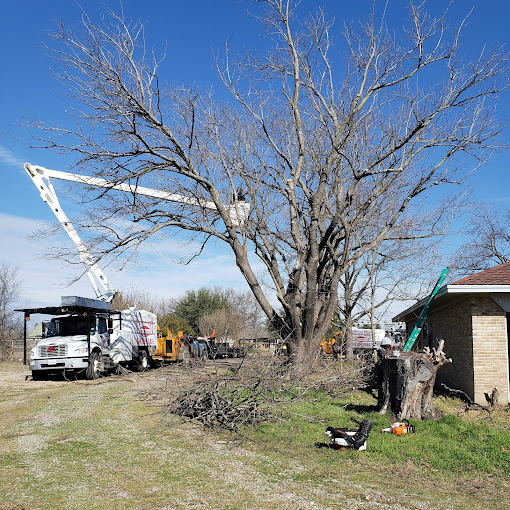
Emergency Tree Removal is not just “cut it down.” A professional assessment considers where the tree is most likely to shift, how the branches and trunk are loaded, and what the safest access route looks like for crew and equipment.
What crews usually evaluate: trunk cracks, lean angle, root plate disturbance, nearby structures, and whether the tree’s condition suggests underlying issues such as disease or pest activity. In many cases, the storm reveals a problem that was already developing.
| Situation you see | What it often means | Safer next step |
|---|---|---|
| Tree leaning toward a home or garage | Root system may be compromised and the tree can shift again. | Keep clear and contact an Emergency Tree Removal assessment. |
| Trunk split with exposed interior wood | Structural failure may progress as weight redistributes. | Do not attempt DIY cutting. Plan removal with professionals. |
| Branches tangled in power lines | High electrical risk and complicated removal sequencing. | Contact utility and wait for guidance. Keep everyone away. |
| Tree down across driveway or landscaping | It may be stable, but access and staging still affect safety. | Have a crew evaluate how to remove sections without causing secondary damage. |
| Stump left after removal | Future regrowth or trip hazards can remain if not addressed. | Consider stump grinding and removal. |
In the days after the tree is handled, you may notice additional concerns like bark damage, weak limbs, or signs of pests. If the storm-damaged tree also appears unhealthy, Parker Tree Service can help with follow-up care planning, including tree pruning and other tree health considerations.
Why This Matters in Dallas, TX
Dallas, TX weather can move quickly, and storm damage often combines strong wind with heavy debris. In residential neighborhoods and older commercial properties across the DFW suburbs, trees are frequently near driveways, overhead utility corridors, and mature landscaping that was established decades ago. When a tree fails, it can land where people walk every day, which is why perimeter safety and careful removal planning matter.
Local homeowner tip: If you are dealing with storm debris around fences, gates, or parking areas, treat access routes like part of the hazard. A “quick cleanup” that moves branches without a plan can change the loading on the trunk and create a new problem.
For many Dallas properties, the most practical approach is to handle removal first, then address what remains: the stump, compromised limbs, and soil conditions around the root zone. If you are thinking ahead about long-term tree health after removal, you may also want to explore deep root fertilization as part of a healthier landscape plan.
Need help with storm-damaged tree removal?
If you are in Dallas, TX and the tree is unstable, damaged, or blocking a safe path, Parker Tree Service can help you evaluate next steps and plan safer removal.
Contact Parker Tree ServiceCommon Mistakes to Avoid
Homeowners often try to solve the problem quickly, but storm damage creates risks that do not go away just because the trunk is partly down. These are the most common mistakes we see during Emergency Tree Removal situations.
- Assuming a “mostly down” tree is stable. Splits and root plate lift can allow sudden movement.
- Cutting branches above your head. Limb weight can shift as cuts are made, causing falls or unexpected swings.
- Ignoring power line proximity. Even if lines look intact, treat electrical hazards as an absolute no-go.
- Parking vehicles under stressed limbs. A branch can drop or roll during removal.
- Forgetting about what happens after removal. Leaving a stump or damaged roots can create new safety or maintenance problems.
If your tree also shows signs of ongoing decline, remember that storm failure sometimes reveals underlying issues. For example, you may notice weakened structure, bark problems, or pest activity that will need attention as part of ongoing tree health care and mitigation planning.
Customer Checklist
Use this quick checklist to make safer decisions while you wait for a professional. It is designed for homeowners who want to reduce risk without taking on cutting or climbing.
- Keep people and pets away from the tree and the fall zone, including areas that could be hit by rolling wood.
- Check for power lines and contact the utility if there is any contact, sparking, or close proximity.
- Identify what the tree is touching (roof, fence, driveway, vehicles) so the plan accounts for secondary damage.
- Document from a safe distance with a few photos and notes for your records.
- Avoid DIY cutting and do not climb the trunk or ladder near damaged limbs.
- Ask about next steps after removal, such as pruning for tree crown reduction, and stump grinding service if you want the stump removed.
Representative scenario (what this looks like on a property)
A Plano homeowner wakes up after a windstorm in the DFW suburbs to find a large oak leaning toward the driveway and a cracked trunk above the point where it meets the ground. The family keeps everyone inside and stays away from the area because branches are still shifting with the wind. From the sidewalk, they take a few photos, note that the trunk is split, and call for an Emergency Tree Removal assessment. After the tree is removed safely, they coordinate follow-up tree pruning for nearby limbs and stump grinding so the driveway stays usable and the yard remains safer.
Frequently Asked Questions
When should I treat storm tree damage as an emergency?
Treat it as an emergency when the tree is leaning, cracked, or partially down in a way that suggests it could move again. Also treat it seriously if it is blocking a driveway, touching a roof, pressing against a fence, or tangled near power lines. If you hear cracking, see shifting, or notice the trunk rocking, keep people and pets away and contact a professional for an Emergency Tree Removal plan. In Dallas, TX, wind and debris can increase instability even after the worst part of the storm passes.
Is it safe to cut branches off a fallen or leaning tree?
Usually, no. Storm-failed trees can redistribute weight as cuts are made, which can cause a trunk or large limbs to shift unexpectedly. Even if the tree looks “almost stable,” splits and root disturbance can keep changing the load. The safest approach is to keep clear and let trained professionals plan the removal sequence. If you need follow-up work like tree crown thinning or other Professional Tree Trimming, schedule it after the unstable situation is resolved.
What should I do if the tree is near power lines?
If you see branches touching lines, sparking, or hanging very close to electrical equipment, do not attempt removal yourself. Contact the utility for guidance and keep everyone away from the area. Power line involvement changes how removal must be handled and increases the risk of electrocution and fire. Once the electrical hazard is addressed, a professional tree removal team can assess the remaining structure and plan the safest way to clear the tree without causing secondary damage.
After the tree is removed, do I need stump grinding?
Often, yes, especially if you want to reduce trip hazards, improve yard usability, or prevent the stump from becoming a long-term maintenance issue. Stumps can also remain in the way of landscaping and mowing. If your goal is Affordable Stump Removal that restores the ground area, ask about Stump Grinding Service and Stump Removal options. If the tree is part of a broader landscape plan, stump removal can pair well with soil conditioning and other Tree Health Care steps.
Can emergency tree removal help with tree health later?
Emergency removal handles the immediate hazard, but it can also reveal what the tree needs next. After a storm, you may find that the tree’s condition contributed to the failure, such as weak limbs or signs of decline. A professional assessment can guide follow-up care, including pruning for Tree Crown Reduction or Tree Crown Thinning, and planning for Tree Disease Treatment or Tree Pest Control if visible symptoms suggest ongoing issues. If you want long-term resilience, Tree Mitigation and Tree Risk Assessment are useful follow-up conversations.
Contact Parker Tree Service for safer next steps
If your tree in Dallas, TX is unstable, damaged, or creating a hazard, call Parker Tree Service to discuss what you are seeing and how to proceed with Emergency Tree Removal safely.
(214) 394-2414
Parker Tree Service
Parker Tree Service provides Tree Services for Dallas, TX and the surrounding Plano and DFW suburbs, including Emergency Tree Removal and follow-up tree care like Professional Tree Trimming, stump grinding, and tree health planning. If you need help with storm damage, hazardous trees, or ongoing Tree Health Care, our team can help you evaluate safer next steps for your property.