
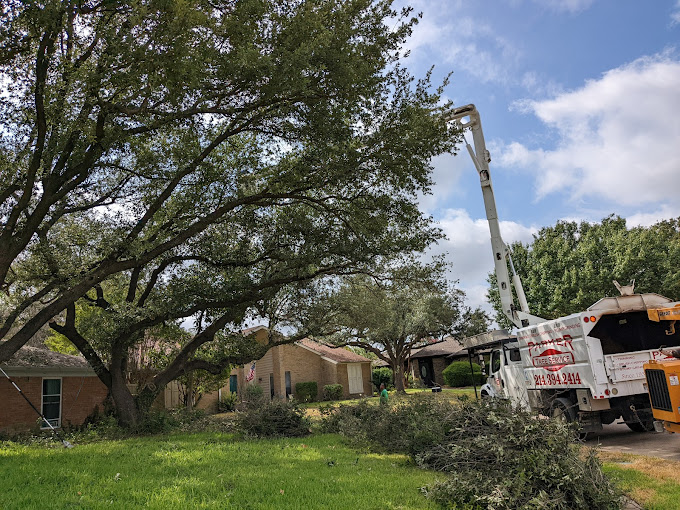
Tree Pruning Near Me: Healthy Growth and Safety
When a tree starts blocking walkways, dropping branches, or looking uneven, the real question is not just “Can it be trimmed?” It is whether pruning will improve tree health while reducing risk around your Dallas, TX property. This guide helps you recognize when professional tree pruning services near me are the right next step.
Last summer, you noticed your oak and crepe myrtles growing fast, then the canopy started to hang lower over the driveway. A few small limbs fell during a windy stretch, and now you are wondering if it is just “normal growth” or something that could turn into a hazard.
Pruning can help, but the wrong cut can stress a tree or encourage weak regrowth. This guide walks you through what to check first, what “good pruning” looks like, and how to plan tree pruning in Dallas, TX so your landscape looks better and stays safer.
- Quick answer
- What to check first
- Main things customers should understand
- Why this matters in Dallas, TX
- Common mistakes to avoid
- Customer checklist
- Frequently asked questions
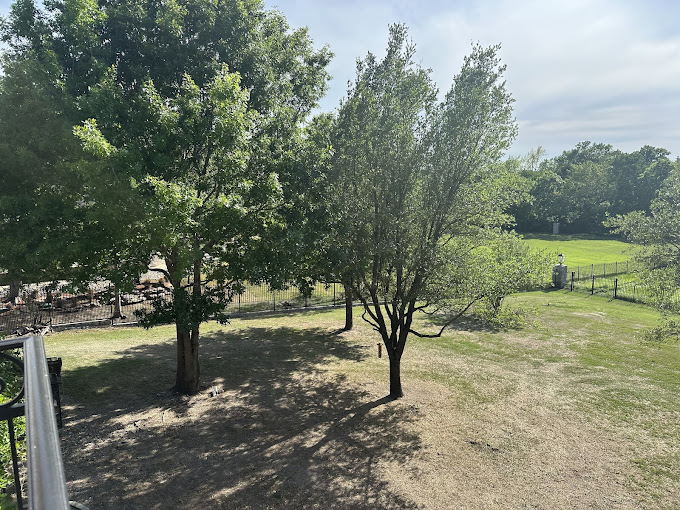
Quick Answer
Tree pruning should be timed and planned based on the tree’s structure and condition, not just the way it looks. If branches are rubbing buildings, hanging low over traffic, crossing each other, or showing deadwood, thinning and targeted cuts can improve airflow and reduce risk. In Dallas, TX, it is especially helpful to have a professional assess the canopy and any signs of tree disease treatment needs before cutting. If you are unsure, schedule a tree inspection first and then use tree pruning services near me to address the specific hazards and health concerns.
What to Check First
Start with a quick “risk and health” scan from the ground: look for dead branches, cracks near large limbs, limbs touching power lines or structures, and areas where the canopy is unusually dense. Then check the trunk and major branches for wounds, peeling bark, or obvious insect activity that may require tree pest control or tree insect treatment rather than pruning alone.
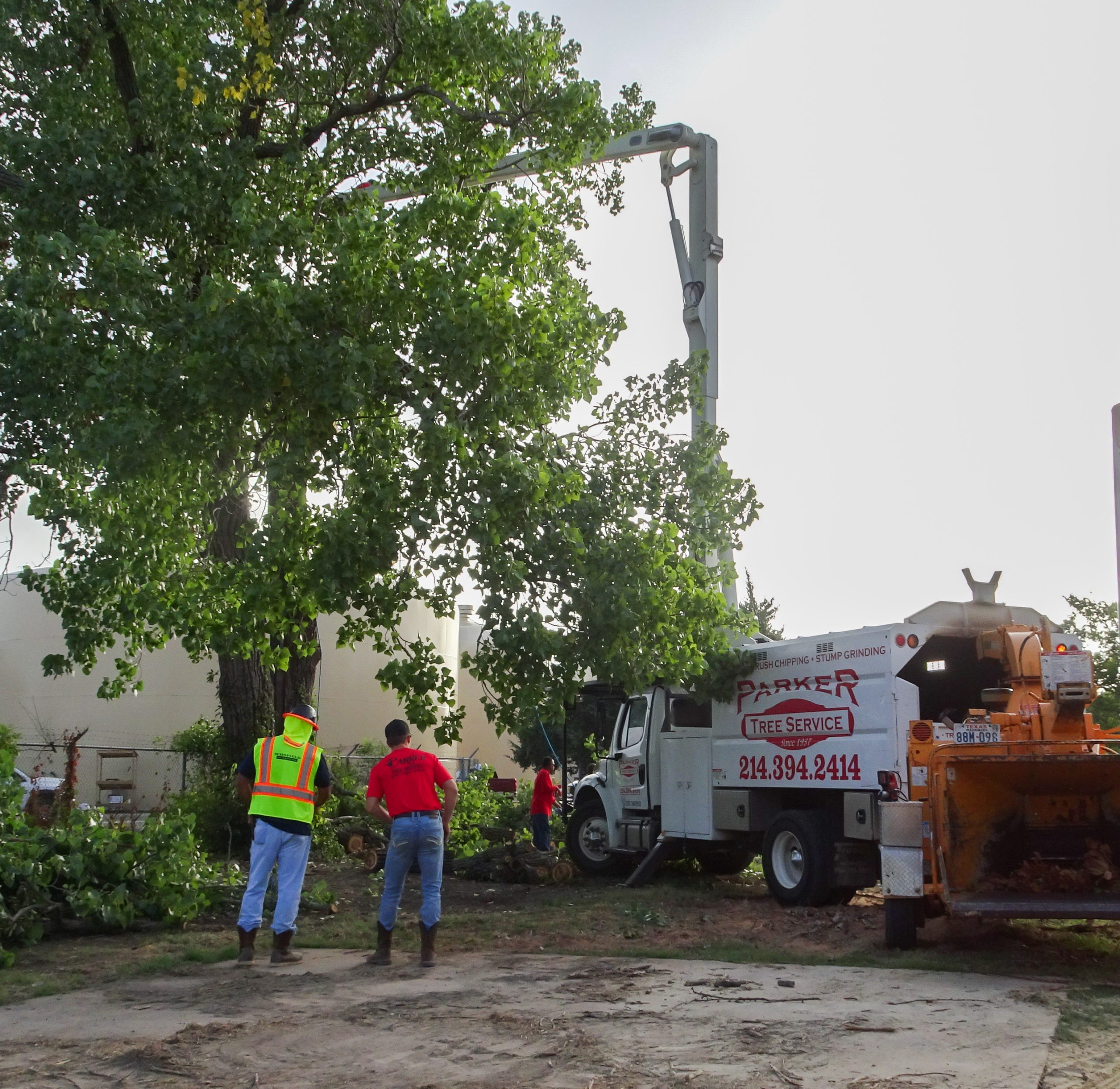
Safety signals
Deadwood, low-hanging branches, and branches that rub fences or roofs are often the clearest reasons to schedule pruning. If you see persistent drooping after storms, ask about tree risk assessment rather than trimming for appearance only.
Health signals
Unusual leaf loss, dieback in small sections, or bark damage can indicate underlying stress. That is where tree disease treatment and tree health care planning matter most.
Structure signals
Crossing branches, co-dominant stems, and weak branch angles can create future breakage points. Professional tree pruning focuses on structure, not just size reduction.
Main Things Customers Should Understand
Professional tree pruning is a combination of technique and intent. A good pruning plan removes what is necessary for safety and health, while preserving the tree’s natural form. In practice, that often means thinning the crown to improve airflow, reducing weight on heavy limbs, and shaping the tree so it grows stronger and more evenly over time.
Professional observation: In Dallas, TX properties, fast canopy growth and periodic storms can make branch structure the biggest predictor of future breakage. That is why a careful look at branch angles, deadwood, and rubbing points usually leads to better results than “cutting it back” broadly.
| What you notice | What it may mean | Common pruning approach |
|---|---|---|
| Dead or brittle twigs and branches | Potential decay, storm damage, or ongoing stress | Selective removal of deadwood and targeted cuts |
| Dense canopy with limited airflow | Higher risk of lingering moisture and weak regrowth patterns | Tree crown thinning and careful thinning cuts |
| Branches crossing or rubbing | Wounds that can become entry points for pests or disease | Tree crown reduction or shaping to separate contact points |
| Excess weight on one side | Imbalanced growth that can increase breakage risk | Targeted reduction and weight distribution planning |
If you suspect an issue beyond routine trimming, pruning may be part of a broader plan. For example, some trees need deep root fertilization or soil conditioning to support recovery, especially when growth looks uneven. If you are seeing signs consistent with wood borer treatment or webworms treatment concerns, the best first step is a tree survey so the approach matches the actual problem.
Where to start if you are dealing with roots or a lingering stump: if you are also planning to clear space for landscaping or safer access, you may need stump grinding service as a companion to pruning.
Why This Matters in Dallas, TX
Dallas, TX trees often grow quickly and then face heavy seasonal stress, including windy days that can loosen weak branches. Homeowners typically want a clean, natural look, but the real goal is safer structure. That is why professional pruning in the DFW suburbs (including Plano and surrounding areas) focuses on removing the right branches, at the right locations, so the tree can keep growing with fewer weak points.
One firsthand-style pattern we see is this: a tree that looks “fine” from the street can still be risky near driveways, walkways, or rooflines. Once branches are measured against the actual clearance needs of your property, the pruning plan becomes more specific, and the tree trimming results usually last longer visually and structurally.
Need tree pruning services near me in Dallas?
Tell Parker Tree Service what you are seeing and where the branches are causing concern. We can help you decide whether pruning, shaping, or another service is the best next step for your property.
Call Parker Tree ServiceCommon Mistakes to Avoid
Many homeowners start with “size control” and end up paying for follow-up work. The most common issues are topping a tree, making flush cuts that harm bark, or removing too many live branches at once. These decisions can create stressed regrowth, reduce the tree’s ability to seal wounds, and leave the canopy unbalanced.
Practical recommendation: If you are considering tree removal as an alternative, confirm whether pruning and tree maintenance services can address the underlying concern first. For example, storm-damaged sections might be handled through selective pruning or, when necessary, emergency tree removal if a limb is actively unsafe.
Customer Checklist
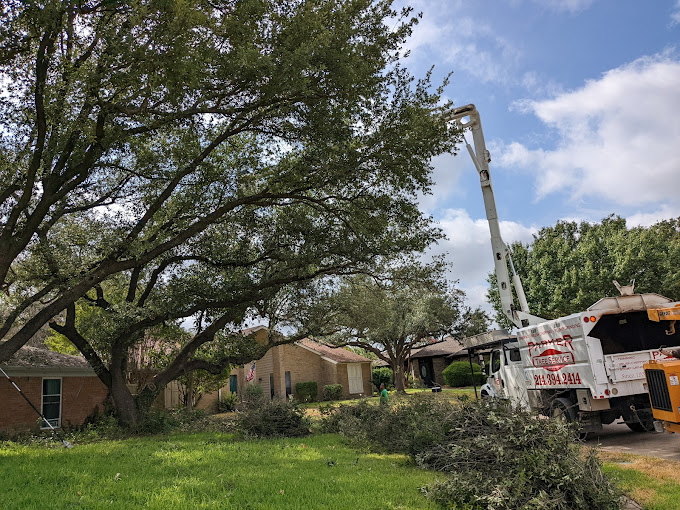
- Walk your property and note where branches hit or rub: roofs, fences, gutters, and walkways.
- Look for deadwood, cracks at limb unions, and areas where the canopy is unusually heavy.
- Check for signs of pests or stress before cutting, since tree pest control may be needed.
- Decide what outcome you want: safer clearance, improved shape, or healthier growth.
- Ask for a tree inspection and a clear plan for thinning, reduction, or selective removal.
- If a stump is also in the way, plan stump removal with stump grinding removal so the site is ready for landscaping.
Representative Scenario
A homeowner in Plano, TX noticed branches growing over the driveway and a patch of dieback after a windy week. Instead of trimming randomly, they requested a tree inspection and had the canopy thinned to improve airflow while removing dead sections at the correct locations. The result was a cleaner silhouette and safer clearance without overcutting the tree. The team also discussed whether deep root fertilization and soil conditioning could support healthier regrowth, since the tree’s growth had looked uneven prior to the storm.
Frequently Asked Questions
How do I know if I need tree pruning or tree removal?
If the tree has deadwood in a few sections, crossing branches, or clearance issues, pruning is often the right first step. Tree removal becomes more likely when the structure is compromised throughout the canopy, there is hazardous instability, or the tree cannot be safely managed. A tree survey or tree risk assessment helps match the solution to what is actually happening in the branches and trunk, rather than relying on appearance alone.
What is the difference between tree trimming and tree pruning?
Tree trimming often refers to general cutting to shape or reduce length, while tree pruning services near me typically describe a more intentional process focused on health and structure. Pruning is usually planned around thinning the crown, removing deadwood, and correcting weak or rubbing branch patterns. If you want healthier growth and safer clearance, ask whether the work will include selective pruning and structural shaping, not just size reduction.
Can pruning help with tree disease treatment or tree pest control?
Sometimes, but pruning is not a substitute for addressing the underlying cause. If you see signs consistent with tree insect treatment, wood borer treatment, webworms treatment, or other tree pest issues, pruning may be used to remove affected parts while other steps are coordinated. A proper tree inspection helps confirm what is driving the problem so the plan supports tree health care instead of simply changing the canopy.
When should I schedule pruning in Dallas, TX?
Scheduling depends on the tree species, its current condition, and what you are trying to accomplish. In Dallas, TX, homeowners often plan pruning after storm activity or when clearance becomes an issue. The best timing is usually determined during a tree inspection, especially if there are signs of stress, deadwood, or suspected pest activity. A targeted plan helps reduce the chance of unnecessary cuts and supports healthier regrowth.
What should I do if a branch is already hanging over my home after a storm?
If a limb is actively unsafe, the priority is safety and preventing further damage. That is when emergency tree removal and storm damage tree service planning becomes important. Avoid approaching the limb or trying to cut it yourself, especially if it is near structures. Contact a professional so the situation can be assessed and handled with the right workflow for hazardous tree removal and fallen tree removal.
Ready to improve tree health and safety?
If you are searching for tree pruning near me in Dallas, TX, Parker Tree Service can help you plan pruning, shaping, and related services based on what your trees actually need. For complex situations, we can also coordinate related work like tree pruning, trimming, and reduction.
(214) 394-2414
Parker Tree Service
Parker Tree Service provides tree services for homeowners and property managers across Dallas, TX and surrounding DFW suburbs, including Plano. From professional tree pruning and tree trimming to emergency tree removal and stump grinding removal, the focus is on safer structure, healthier growth, and practical solutions tailored to each property.
Explore our services: tree removal service, tree fertilization service, and