
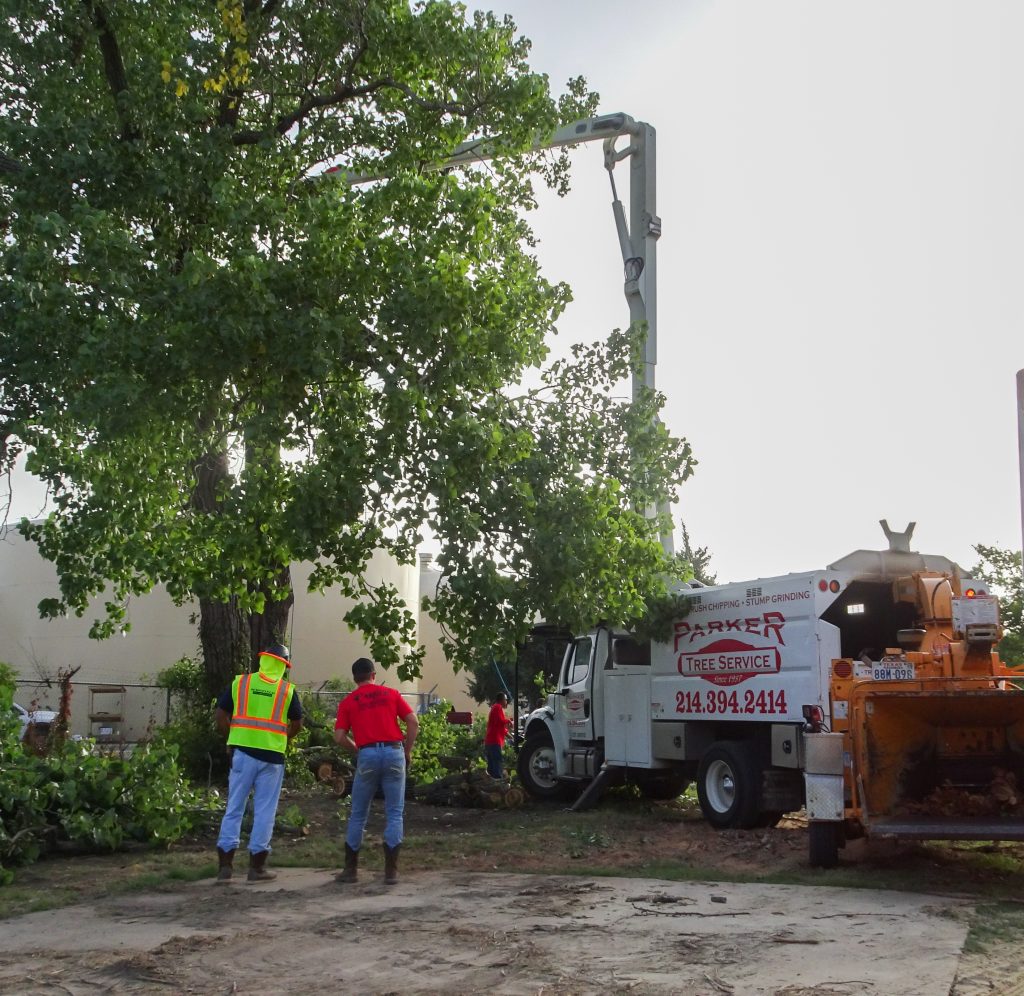
Tree Pruning Safety Tips to Prevent Property Damage
If you have trees near driveways, fences, roofs, or power lines in Dallas, TX, a “quick trim” can turn into broken branches, damaged siding, or a tree that looks worse after it’s cut. This guide breaks down what to check before any Tree Pruning Service, how to reduce risk during Tree Trimming, and when pruning should turn into Tree Removal Service or Storm Damage Tree Service.
A couple of weeks after a windy spell, you notice a few branches scraping the roofline and a mess of twigs piling up near your walkway. You want the tree to look better, but you also know that pruning mistakes can cause long-term damage, including disease entry points and weak regrowth. If the tree is close to structures, even a small cut can have big consequences.
This guide helps you understand the safety checks and decision points behind Tree Pruning Near Me. You’ll learn what to look for on your property, what questions to ask before work begins, and how to choose the right approach for tree health, risk reduction, and clean results around homes and businesses in Dallas and the surrounding DFW suburbs.
- Quick answer
- What to check first
- Main things customers should understand
- Why this matters in Dallas, TX
- Common mistakes to avoid
- Customer checklist
- Frequently asked questions
Quick Answer
Safe tree pruning starts with risk awareness: confirm the tree’s condition, identify hazards (especially near roofs, fences, and power lines), and choose cuts that support tree health rather than just “thinning for looks.” For most Dallas properties, the safest path is hiring a professional Tree Pruning Service that plans the work, protects the area, and uses proper techniques for Tree Crown Reduction, Tree Crown Thinning, or Tree Shaping when appropriate. If you see dead limbs, major cracks, or branches that could fall onto structures, consider Professional Tree Trimming followed by a Tree Risk Assessment, or plan for Tree Removal Service.
What to Check First
Before you schedule any Tree Pruning Services Near Me, walk your property like a safety inspector. Start with what’s underneath the canopy: driveways, patios, landscaping beds, fences, and any areas where falling limbs would land. Next, look up for deadwood, cracks, or limbs that are already rubbing or leaning. If you notice branches touching the roof, power lines, or exterior walls, that’s a sign you need a plan, not a quick trim.

Look for “fall risk” clues
Dead limbs, hollow sections, and branches with unusual angles often indicate higher breakage potential.
Check clearance around structures
Measure how close the canopy is to roofs, gutters, fences, and windows so pruning doesn’t create new contact points.
Identify tree health concerns
Discolored foliage, cankers, or repeated insect activity can mean Tree Disease Treatment or Tree Pest Control is needed alongside trimming.
One firsthand-style observation from the field: when homeowners call after a storm, the “damage” is often two problems at once, a tree that was already under stress plus debris that shifted during the wind. That’s why a proper Tree Inspection matters. It helps separate what should be pruned for maintenance from what should be mitigated to prevent future property damage in Dallas, TX.
Main Things Customers Should Understand
Tree pruning safety is about the sequence of work. A professional approach usually includes evaluating the tree’s structure, deciding on the right pruning type, and controlling the fall direction so branches do not strike buildings or landscaping. In practice, that means planning for rigging and staging when needed, and making cuts that do not remove too much at once.
Professional observation: The safest pruning is the kind that prevents “regrowth surprises.” If cuts are too aggressive or placed incorrectly, trees can respond with weak new shoots that are easier to break later, especially after another Texas wind event.
| Situation on your property | Safer direction to consider | Why it matters for property damage prevention |
|---|---|---|
| Branches are overhanging roofs or touching fences | Tree Pruning Service with clearance-focused pruning | Planned reductions and thinning can lower contact without forcing large, uncontrolled falls. |
| Deadwood or visibly compromised limbs | Tree Risk Assessment and targeted Dead Tree Removal | Removing high-risk limbs reduces the chance of sudden breakage onto structures. |
| Storm-damaged limbs or unstable break points | Storm Damage Tree Service or Emergency Tree Removal | After wind events, the tree’s “internal balance” can change, so the plan needs to match the new risk. |
| Large stump areas left behind | Stump Grinding Service or Stump Grinding removal | Grinding helps clear the site for landscaping and reduces tripping and pest harborage. |
| Tree shows repeated stress or root-related concerns | Deep Root Fertilization and Soil Conditioning plan | Supporting tree health can reduce the need for frequent heavy cuts over time. |
Why This Matters in Dallas, TX
In Dallas and the DFW suburbs like Plano, many properties have mature shade trees along driveways, near older homes with close setbacks, and in neighborhoods where yards are bordered by fences and retaining walls. That layout means a pruning error is more likely to land on property surfaces or break landscaping rather than falling into open space. A safety-first plan also matters during seasonal transitions, when trees may be more sensitive and homeowners want quick visual results.
Local tip: If your tree is near utility lines or your pruning would require working very close to the street side, prioritize an experienced approach. The goal is controlled reductions that protect people, structures, and the tree’s long-term health.
Need Tree Pruning That Protects Your Property?
For Dallas homeowners and property managers, the safest next step is a planned Tree Care Services approach. Parker Tree Service can help with Tree Surveys, pruning decisions, and the right next action if removal or mitigation is necessary.
Call Parker Tree ServiceCommon Mistakes to Avoid
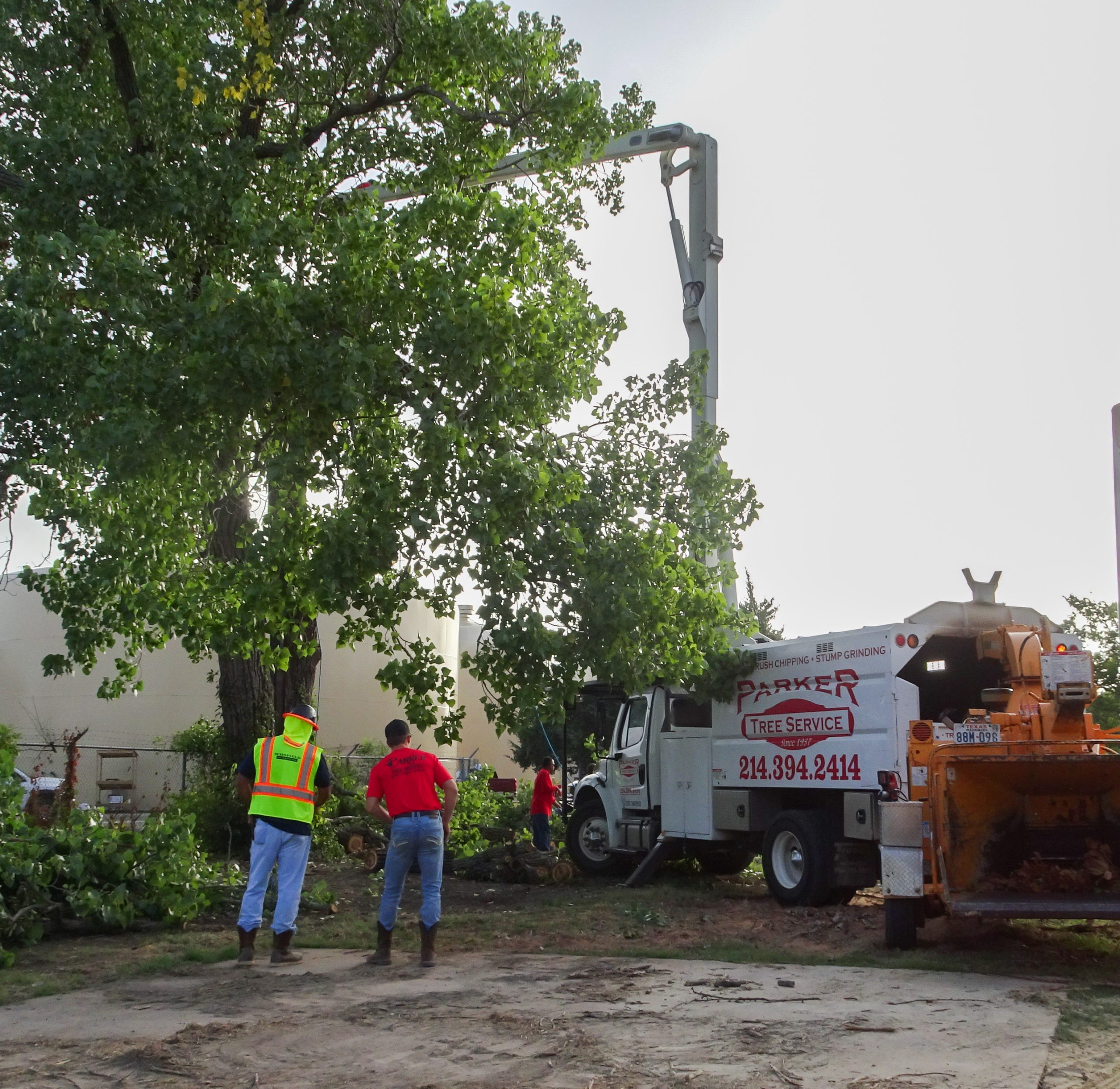
Most property damage during Tree Pruning comes from predictable mistakes. The first is cutting without a plan for where branches will go. Even small limbs can swing, break unexpectedly, or land on gutters, fences, and windows. Another common issue is “over-thinning,” where removing too much foliage at once weakens the tree’s structure and encourages fast, brittle regrowth that can create future breakage.
- Relying on guesswork: If the tree is close to structures, you need a controlled approach, not improvised cuts.
- Ignoring deadwood: Dead Tree Removal requires attention to where compromised limbs will fall.
- Pruning for appearance only: Tree Crown Reduction and Tree Crown Thinning should be balanced with tree health.
- Skipping a hazard check: If you suspect wood borers or tree insect treatment is needed, pruning alone won’t fix the underlying risk.
- Leaving stumps behind: For homeowners who want the area cleared, consider Affordable Stump Removal via Stump Grinding.
- Waiting after storm damage: If limbs are unstable, plan Emergency Tree Removal Service rather than hoping it settles.
Customer Checklist
Use this quick checklist before scheduling any Tree Pruning Service. It helps you confirm the scope, reduce surprises, and ensure the work is designed to protect your property in Dallas, TX.
- Confirm the goal: Maintenance trimming, Tree Crown Thinning, Tree Crown Reduction, or risk mitigation.
- Map the hazards: Identify where branches could land on roofs, fences, walkways, and parked vehicles.
- Look for warning signs: Dead limbs, cracks, leaning branches, or repeated insect activity.
- Ask about the approach: How the plan controls branch movement and protects structures.
- Plan for next steps: If pruning reveals disease or pests, ask about Tree Disease Treatment or Tree Insect Treatment options.
- Consider the site cleanup: If you need the area cleared, ask whether Lot Clearing or Brush Clearing is part of the plan.
Representative Scenario
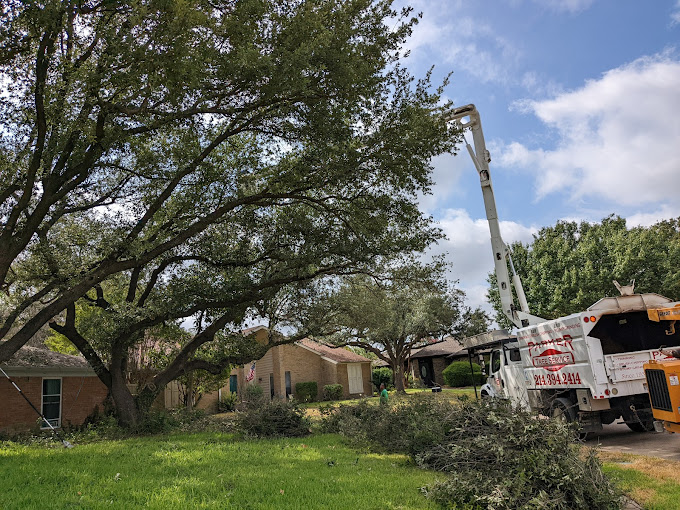
Imagine a homeowner in Dallas with a large live oak near the driveway. After a windy afternoon, a few smaller branches started scraping the garage roof, and the canopy looked uneven. Instead of trimming randomly, they schedule a Tree Pruning Service focused on clearance and structure. The professional assesses the canopy, removes only what needs removal for safety, and adjusts the shape so the branches do not return to the same contact points. If a compromised section is found, they shift from routine pruning to a mitigation plan that prevents future property damage.
Frequently Asked Questions
How do I know if I need Tree Pruning or Tree Removal Service?
If you’re seeing deadwood, major cracks, or branches that already fail during wind, removal may be the safer option than continued pruning. For living trees, many homeowners can start with Tree Pruning Service that focuses on clearance and targeted reductions. A practical way to decide is to ask for a Tree Risk Assessment or Tree Inspection that explains what is safe to trim, what should be removed, and what should be monitored. If pruning can’t reduce the hazard without creating new risks, a professional may recommend Tree Removal Service instead.
Is Emergency Tree Removal different from regular pruning?
Yes. Emergency Tree Removal is typically about stabilizing risk after a storm or sudden failure. Regular Tree Trimming is usually planned around seasonal timing, structure, and aesthetics. After wind damage, the tree’s balance can change, and branches may be more likely to break while being handled. A professional approach considers where unstable parts could fall and how to manage the area safely. If you’re dealing with a fallen tree limb, hazardous overhang, or new instability in Dallas, it’s better to request Emergency Tree Removal or Storm Damage Tree Service rather than waiting.
Can pruning help with tree pests like wood borers and webworms?
Pruning can remove certain problem limbs, but it usually isn’t the full solution for active infestations. If you suspect pests such as wood borers, webworms, or other tree insects, you’ll want a plan that includes Tree Pest Control or specific Tree Insect Treatment. In many cases, professionals may combine targeted removal with inspection and treatment recommendations so the underlying issue is addressed. If you’re seeing recurring damage patterns, ask about Wood Borer Treatment, Tree Borer Control, or Tree Insect Treatment alongside any pruning work.
Should I prune in Dallas at a specific time of year?
Timing depends on the tree species, its condition, and what you want to accomplish (maintenance, thinning, or risk reduction). In Dallas, homeowners often want fast results, but safety and tree health should drive the schedule. The safest plan is one that’s based on Tree Surveys and Tree Health Care, not just convenience. If the tree is already stressed by cracks, deadwood, or active pest activity, the priority is addressing hazards first and then planning any longer-term health support, such as Deep Root Fertilization or Soil Conditioning, when appropriate.
What should I do with a stump after pruning or removal?
After Tree Removal, stumps can become tripping hazards, attract pests, and interfere with landscaping. Many homeowners choose Stump Grinding Service to clear the area and reduce regrowth. If you’re deciding between leaving it or removing it, think about how you use the yard and whether you plan to replant, build, or expand landscaping. For a practical next step, ask about Stump Grinding removal and whether the work also supports broader site needs like Lot Clearing or Brush Clearing.
Ready for Safer Tree Pruning in Dallas?
If your tree is near a roof, fence, walkway, or driveway, a planned Tree Pruning Service is the difference between a tidy outcome and avoidable property damage. Parker Tree Service supports residential and commercial properties across Dallas and the DFW suburbs with pruning decisions, risk-focused work, and the next steps when removal or cleanup is needed.
(214) 394-2414
About Parker Tree Service
Parker Tree Service provides Tree Service for Dallas, TX and nearby areas including Plano and the DFW suburbs. Their team focuses on customer-focused Tree Care Services such as Tree Pruning, Tree Trimming, Tree Removal Service, Emergency Tree Removal, Stump Grinding Service, and related maintenance like Deep Root Fertilization. If you need help deciding between pruning, mitigation, or cleanup, the best starting point is a Tree Inspection and clear next steps.
Explore related services: tree removal, pruning and trimming, emergency tree removal, and stump grinding.