

How Much Tree Service Costs and What Impacts
If you are seeing damaged limbs, dead branches, or roots encroaching on a driveway, the next question is usually cost. This guide explains the main factors that affect pricing for tree pruning, tree removal service, stump grinding, and tree health care in Dallas, TX, so you can ask better questions and plan with confidence.
Last spring, the wind in Dallas, TX pushed a couple of branches into your fence line. This year, the concern is bigger: you can see more deadwood in the canopy, and one side of the tree looks thinner than the other. You are not sure whether it is a pruning issue, a risk issue, or something related to pests or disease.
Tree service pricing can feel confusing because two “similar” trees may require very different approaches. This guide breaks down what typically impacts cost, what to check first, and how to prepare for a practical onsite assessment. You will also find common mistakes to avoid and a checklist you can use before you call.
- Quick answer
- What to check first
- Main considerations
- Local factors in Dallas, TX
- Common mistakes to avoid
- Customer checklist
- Frequently asked questions
Quick Answer
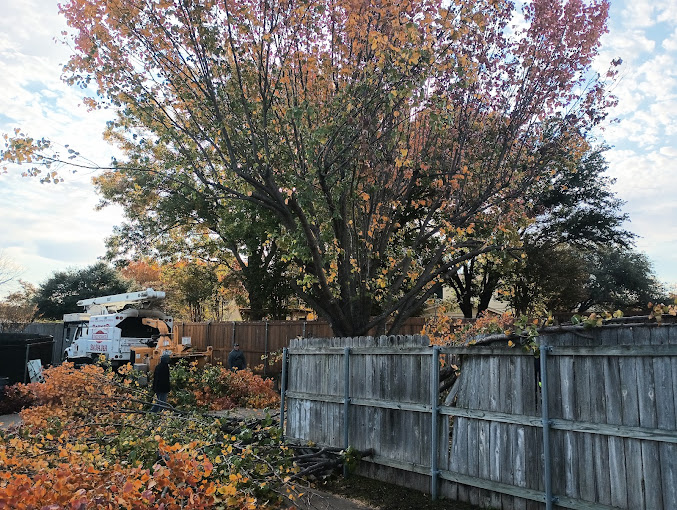
Tree service costs vary most based on tree size and condition, access to the work area, and what the job actually includes (for example, pruning versus full tree removal service, plus cleanup and stump grinding). In most Dallas, TX situations, the safest and most accurate way to understand pricing is an onsite tree risk assessment and scope review. If you have visible deadwood, storm damage tree service needs, or signs of tree disease treatment, start by documenting what you see and asking for a clear work plan. Then decide whether your goal is tree pruning service, mitigation, or removal.
What to Check First
Before you request a quote, take a few minutes to describe the tree condition accurately. Start with what changed: new dead branches, cracking limbs, leaning growth, reduced leaf density, or slow decline over the season. Next, check for obvious hazards near the tree such as power lines, fences, roofs, sheds, sidewalks, or retaining walls. These details can change the plan and the amount of time and equipment needed.
Document the problem
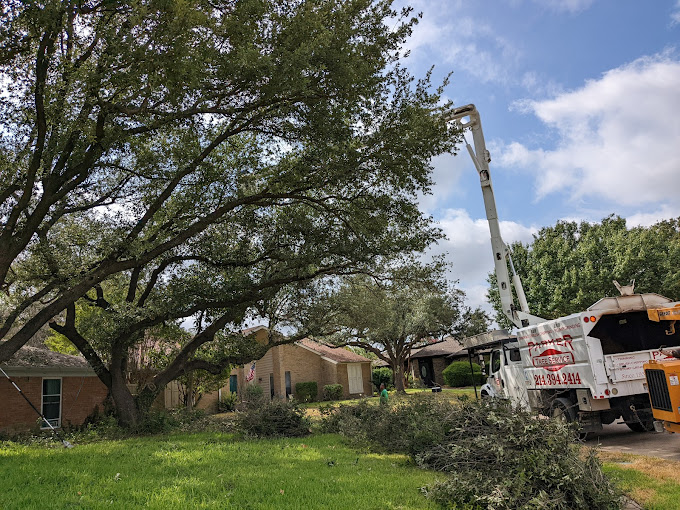
Note where deadwood is located, whether limbs are touching structures, and whether the trunk shows cracks, cavities, or unusual bark damage.
Match the service to the goal
Light trimming, tree crown reduction, or tree crown thinning is different from dead tree removal or hazardous tree removal.
Think about what “after” looks like
If you are removing a tree or large limbs, confirm whether stump removal and cleanup are part of the scope you need.
Main Things Customers Should Understand
Pricing is often a reflection of how complex the job becomes on site, not just the tree’s appearance. Here are the biggest cost drivers you can expect to discuss with a professional in Dallas, TX, whether you are looking for tree pruning near me or a full tree removal near me plan.
Professional observation: The “same size” tree can require very different work depending on stability, the presence of deadwood, and how close the branches are to structures. A careful tree inspection usually prevents under-scoping and surprises later.
| Factor | How it affects cost | What you can ask |
|---|---|---|
| Tree size and height | More material and higher climbing or rigging effort increases labor time and equipment needs. | “Will this be handled as tree trimming or does it require tree removal service?” |
| Condition (deadwood, decay, leaning) | Hazardous conditions can require a more controlled removal method and additional safety steps. | “Do you recommend tree risk assessment first?” |
| Accessibility | Limited access to the yard, tight gates, slopes, or surface damage concerns can slow production. | “What is the safest approach for this site layout?” |
| Proximity to structures | Branches near roofs, fences, or driveways often change the plan and can require extra rigging. | “Would tree crown reduction be enough, or is dead tree removal needed?” |
| Scope items | Pruning only is different from pruning plus cleanup, hauling, or stump grinding service. | “Is stump grinding/removal included if you remove the tree?” |
| Tree health issues | Pest or disease symptoms can shift the work from trimming to tree disease treatment, wood borer treatment, or tree insect treatment planning. | “Can you help with tree health care recommendations for tree pest control?” |
Good fit for many homeowners: If your goal is to keep the tree and improve structure, pruning and tree maintenance services often come down to the selected pruning style and the amount of deadwood to remove. If the tree is unstable or beyond safe maintenance, dead tree removal or hazardous tree removal tends to be the more practical path.
Why This Matters in Dallas, TX
In Dallas, TX and the DFW suburbs, homeowners often deal with a mix of mature landscape trees and older properties with established yard boundaries. After storms, you may notice fallen tree removal needs, broken limbs, or branches that now sit at odd angles where they can rub fences or threaten structures. That is where storm damage tree service planning matters, because the “cleanup” can be as involved as the removal itself when limbs are partially compromised.
If you are dealing with signs of stress such as thinning, unusual bark damage, or activity that could point to wood borers or tree insect treatment, the scope can also extend beyond pruning. In those cases, tree fertilization service and soil conditioning may be considered as part of a broader tree health care plan, including deep root fertilization and deep-root fertilization support when appropriate.
Common Mistakes to Avoid
It is easy to underestimate how much the final cost depends on what you ask for and what you leave out. These are common missteps we see when homeowners plan a tree project in Dallas, TX.

- Choosing “tree trimming” when you actually need tree removal service. If the tree has hazardous conditions, trimming alone may not address risk.
- Assuming cleanup is automatic. Ask whether haul-away, limb sorting, and yard cleanup are included in the scope.
- Forgetting the stump plan. If you want stump removal or stump grinding, confirm whether it is part of the job or a separate step.
- Waiting after storm damage. Damaged limbs can become more unstable over time, especially when cracks and compromised join points are involved.
- Trying to self-manage hazardous limbs. Improper handling can increase the chance of damage to structures and create safety risks.
Customer Checklist
Use this quick checklist to prepare for a professional conversation about tree pruning near me, tree removal near me, or stump grinding near me. Having these answers ready can help ensure the scope matches your actual goal.
Recommendation: If you are unsure whether you need tree pruning services near me or a full removal, start with a tree inspection and tree risk assessment discussion. That typically leads to clearer next steps and a more accurate work plan.
- Write down what you are seeing: deadwood, leaning, cracks, thinning, or pests.
- Measure or estimate the tree height and trunk diameter if you can.
- List nearby constraints: fence line, driveway, roof edges, garden beds, and any utility lines.
- Decide your goal: tree pruning service for structure, tree disease treatment support, or tree removal service.
- Confirm “aftercare” needs: stump grinding service, soil conditioning, and any lot clearing or brush clearing.
- Ask how the crew will handle debris and whether cleanup is included.
Representative scenario (anonymized)
A homeowner in Dallas, TX notices a walnut tree with increasing dead branches near the backyard fence after a windy week. The tree also shows uneven canopy density, and one side appears to be declining. The team performs a tree inspection, identifies sections that are not safe to leave, and recommends a plan that balances controlled pruning with removal of hazardous limbs. Afterward, stump grinding and cleanup help the homeowner restore safe yard use.
Helpful service paths
Depending on what is happening, you may need more than trimming. If you are dealing with stump or root concerns, review stump grinding and removal. If storm damage has created immediate hazards, see emergency tree removal services.
Tree health considerations
If symptoms suggest decline beyond simple pruning, ask about deep root fertilization and soil conditioning support as part of tree health care. For structured pruning plans, pruning, trimming, and reduction can help improve tree form while removing unsafe growth.
Get clarity on your tree project in Dallas, TX
When cost is unclear, the scope usually is too. Parker Tree Service can help you map out what your tree needs, whether that is tree pruning near me, storm damage tree service planning, or a complete tree removal service approach.
Contact Parker Tree ServiceFrequently Asked Questions
What impacts the price of tree pruning the most?
The biggest pricing drivers for tree pruning are the amount of deadwood to remove, how much structure correction is needed (for example, tree crown thinning or tree crown reduction), and how difficult the work is based on access and proximity to structures. If a tree has hazardous conditions, the plan can shift from routine trimming to more controlled work. In Dallas, TX, wind exposure and storm history also matter because they can create compromised limbs that require a safer approach. A tree inspection helps match the pruning style to the actual condition.
When does a job move from pruning to a tree removal service?
Pruning is often suitable when the goal is to improve structure and remove dead or overgrown branches while keeping the tree stable. A job may move toward tree removal service when there are hazardous conditions, significant instability, or dead areas that cannot be safely managed through trimming alone. If the tree has major decline, leaning concerns, or compromised join points near structures, removal can become the safer option. The decision is typically clearer after a tree risk assessment and onsite review of where failure risk is greatest.
Do I need stump grinding or stump removal after tree removal?
It depends on your yard goals. If you want to replant, improve mowing clearance, or reduce tripping hazards, stump grinding service is often a practical next step. Affordable stump removal may also be important if the stump is in a high-traffic area or interfering with landscaping. During planning, confirm whether stump grinding/removal is included with the main tree removal service scope or handled as a separate step. If roots are a concern, ask about options that support tree root care and soil conditioning.
How does storm damage change the cost?
Storm damage can increase complexity because limbs may be partially broken, hanging, or under tension. That can affect how the crew safely removes fallen tree removal hazards and how much controlled work is required. Even if branches look “mostly intact,” the internal condition can be different after wind or impact. If you are dealing with emergency situations or immediate hazards, it is best to address them promptly so the plan can be made based on what is actually unstable, not just what is visible.
Can tree pests or disease treatment affect the scope and price?
Yes. If symptoms suggest tree disease treatment or tree insect treatment, the project may go beyond trimming. For example, concerns related to wood borer treatment, wood borers treatment, or webworms treatment can shift the plan toward tree pest control and tree health care steps. In some cases, tree fertilization service and soil conditioning may also be discussed as part of overall recovery support. A tree inspection helps identify whether the most practical step is pruning, mitigation, or a broader health approach.
Ready for a clear plan for your Dallas, TX property?
If you are comparing options for tree pruning, tree removal service, or stump grinding service, call Parker Tree Service and share what you are seeing. A proper onsite tree inspection helps match the scope to your goal and your property constraints.
Call (214) 394-2414
About Parker Tree Service
Parker Tree Service provides tree care services for residential and commercial properties across Dallas, TX and the DFW suburbs. From professional tree trimming and pruning to tree removal service, emergency tree removal services, stump grinding and removal, and deep root fertilization, the focus is on practical, safety-minded planning. If you need tree health care support, tree mitigation, or help understanding tree risk assessment priorities, Parker Tree Service can help you choose the right next step for your property.