
When to Schedule Tree Removal for Prevention
Preventive tree removal is about timing and risk management. If you wait until a tree is already failing, you can end up dealing with larger hazards, extra cleanup, and more complicated work. This guide helps homeowners and property managers in Dallas, TX understand the signs that point to removal before problems escalate.
A tree near your driveway can look “fine” for years, then one storm, a slow decline in leaf quality, or new insect activity makes the situation feel urgent. In Dallas, TX, where weather swings and summer heat can stress trees, many property owners only start thinking about removal after they notice leaning branches, cracking limbs, or roots lifting sidewalks.
You do not have to wait for a crisis. This guide explains how to decide when to schedule removal for prevention, what to check first, and how to think about timing alongside pruning, stump grinding, and disease or pest concerns. You will also see a local, real-world example and a simple checklist you can use during your next property walk.
- Quick answer
- What to check first
- Main things customers should understand
- Why this matters in Dallas, TX
- Common mistakes to avoid
- Customer checklist
- Frequently asked questions
Quick Answer
If a tree shows clear risk signals like major leaning, large dead limbs, repeated storm breakage, or evidence of severe disease or wood-borer activity, schedule a professional evaluation sooner rather than later. For prevention, the best time is often after you notice the first warning signs, before the tree weakens further or causes damage to structures and landscaping. As a practical next step, start with a basic inspection, then book a tree risk assessment so you can confirm whether removal is truly needed or if pruning and mitigation can reduce hazard. If the tree is already unstable, prioritize emergency planning and immediate action.
What to Check First
Before you commit to removal, gather the clues that point to whether the tree is declining or actively hazardous. Start at eye level, then work your way outward: look for dead or hanging branches, cracks in the trunk, unusual gaps in the canopy, and areas where bark looks loose or damaged. Next, check the ground: are roots heaving, soil pulling away from the base, or are there signs of soil erosion near a fence line or foundation?
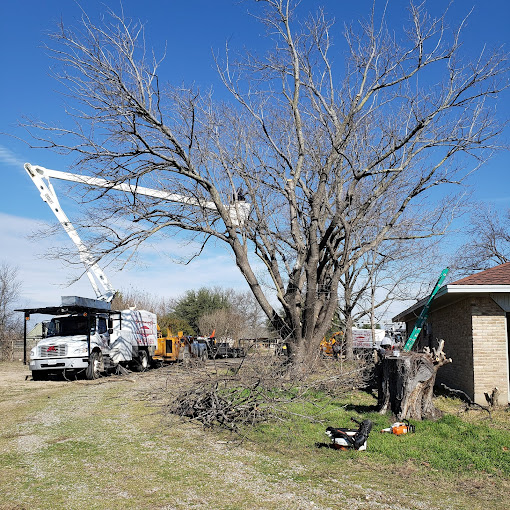
Then, consider proximity. Trees over driveways, roofs, power lines, sheds, and retaining walls tend to demand earlier action because there is less margin for error. For customers who need to address hazards quickly after storm activity, you can review emergency tree removal services to understand how Parker Tree Service approaches urgent situations.
Main Things Customers Should Understand
Preventive scheduling is not only about “when” on the calendar. It is about the tree’s condition, the rate of change, and what the tree could realistically do if it fails. In Dallas, TX, summer heat and seasonal storms can accelerate stress, so the earlier you address worsening conditions, the more options you usually have to reduce risk.
Professional observation: Trees often do not fail suddenly. When you see multiple risk indicators together, it usually means the tree’s structural integrity is already compromised and deserves an evaluation.
1) Structural warning signs that often justify earlier removal
Removal is more likely when you see major leaning, persistent trunk cracking, large deadwood in the canopy, or repeated limb failures even during moderate weather. If a tree has already dropped heavy branches, it is a sign the tree may not recover its strength in a way that reduces future hazard.
2) Disease and pest activity that can weaken the wood
Some problems quietly undermine a tree’s internal structure. Wood-borer activity, increasing dieback, and visible stress patterns can be a signal that the tree’s health is declining. When you suspect insect or disease-related weakening, schedule evaluation rather than relying on pruning alone.
For trees where deep root and soil conditioning are part of the health plan, you can also explore deep root fertilization as part of tree health care. That said, if the tree is already structurally unsafe, prevention may still mean removal.
3) Timing around storm seasons and property risk
Even if you cannot predict a storm, you can plan around risk. In Dallas, TX, many property owners find it practical to schedule evaluations ahead of the storm-heavy periods and then follow up with work before the next big weather event. The goal is to reduce the chance that a weakened tree becomes a fallen tree or creates damage you have to remediate later.
4) Removal includes what happens after the cut
Preventive planning should include what you will do with the stump and surrounding ground. Many homeowners want the area cleared for mowing, landscaping, or new planting. If stump removal is part of your prevention plan, consider pairing the decision with a stump grinding service so the site is usable and safer.
| What you notice | Prevention-minded next step | Why timing matters |
|---|---|---|
| Large dead limbs or repeated branch drop | Schedule a risk-focused inspection and discuss removal if the structure is compromised | Deadwood can fall with less warning, especially after wind events |
| Cracks, significant leaning, or trunk damage | Request evaluation quickly and plan removal if integrity is failing | Damage can progress, increasing the chance of a larger failure |
| Visible signs of wood-borer activity or progressive dieback | Have the tree assessed for tree disease treatment or mitigation options | Weakening from internal damage can reduce stability over time |
| Overgrowth near structures that is mostly healthy | Consider professional pruning and crown management instead of removal | Targeted pruning can reduce contact and hazard without removing the tree |
| Stump left behind with future landscaping plans | Plan stump grinding after removal | Roots and remnants can complicate mowing, planting, and site safety |
Why This Matters in Dallas, TX
Dallas, TX properties often include mature shade trees, established landscaping, and older yard layouts where trees are closer to homes, driveways, and utilities. That layout makes the consequences of delayed action more noticeable. In the heat and through seasonal storms, stressed trees can experience faster decline, and small problems can become larger hazards.
Parker Tree Service helps customers in Dallas and the DFW suburbs make prevention-minded decisions by matching the right work to the tree’s condition. Sometimes that means pruning and crown reduction to improve clearance and structure. If the tree is failing or shows evidence of serious weakening, prevention may mean scheduling removal sooner, followed by stump grinding and site cleanup.
Need help deciding if preventive removal is the right move?
Call Parker Tree Service in Dallas, TX to schedule an evaluation and map out next steps based on what your tree is doing right now.
(214) 394-2414Common Mistakes to Avoid
When it comes to tree removal for prevention, people often make choices that look reasonable at first but create avoidable risk later. These are the most common missteps we see from homeowners and property managers in Dallas, TX.
- Waiting for the “worst branch” to fall. If you already see deadwood, cracking, or major leaning, waiting for a full failure can make the job more dangerous and more disruptive.
- Assuming pruning alone fixes structural problems. Crown trimming can reduce weight and clearance, but it cannot rebuild internal strength if the trunk or major limbs are failing.
- Ignoring patterns that repeat after storms. If branches break during weather events more than once, the tree’s risk is not going away on its own.
- Forgetting the stump and root impacts. Leaving a stump can complicate mowing, landscaping, and future planting. It can also become a tripping hazard as the site changes.
Customer Checklist
Use this checklist during your next property walk. It is designed to help you decide whether to schedule an evaluation now, and what details to share so the right work can be planned.
- Identify the tree location relative to your home, driveway, fence lines, and any overhead utilities.
- Look for dead, hanging, or broken branches in the canopy.
- Check for visible cracks, bark damage, or areas where the trunk looks separated or unstable.
- Notice whether the tree is leaning more than it used to or appears to shift during wind.
- Inspect the base for root heaving, soil lifting, or gaps that suggest movement.
- Watch for progressive dieback, unusual thinning, or repeated stress signs.
- Document timing: when symptoms started and whether they are getting worse.
- Confirm your next steps: pruning for clearance, or removal plus stump grinding if needed.
Representative scenario: Dallas homeowner planning prevention
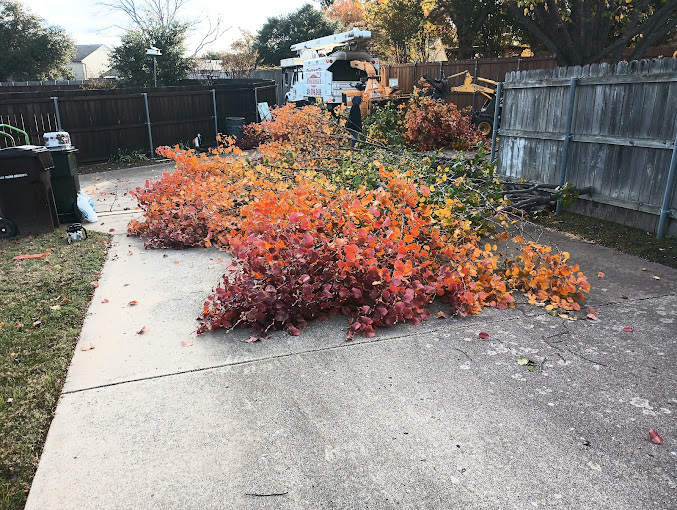
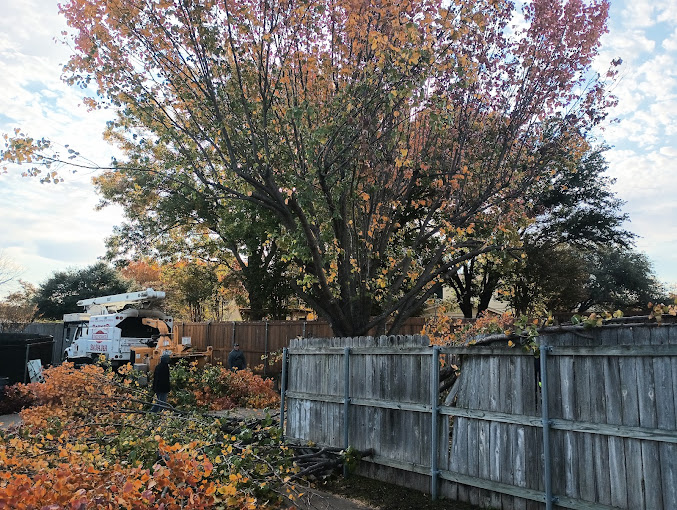
A homeowner in Dallas, TX notices their large backyard tree has started dropping smaller branches after windy days. Over the next few weeks, they also see a few larger limbs with no leaves and a slight lean toward the property line. Instead of waiting for a heavy limb to come down, they schedule an evaluation focused on risk. After reviewing the tree’s condition, the plan includes removing the hazardous tree sections and addressing the remaining site area for safety. The homeowner then coordinates the next steps for stump management so the yard can be maintained without obstacles.
Frequently Asked Questions
How do I tell if I should schedule tree removal for prevention or just pruning?
Pruning is usually the right choice when the tree is generally healthy but needs clearance, crown shaping, or reduction to reduce contact with structures. Preventive removal is more likely when you see structural red flags such as significant leaning, cracks in the trunk, repeated limb failures, or large areas of deadwood. A professional inspection helps confirm whether pruning can address the hazard or whether internal weakening requires removal to reduce risk.
Is there a “best month” to remove a tree in Dallas, TX?
There is no single perfect month that fits every situation because removal timing depends on the tree’s condition and how quickly risk is increasing. In Dallas, TX, many property owners plan evaluations ahead of storm-heavy periods and schedule work based on what the tree is doing now. If you notice warning signs like progressive dieback or leaning, waiting for a specific calendar window can delay prevention when the tree needs attention sooner.
What if the tree seems sick but not visibly broken?
“Sick” can still mean weakening that is not obvious from a quick look. Progressive thinning, dieback, bark damage, and signs of insect activity can point to internal stress. In those cases, scheduling an evaluation helps determine whether mitigation like tree disease treatment and pest-related work can improve the situation, or whether the tree is too compromised for prevention. The goal is to avoid waiting until failure becomes visible.
Should I remove the stump immediately after tree removal?
Often, stump management is planned as part of the overall prevention plan, but the right sequence depends on the site. Many homeowners coordinate removal with stump grinding service so the yard is easier to maintain and safer for foot traffic and landscaping. If you are clearing space for new planting or updates to hardscaping, having stump work included in the plan can prevent delays later.
When should I contact emergency tree removal instead of scheduling prevention?
If a tree is actively failing, has fallen, or is creating an immediate hazard to people, structures, or access, it is time to focus on urgent action rather than scheduling prevention. After storm events, you may also see new hazards that did not exist the day before. For situations that require immediate attention, review emergency tree removal services so you can plan for safe handling of fallen or unstable trees.
Prevent problems before they become damage
If your tree in Dallas, TX is showing warning signs, schedule an evaluation with Parker Tree Service. We will help you choose the right path for prevention, whether that is risk-focused removal planning or professional tree trimming services.
Schedule tree removal planning
Parker Tree Service
Parker Tree Service provides tree services for customers in Dallas, TX and the DFW suburbs. From prevention-focused decisions to storm-related hazards, the team helps property owners understand risk, plan the right work, and manage what happens after removal, including stump grinding. If you are weighing tree removal, tree pruning, or related tree health care, Parker Tree Service can help you take action based on what your property is showing right now.