

Affordable Tree Service Near Me for Storm Cleanup
After a storm hits Dallas, TX, fallen limbs and damaged trees can turn into a safety and property problem fast. This guide helps you decide what to handle first, what to document, and what to ask about so your cleanup is organized, safe, and focused on long-term tree health.
After the wind and rain, you might find a big branch across the driveway, a tree leaning toward the fence, or limbs that look “mostly fine” but are clearly cracked. In Dallas, TX, that kind of storm damage can create a real risk for the next rain or high-wind day, and it can also complicate mowing, landscaping, and access to your home.
You also want the work to be practical. Nobody wants to pay twice because the first step didn’t address the root cause, like unstable wood, damaged structure, or a stump that keeps interfering with yard use.
This guide walks you through quick decisions, what to check first, and how professional storm cleanup typically connects to tree pruning, emergency tree removal, stump grinding, and tree health care.
- Quick answer
- What to check first
- Main things customers should understand
- Why this matters in Dallas, TX
- Common mistakes to avoid
- Customer checklist
- Frequently asked questions

Quick Answer
If a tree or limb is leaning, cracked, or blocking a path, prioritize safety and access before you plan “yard cleanup.” Start by keeping people and pets away from the area, documenting visible damage, and identifying anything near power lines. Then schedule a tree service that can handle emergency tree removal and storm damage tree service properly, followed by pruning or removal as needed. For long-term usability, add stump grinding so you are not dealing with roots and regrowth later. If you are unsure, ask for a tree inspection focused on stability and tree health care.
What to Check First
Before anyone starts cutting, take a careful look from a safe distance. Scan for signs of instability: hanging branches, trunk splits, fresh cracks, and trees that have shifted at the base. If you see any contact with power lines or the tree is within a risky distance, treat it as an emergency situation and do not attempt DIY removal.
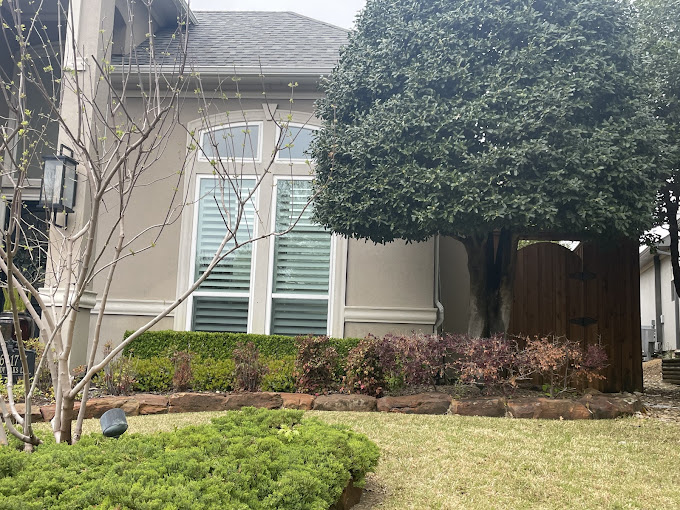
Next, check your property access. Is the fallen wood blocking a driveway, sidewalk, gate, or entry to a shed? Clearing access early can reduce damage to vehicles and helps you keep working safely while the rest of the cleanup is planned.
Document the damage
Take a few photos of the tree, the break points, and the surrounding area. This helps you explain what happened and what you want addressed.
Identify hazards
Note any leaning trees, loose limbs above roofs, or branches that could fall during the next gust.
Plan for the next step
Storm work often includes removal, then pruning or shaping to reduce stress and help the remaining tree recover.
Main Things Customers Should Understand
Storm cleanup is not only about removing what fell. It is also about dealing with what is still holding tension. When wood breaks, fibers and internal structure can remain stressed even if the limb looks “mostly down.” A professional approach checks the tree’s condition so you do not leave behind hazards that can shift later.
Professional observation: After a storm, the “worst looking” damage is sometimes not the only problem. Cracks near the trunk, girdling branches, and compromised roots can turn into future safety issues. A proper tree inspection helps determine whether removal, tree pruning service, or tree mitigation is the right next step.
Here is how storm cleanup commonly connects to other services you might need:
| Situation you notice | Typical next step | Why it matters |
|---|---|---|
| Large limb or trunk is broken and resting on structures | Emergency tree removal services and staged removal planning | Reduces the risk of additional shifting while work is underway. |
| Tree is leaning or appears cracked at the base | Tree removal service or stabilization decisions after inspection | Leaning can mean root or structural compromise. |
| Remaining branches need shaping after storm breakage | Tree pruning, trimming, and reduction | Helps rebalance the crown and remove weak or damaged wood. |
| Stump is interfering with mowing, landscaping, or access | Stump grinding and stump removal | Improves yard usability and reduces the chance of nuisance regrowth. |
| Tree looks stressed and may need recovery support | Deep root fertilization or soil conditioning | Supports long-term tree health care after damage. |
Why This Matters in Dallas, TX
In the Dallas, TX area, storm damage often means more than just fallen limbs. Trees in residential yards and older commercial lots can be close to buildings, fences, and driveways, so cleanup needs to protect access while addressing hazards. Wind-driven debris can also create “hidden” damage, like cracks that are not obvious until the wood is disturbed.
Once the immediate hazards are cleared, Dallas homeowners and property managers usually want the property to function normally again: safe walkways, clear entrances, and a yard that can be maintained. That is where combining storm cleanup with the right follow-up service, like professional tree trimming services near me and stump grinding, makes a noticeable difference.
Customer-focused goal: Get the unsafe material removed, then plan the recovery steps for the trees that can stay. This helps you move from “storm response” to “property back to normal” without leaving new problems behind.
Common Mistakes to Avoid
After a storm, it is tempting to handle cleanup quickly or in phases without a plan. That can lead to extra work and avoidable safety risks.
- Waiting too long to address unstable limbs. Limbs that are cracked or hanging can shift during later weather.
- Trying DIY cutting near power lines. Even if you think the lines are far enough, storm debris can change positioning.
- Focusing only on what fell. A tree can be structurally compromised even when it looks “mostly standing.”
- Skipping stump grinding. Leaving a stump can interfere with landscaping and future maintenance.
- Ignoring tree health care needs. Stress from storms can increase vulnerability, so a tree survey and follow-up care may be part of the best outcome.
Customer Checklist
Use this checklist to keep your storm cleanup organized. It is designed to help you communicate clearly, reduce surprises, and prioritize safety.

- Keep people and pets away from the damaged area until it is assessed.
- Check for anything near power lines and avoid any DIY work in that zone.
- Take photos of the tree, break points, and where limbs are resting.
- Note blocked access points: driveways, gates, sidewalks, and entryways.
- List any visible issues: leaning, trunk cracks, hanging limbs, or damaged roots.
- Ask whether the plan includes emergency tree removal and staged removal if needed.
- Confirm next steps after removal, such as tree pruning services near me for remaining branches.
- Discuss stump grinding service if a stump will remain in a high-traffic area.
- Request a brief plan for tree health care, including deep root fertilization if appropriate.
Need storm damage tree service in Dallas, TX?
If you are dealing with fallen trees, broken limbs, or a tree that looks like it may fail again soon, contact Parker Tree Service. We can help you plan the safest approach for emergency tree removal and follow-up tree care services.
Talk to Parker Tree ServicePhone: (214) 394-2414
Representative Scenario: Storm Cleanup That Stays Safe
Imagine a Dallas, TX homeowner who wakes up to find a large limb across the driveway and another limb hanging over the fence. The tree is not fully down, but there are visible cracks where the wood broke. Instead of pulling debris by hand, they keep vehicles parked away from the area, document the damage, and request an inspection focused on stability.
After the unsafe material is removed, the remaining structure is evaluated. If the tree can be saved, the cleanup plan includes tree pruning and trimming to remove damaged sections and reduce future risk. Then, if a stump is left in a high-use area, stump grinding is scheduled so the yard can be maintained again without snagging equipment or creating tripping hazards.
Frequently Asked Questions
How do I decide between tree removal and tree pruning after storm damage?
Storm damage can affect more than what is visible from the ground. If the trunk is cracked, the tree is leaning, or the base appears compromised, removal is often the safer path. If the tree is generally stable and only certain branches were damaged, pruning and shaping may be enough to reduce risk. A tree inspection focused on stability helps you choose based on the tree’s condition, not just the size of the broken limb.
What should I do right away if a tree is near power lines?
Keep everyone away from the area and do not attempt DIY cutting. Power lines can shift after storms, and debris can change the risk level even if the tree looked safe earlier. Contact a qualified emergency tree service approach for hazard assessment and safe removal planning. For your own safety, focus on securing people and property access while professionals handle the situation.
Will stump grinding help after storm cleanup, or is stump removal enough?
Stump grinding is often a practical choice when you want the yard to function normally again. It reduces the remaining stump height and can help prevent nuisance issues that interfere with mowing and landscaping. In many cases, stump removal and stump grinding are discussed together depending on the stump’s location and the plan for the rest of the property. A site visit can determine which approach best fits your cleanup goals.
Can storm-damaged trees recover, or will they always be a problem?
Some trees can recover, especially when damaged wood is removed and the remaining structure is managed responsibly. After storms, stress can increase vulnerability, so follow-up care may include tree pruning, tree health care, and in some cases tree fertilization service like deep root fertilization. A tree survey and inspection helps determine whether recovery is realistic and what mitigation steps are appropriate.
What should I ask a tree service company before cleanup begins?
Ask about safety planning, especially if the tree is near structures or any potential line hazards. Then ask what the cleanup plan includes: emergency tree removal approach, whether follow-up trimming or reduction will be done, and whether stump grinding is part of the property plan. If the tree will remain, ask about tree risk assessment and any tree health care steps such as deep root fertilization or soil conditioning.
Get your Dallas, TX property back in order
Storm cleanup should be safe, organized, and planned for what comes next. Parker Tree Service provides tree service in Dallas, TX and surrounding areas like Plano and the DFW Suburbs, with storm damage tree service that can include emergency tree removal, tree pruning, and stump grinding.
Contact Parker Tree ServicePhone: (214) 394-2414

About Parker Tree Service
Parker Tree Service offers professional tree care services for Dallas, TX homeowners and property managers, including tree removal service, emergency tree removal services, tree pruning and trimming, stump grinding and stump removal, and tree health care such as deep root fertilization. If you are dealing with storm damage, the right plan can help you clear hazards now and support healthier trees after cleanup.
Serving: Dallas, TX and Plano and DFW Suburbs