
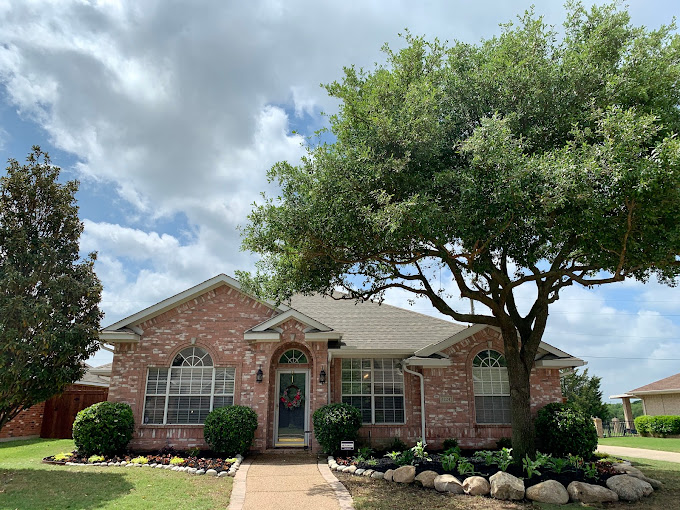
Emergency Tree Removal Near Me After Storm Damage
If a tree fell during the storm or is hanging precariously, you need a safe plan for what to do next. This guide helps you understand how emergency tree removal works in Dallas, TX, what to check on your property, and how to choose the right tree service for fallen tree removal, hazardous limbs, and post-storm mitigation.
After a storm rolls through Dallas, TX, it is common to hear the wind, then step outside and find a tree split, uprooted, or leaning toward the house. Even when the immediate danger seems “mostly over,” storm-damaged trees can be unstable, with hidden cracks or roots that are still pulling.
You might be wondering whether you should handle it yourself, who to call first, and how to prevent more damage to your roof, driveway, fence, or power lines. This guide explains what to check right away, what decisions matter most, and what to expect from professional storm damage tree service.
- Quick answer
- What to check first
- Main things customers should understand
- Why this matters in Dallas, TX
- Common mistakes to avoid
- Customer checklist
- Frequently asked questions
Quick Answer
If a tree is down, hanging, or pressing against a structure, treat it as hazardous and keep people away until professionals can assess it. Start by securing the area, avoiding any contact with power lines, and documenting the damage for your records. For storm damage in Dallas, TX, the safest next step is to contact a tree removal service that can handle emergency tree removal and hazardous tree removal safely, then follow up with cleanup, stump grinding when needed, and a plan for tree health care.
What to Check First
Before anyone moves debris, do a quick safety scan. Look for downed lines, sparks, or anything that suggests the tree or branches are energized. If you spot power lines, stay back and call the utility company. Do not try to “push it off” or cut near wires.
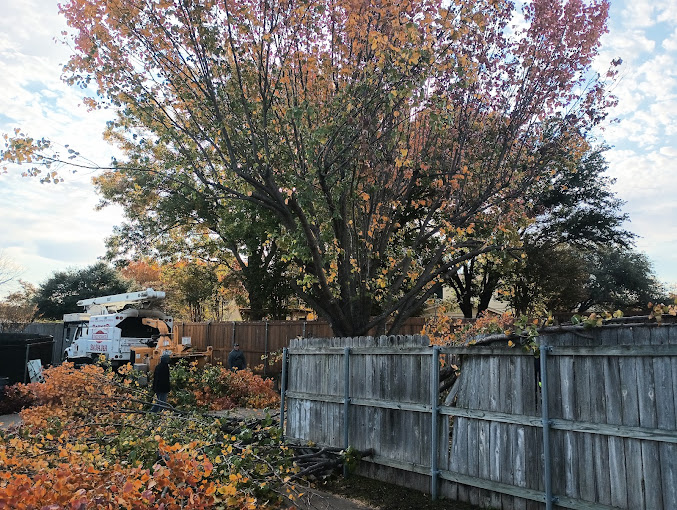
Professional observation: After storms, the most dangerous trees are often the ones that look “almost stable.” Roots can be partially torn, trunks can be cracked, and branches can shift as weight changes during cleanup. A proper on-site assessment helps prevent secondary damage while the tree is taken down piece by piece.
Next, check your property risks: is the tree leaning into a roofline, garage, fence, or shed? Are there blocked driveways or walkways that could force people to step over unstable limbs? Finally, if the tree is still upright but compromised, note the direction it is leaning and whether the base is lifting or the ground looks disturbed.
Main Things Customers Should Understand
Emergency tree removal is not just about cutting. In Dallas, TX storms, fallen tree removal often involves managing weight, controlling drop zones, and reducing the chance of additional impacts. A professional crew will typically plan the sequence: where to cut first, how to lower sections safely, and what to remove versus what to leave temporarily for stability.
| Situation you see | What it usually means | Typical next step |
|---|---|---|
| Tree is uprooted or leaning heavily | Roots can be unstable and the trunk can shift without warning | Hazardous tree removal with controlled lowering, then cleanup |
| Large limbs are hanging over a roof or driveway | Branch failure may occur while debris is moved or during additional wind | Section-by-section removal and protection of impacted areas |
| Tree is still standing but the trunk has splits | Cracks can widen under load changes | Tree risk assessment and mitigation plan |
| Stump remains after removal | Re-growth risk and future trip or mowing hazards | Stump grinding service for a cleaner, safer yard |
One firsthand-style industry observation: crews often find that the “main” damage is only part of the story. Storms can break smaller limbs that are wedged in place, pull branches against nearby structures, and expose internal defects in the trunk. That is why a professional storm damage tree service will look beyond the obvious break and plan for stability before the first cut is made.
Why This Matters in Dallas, TX
Dallas, TX properties often mix mature shade trees with residential construction close to property lines, driveways, and back fences. After wind and heavy rain, that spacing matters. A tree that falls in the wrong direction can impact gutters, siding, and landscaping, and it can also create debris pathways that make it harder to move safely around your home.
In the DFW suburbs, you may also see trees near lots that are shared by multiple neighboring homes, which increases the importance of careful cleanup and property protection. If you are deciding between removal and a different approach, a tree survey and tree health care plan can help determine whether mitigation, pruning, or removal is the safest option for the site.
Get a clear plan for storm-damaged trees
If you are dealing with a fallen tree, hazardous limbs, or storm damage that is not fully safe yet, contact Parker Tree Service for guidance on next steps for emergency tree removal and cleanup in Dallas, TX.
Call Parker Tree ServiceCommon Mistakes to Avoid
Homeowners often want to “get it over with” quickly, but storm-damaged trees can create new hazards during cleanup. Avoid these common mistakes, especially around structures and driveways.
Common mistakes:
- Cutting too close to the trunk or base without a stability plan, which can cause unpredictable shifts.
- Moving debris without securing the area, leaving people at risk of falling branches or rolling logs.
- Ignoring trunk cracks and root lift because the tree is “still standing,” even partially.
- Forgetting the follow-up after removal, such as stump grinding or assessing remaining tree health.
- Choosing a one-size-fits-all approach when the right solution might include tree pruning, crown reduction, or tree mitigation for what remains.
Customer Checklist
Use this checklist to stay organized while you arrange emergency help and protect your property in Dallas, TX.
- Keep people and pets away from the tree, limbs, and the drop zone.
- Look for power lines or signs of electrical contact before approaching.
- Identify what the tree is touching: roof, fence, garage, driveway, or landscaping.
- Take a few notes about the direction of lean and any visible trunk splits.
- Clear access paths for responders so equipment can reach safely.
- After removal, ask about cleanup options and whether stump grinding is needed.
- If the remaining trees look stressed, request a tree health care recommendation for next steps.
Representative Storm-Damage Scenario
Imagine a homeowner in Plano, TX who wakes up after a storm to find a large limb wedged against the edge of the roof and several branches down across the driveway. The trunk is still partly upright, but the base area looks disturbed. Instead of trying to pull the limb free, the homeowner keeps everyone away, checks for any lines nearby, and contacts Parker Tree Service to assess the stability.
The crew plans the removal sequence to reduce the chance of the limb shifting into the roofline. After the hazardous sections are taken down and the debris is cleared, the property owner discusses the remaining stump and yard layout. The result is safer access to the driveway, reduced risk to structures, and a cleaner path for restoration of landscaping.
Frequently Asked Questions
How do I know if I should treat a storm-damaged tree as an emergency?
Consider it an emergency if the tree is down, hanging in a way that could fall more, leaning into your home or outbuildings, or showing signs of root lift or trunk cracks. Even if the tree is not fully on the ground, storm damage can make it unstable under new weight or wind. If you are unsure, keep distance and have a professional assess the situation. A safe assessment helps you avoid secondary damage while cleanup is underway.
Should I remove the branches myself to make the yard usable faster?
It is usually not a good idea to handle storm-damaged branches yourself. When limbs are still under tension, they can shift during cutting or moving. In Dallas, TX, trees may be near structures and driveways, which increases the risk of impacts to roofs, siding, fences, or vehicles. A professional approach focuses on controlled removal and property protection. Once the hazardous parts are removed, you can plan the next steps for cleanup and yard restoration.
What happens after emergency tree removal is complete?
After the hazardous sections are taken down, the next steps often include thorough cleanup and addressing what remains. Many homeowners choose stump grinding for a safer yard and a cleaner appearance. If the storm affected nearby trees, a tree risk assessment or tree health care recommendation can help determine whether pruning, crown reduction, or mitigation is needed. This follow-up matters because stressed trees may be more vulnerable after the initial storm damage.
Can storm-damaged trees be saved, or is removal always required?
Not every storm-damaged tree needs full removal. If a tree is compromised but still stable enough, a professional may recommend targeted tree pruning, crown thinning, or other mitigation strategies. If the trunk is cracked, the base is unstable, or the tree poses ongoing risk to structures, removal is typically the safer choice. A site-specific evaluation is the best way to decide what can be preserved and what should be removed to reduce risk.
What related services might I need after the cleanup?
Depending on what the storm damaged, you may need stump grinding service, brush clearing, or lot clearing to restore safe access. If you are dealing with dead tree removal or hazardous tree removal, cleanup may include removing the remaining unsafe growth. In some cases, soil conditioning or deep root fertilization is discussed as part of tree maintenance services, especially if the remaining trees show stress. A professional plan helps you connect the dots from emergency cleanup to long-term tree health care.
Need emergency tree removal in Dallas, TX?
When storm damage leaves a tree down, hanging, or threatening a structure, Parker Tree Service can help you move from uncertainty to a safe, practical plan for removal, cleanup, and next-step tree care.
Request storm damage help
Parker Tree Service
Parker Tree Service provides tree services for homeowners and property managers across Dallas, TX and the DFW suburbs, including Plano. If your property needs emergency tree removal after storm damage, hazardous tree removal, stump grinding service, or ongoing tree health care, the team focuses on practical, safety-first solutions and clear next steps.
Explore additional services like tree removal service, stump grinding removal, tree pruning services, and deep root fertilization.