
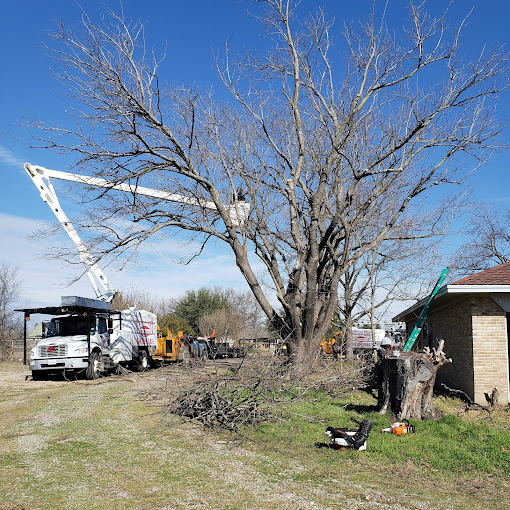
Emergency Tree Removal Near Me for Storm Damage
When a storm hits around Dallas, TX, downed limbs and damaged trees can create hazards fast. This guide helps you understand what to check, how to prioritize safety, and what decisions matter most during emergency tree service.
After a wind event, you may notice a tree leaning toward your home, branches resting on power lines, or a trunk that looks “mostly fine” but has shifted at the base. In Dallas, TX and the surrounding DFW suburbs, storms can turn normal yards into complicated safety zones within minutes.
If you are trying to decide whether to wait, call a professional, or focus on cleanup first, the details matter. This guide walks you through the first checks you can do safely, what professionals look for in storm-damaged trees, and how to plan next steps like tree removal, tree pruning, and stump grinding without overlooking risk.
- Quick answer
- What to check first
- Main things customers should understand
- Why this matters in Dallas, TX
- Common mistakes to avoid
- Customer checklist
- Frequently asked questions
Quick Answer
If a tree or large limb is touching power lines, blocking a driveway or walkway, or leaning in a way that could shift, treat it as hazardous and keep people and pets away until it is assessed. For storm damage, the safest next step is to have a professional handle emergency tree removal and related mitigation, then follow with pruning, stump grinding, and tree health care as needed. A practical approach is to document what you see from a safe distance, note the location of obstructions, and request an on-site evaluation so the plan matches the damage.
What to Check First
Before anyone picks up a chainsaw or tries to “move one limb,” do a quick safety scan from a distance. Look for power line contact, hanging limbs, cracks at the trunk, and any signs the tree has shifted in the soil. If you can’t clearly see what is supporting the weight, assume it can move.

Professional observation: Storm-damaged trees can look stable but still have compromised roots or internal damage. A careful assessment helps decide whether the right move is removal, targeted pruning, or staged mitigation.
Safety priorities you can handle immediately
Keep the area clear and avoid walking under broken branches. If limbs are suspended, do not pull them free, since the release can drop weight suddenly. If the tree is near structures, fences, or vehicles, keep traffic moving around it until it is evaluated.
Document the situation for clarity
From a safe spot, take notes about the tree’s location, what it is contacting (roofline, fence, driveway, landscaping), and whether multiple areas are involved. This helps a tree service near me team plan the safest approach for emergency tree removal and clean-up.
Power lines involved?
Do not approach. Treat it as an urgent hazard and keep everyone away until utility and tree professionals coordinate.
Is the trunk cracked or leaning?
Cracks, lifted roots, or a changed angle often mean the tree may move further during cleanup.
Are limbs hung up overhead?
Suspended branches can shift. Professionals use the right sequence to reduce risk during removal.
Main Things Customers Should Understand
Emergency work is not just about getting debris out of the yard. The priority is making the site safe, then restoring function so you can protect property and prevent the same tree from becoming a recurring risk. After a storm, teams often evaluate the whole system: roots, trunk structure, canopy weight, and nearby impacts.
How storm damage changes the plan
Two trees can look similar after high winds, but the safest plan depends on where the failure started. A trunk that split high up may call for different handling than a tree that tipped due to root damage. Professionals also consider whether tree pruning services near me can reduce hazard without unnecessary removal, or whether full removal is the safer choice.
What usually happens after removal
Once a damaged tree is removed, you may still need follow-up work. Stumps can interfere with landscaping, mowing, and future planting, which is why many homeowners plan for stump grinding or stump grinding service. If the storm caused partial crown damage, selective pruning can help restore a healthier shape and reduce future risk. If soil conditions were disturbed, tree health care such as deep root fertilization may be part of the recovery plan.
Practical recommendation: If you are deciding between quick cleanup and longer-term risk reduction, ask what the plan includes beyond debris removal. A good emergency tree service plan addresses safety first, then tree health and site cleanup so you are not dealing with the same issue again.
| What you notice after the storm | Typical professional next step | Why it matters |
|---|---|---|
| Tree is leaning or roots look lifted | Emergency removal and hazard mitigation | Root damage can allow further movement during cleanup |
| Major branches are broken or hanging | Targeted removal and safe staging | Hanging limbs can drop once tension changes |
| Trunk split or cracked at the base | Removal planning based on structural failure | Cracks can indicate internal instability |
| Small limbs only, canopy looks intact | Professional pruning and shaping | Selective trimming can reduce stress points |
| Stump remains after cleanup | Stump grinding or stump removal | Helps prevent regrowth and clears the yard for maintenance |
Why This Matters in Dallas, TX
In Dallas, TX and the broader DFW suburbs, storms can bring fast wind gusts that push tree branches into power lines, roofs, and fences. Many residential lots in the area are built close to mature trees, so storm impacts often involve both property and access. A careful storm damage tree service plan helps reduce the risk of secondary damage while restoring safe yard access.
A local homeowner approach that works
If you are dealing with downed limbs on a driveway or damaged trees near walkways, focus on keeping the area clear and safe while professionals handle the removal sequence. After that, you can plan for tree trimming and tree pruning to improve structure and reduce stress points. If the storm caused stress to living trees, ask whether tree health care like tree fertilization service or other mitigation steps are recommended for your specific situation.
Need emergency tree removal planning for storm damage?
Contact Parker Tree Service for help assessing storm-impacted trees and choosing the safest next steps for your Dallas, TX property.
Contact Parker Tree ServiceCommon Mistakes to Avoid
After a storm, it is tempting to handle cleanup quickly. But a few common choices can increase risk to people and property, and they can also make future tree care more complicated.
Mistake: Treating it like normal yard work
Trying to cut or pull limbs that are still under tension can cause sudden drops. If a tree is leaning or the base looks disturbed, the safest plan is to have professionals handle the removal and mitigation sequence.
Mistake: Ignoring “minor” damage
Broken branches are not always the whole problem. Internal damage can persist after the obvious limb is gone. That is why professional evaluation matters when choosing between tree removal near me and targeted pruning.
Mistake: Skipping the stump step
Leaving stumps can create long-term issues for mowing, landscaping, and new planting. If you want the yard to look clean and usable again, ask about professional stump grinding or stump removal options.
Mistake: Only focusing on cleanup
If living trees were stressed by the storm, a short-term debris removal plan may not address future risk. A practical follow-up is to discuss tree health care steps, including pruning, reduction, and potentially deep root fertilization as part of recovery.
Customer Checklist
Use this checklist to organize your next steps after storm damage. It is designed to help you communicate clearly and prioritize safety.
- Keep people and pets out of the affected area until the tree is assessed.
- Check from a distance for power line contact, hanging limbs, and signs the trunk has shifted.
- Note what the tree is contacting (roof, fence, driveway, walkway, structures).
- Document locations and key details so you can explain the problem clearly.
- Ask whether the plan includes emergency tree removal, safe mitigation, and follow-up cleanup.
- After removal, discuss whether pruning, tree shaping, or crown reduction is needed for living trees.
- Plan stump cleanup (like stump grinding) to restore usable yard space.
Representative Scenario: A storm hits a Dallas driveway
Imagine a Dallas, TX homeowner who hears loud cracking during a wind event. A mature tree drops several large limbs into the driveway and knocks branches against a nearby fence. From the street, the tree looks “mostly down,” but the trunk is still angled and the base appears disturbed. The homeowner keeps the area clear, avoids pulling on any limbs, and requests an on-site assessment from Parker Tree Service. The team removes the hazardous sections in a controlled order, clears the driveway, and then addresses the remaining tree condition so the property is safe to use again.
Frequently Asked Questions
How do I know if my storm-damaged tree needs emergency tree removal?
If the tree is leaning, the base looks lifted, the trunk is cracked, or large limbs are hanging over a driveway, walkway, or structures, treat it as hazardous. Even when damage seems limited, internal instability can remain. A professional assessment helps determine whether targeted tree pruning and risk reduction is enough or whether full tree removal service is the safer choice for your property in Dallas, TX.
Can trimming fix storm damage without removing the whole tree?
Sometimes yes. If the structure is largely intact and the damage is confined to certain branches, selective pruning or reduction can restore safer canopy balance. However, if the storm caused root disturbance or structural failure, pruning may not address the underlying risk. The decision is based on the visible damage and what a careful on-site evaluation shows about stability.
What should I do right after a tree falls on or near my property?
Keep everyone away and avoid walking under broken limbs. If any portion of the tree is near power lines or you are unsure about contact, do not approach. From a safe distance, note where the tree or limbs are resting and what areas are blocked. These details help a professional plan the safest removal sequence and reduce the chance of secondary damage during cleanup.
Do I need stump grinding after emergency removal?
Stump grinding is often the practical next step once the hazard is cleared. It helps restore yard usability and reduces the long-term nuisance of remaining stumps. If you plan to re-landscape, mow regularly, or plant in the area, removing the stump material can make maintenance easier. A tree service team can confirm what is feasible based on stump size and site conditions.
How does tree health care fit into storm cleanup?
Storms can stress living trees even if they survive the initial impact. After emergency work, follow-up steps may include pruning and, when appropriate, tree health care such as deep-root fertilization or soil conditioning to support recovery. The goal is to help trees regain strength and reduce future stress points, especially when you want long-term tree health care beyond just debris removal.
Get help with emergency tree removal near Dallas, TX
If your property is dealing with storm damage, Parker Tree Service can help you choose the safest path for removal, cleanup, and follow-up tree care.
Request Emergency Tree RemovalAbout Parker Tree Service
Parker Tree Service provides tree services for homeowners and properties across Dallas, TX and the DFW suburbs, including Plano and nearby areas. Our focus is on practical storm damage solutions, from emergency tree removal and hazardous limb cleanup to follow-up tree pruning and stump grinding. If you are managing storm-impacted trees or want safer long-term tree health care, Parker Tree Service offers support to help you make clear, site-specific decisions.

Parker Tree Service
Serving Dallas, TX and DFW suburbs including Plano. For storm damage tree service and related tree care, call (214) 394-2414 or visit parkertreeservice.biz.
Helpful related services: tree pruning and crown reduction and tree removal service.