
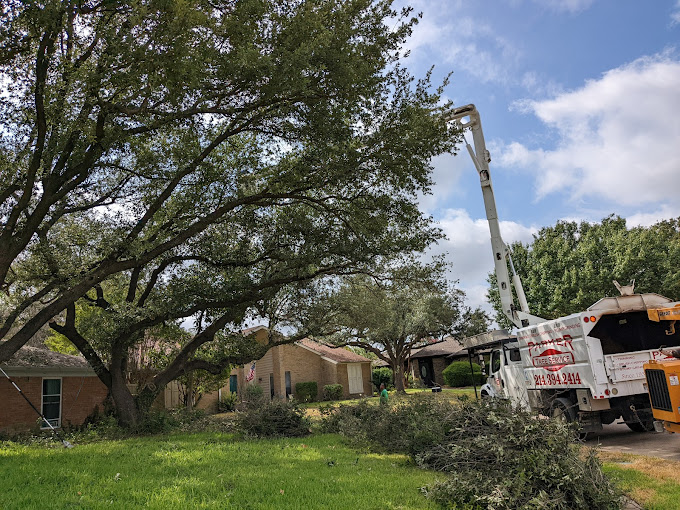
Tree Pruning Near Me for Healthy Growth
If you are seeing overgrowth, weak branches, or dead limbs in your yard around Dallas, TX, the right pruning plan can help your trees grow stronger and look better. This guide walks you through what to check first, which pruning goals matter most, and when a tree removal service or emergency tree service might be the safer next step.
It starts with a “small” problem. A branch hangs lower than it used to, leaves look thinner near the inner canopy, or you notice small holes on a trunk and wonder if it is just normal aging. In Dallas, TX, that concern often ramps up after storms, when wind pushes weak limbs and exposed growth into new positions.
Before you schedule tree pruning, it helps to understand what kind of cut your tree actually needs. The wrong approach can slow growth or leave openings for pests and disease. This guide will help you sort out pruning vs. other tree care services, recognize warning signs, and plan next steps that support long-term tree health care in the DFW area.
- Quick answer
- What to check first
- Main things customers should understand
- Why this matters in Dallas, TX
- Common mistakes to avoid
- Customer checklist
- Frequently asked questions
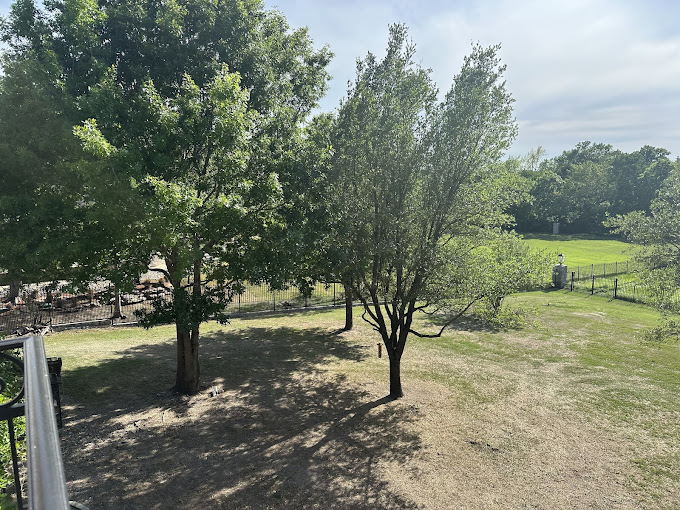
Quick Answer
For healthy growth, tree pruning should focus on removing dead, damaged, or crossing branches and shaping the canopy for better airflow and stability. In Dallas, TX, timing and cut style matter because storms and heat can stress trees. Start by checking for dead limbs, cracks, and signs of pests like wood borer activity (small holes or frass). If you see significant damage, leaning limbs, or widespread dieback, consider a full tree risk assessment or a different service path. A professional tree pruning service can evaluate your tree and recommend the safest plan for your property.
What to Check First
Before you search “tree pruning near me,” do a quick, safe walkthrough. Look at the structure, not just the appearance. Trees often fail when weak unions, rubbing limbs, or hidden decay go untreated.
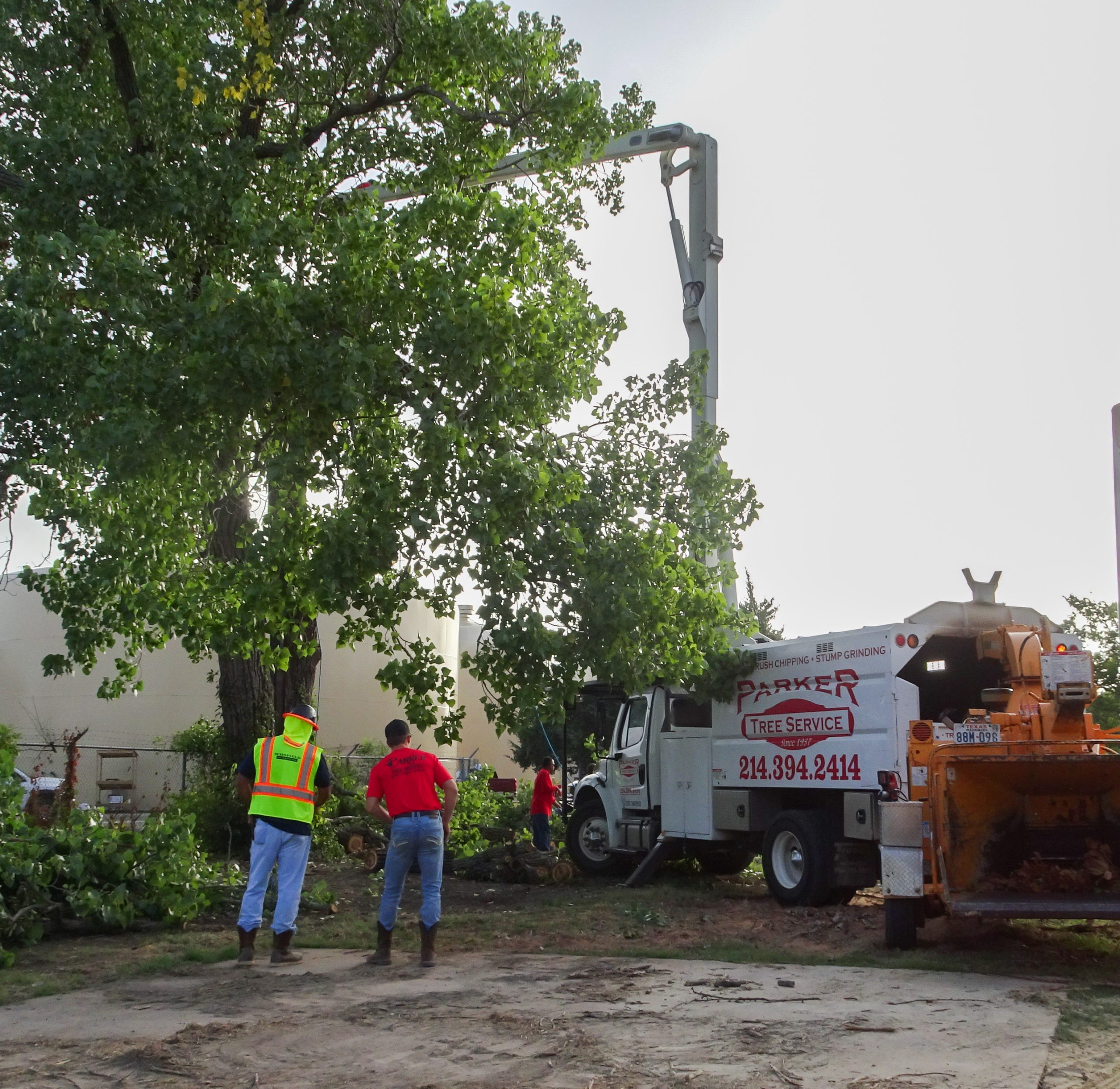
1) Branch structure
Identify branches that rub, grow into each other, or hang over roofs, fences, or walkways. Crossing limbs can cause ongoing wounds.
2) Trunk and limb condition
Watch for cracks, cankers, or areas where the bark looks loose. Dead or brittle twigs inside the canopy are a clue.
3) Pest and disease signals
Small entry holes, fresh sawdust-like material (often called frass), or thinning leaves can point to wood borer treatment needs.
Professional observation: If you are unsure whether a tree issue is pruning-related or pest-driven, a tree disease treatment and tree insect treatment approach may be necessary before (or alongside) trimming.
Main Things Customers Should Understand
Healthy growth is not just about making a tree “smaller.” Professional tree pruning services near me usually follow clear goals: reduce risk, improve structure, and encourage better canopy development for the specific species and setting. In residential tree service yards around Dallas, TX, that often means balancing shade, clearance, and long-term branch strength.
Pruning goals that support tree health care
- Remove dead or dying wood to reduce breakage points and stop progressive decline.
- Thin selectively so wind and sunlight can pass through the canopy, improving overall vigor.
- Reduce heavy weight safely when needed, rather than cutting in a way that creates new weak growth.
- Address problem areas early if you suspect tree borer control or wood borers treatment.
| What you’re seeing | Most likely tree care service | Why it matters |
|---|---|---|
| Dead limbs, brittle branches, or limbs that fail during wind | Tree pruning service (targeted removal) | Reduces immediate hazards and helps prevent spread of decline. |
| Crossing branches, rubbing, or canopy that blocks light and airflow | Professional tree trimming | Improves structure and canopy health without overcutting. |
| Visible pest signs such as holes and frass, or canopy thinning | Tree insect treatment and wood borer treatment planning | Pruning alone may not solve the underlying stress or damage. |
| A stump that is still active or creates root issues | Stump grinding service or stump removal | Helps with clean-up and reduces future problems from remaining roots. |
| After storms: broken limbs, hanging debris, or leaning trees | Storm damage tree service or emergency tree service | Stabilizes hazards and clears safely before repairs or pruning. |
Firsthand-style observation from the field
In Dallas, TX, a common pattern is “cosmetic pruning” that was done to improve curb appeal, but the canopy ends up thicker in the wrong places. Homeowners often notice the change months later when the tree produces fast, weak shoots and branches start to crowd. When a professional looks at the same tree again, the fix is usually not more cutting, but smarter structural pruning and, when needed, a plan for deep root fertilization or soil conditioning to support recovery.
Why this matters in Dallas, TX
Dallas weather swings and seasonal storms can expose weak branch unions and stress trees that were already pushed by heat or drought. When you prune for healthy growth, you are also setting the tree up to handle wind loads better and recover more reliably. For properties in Plano and the DFW suburbs, that often includes trees near driveways, overhead utility lines, patios, and older fences where clearance is a real everyday concern.
Another local factor is how yards are used. Many Dallas-area homes have regular landscaping traffic and hardscapes near the tree line. Pruning that respects clearance while removing problem wood supports safer daily use and reduces the chance you will need tree removal near me sooner than expected.
Need a pruning plan for your trees?
Schedule an evaluation with Parker Tree Service to discuss tree pruning, tree risk assessment, and whether your tree needs trimming, tree disease treatment, or other next steps.
Contact Parker Tree ServiceCommon Mistakes to Avoid
Even well-meaning homeowners can accidentally make problems worse. These mistakes are especially common when people search for tree pruning services near me and end up with an approach focused only on appearance.
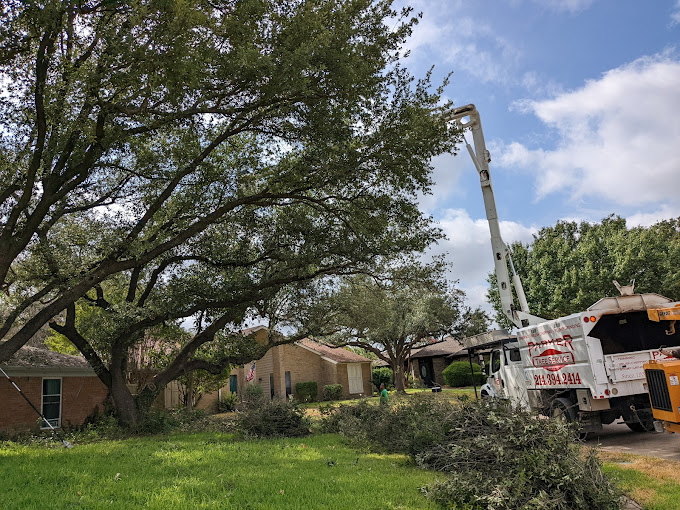
- Over-pruning for quick results that removes too much leaf area and slows recovery.
- “Rounding over” the canopy without addressing crossing limbs, weak unions, or deadwood.
- Ignoring pest or disease signs like wood borer activity and canopy thinning, then expecting trimming to fix it.
- Cutting too close to the trunk and leaving wounds that can become entry points.
- Delaying action on hazardous limbs after storms, when emergency tree removal planning may be the safer route.
Customer Checklist
Use this checklist before and during the scheduling process. It helps you describe your goals clearly and ensures the conversation stays focused on tree health care and safe clearance for your property.
Before the visit
- Write down where the tree overhangs (roof edges, fences, driveways, walkways).
- Note any visible issues: dead branches, cracks, holes, frass, or thinning leaves.
- Confirm what you want most: safer structure, better canopy shape, or pest-related recovery support.
- Take photos from a few angles so the arborist can see the canopy and trunk condition.
Questions to ask your tree service provider
- What pruning method will be used to support healthy growth and structure?
- Does the issue look like pruning-only or does it require tree insect treatment or tree disease treatment?
- Will the plan include tree surveys or tree inspection steps to understand risk?
- If a stump is involved, should you plan for stump grinding service or stump removal?
Frequently Asked Questions
How do I know if I need tree pruning or tree removal service?
If limbs are dead, cracked, or showing signs of serious decline, pruning may still be the right first step. Tree removal is more likely when the structure is unstable, the damage is widespread, or the tree cannot be safely retained without creating unacceptable risk. A tree risk assessment helps separate “trimmable” issues from situations where hazardous tree removal is the safer option. If you are dealing with storm damage tree service concerns, it is also worth asking how hazards will be handled before any trimming begins.
When should I call for emergency tree removal?
Call for emergency tree service when you have immediate hazards, such as a tree or large limb leaning dangerously, branches hanging over power lines, or debris blocking access after storms. Even if the tree is not fully down, broken limbs can shift further as wind and gravity act on the remaining connections. If you are unsure, describe what you see and whether anyone’s safety or property access is affected. For event-driven problems, contacting an experienced crew for emergency tree removal planning is the safest approach.
Can pruning help if I suspect wood borers or other tree pests?
Pruning can remove dead or declining parts, but pests often affect the tree internally. If you notice wood borer treatment signals like entry holes and frass, your plan may need to include tree pest control or tree insect treatment alongside trimming. The goal is to reduce stress while addressing the underlying cause. A professional tree inspection can help determine whether the tree is dealing with wood borers treatment needs, webworms treatment concerns, or another issue that requires different steps than pruning alone.
What is the difference between pruning, trimming, and crown reduction?
Tree pruning is often used for structural goals like removing deadwood, correcting crossing limbs, and thinning for airflow. Tree trimming can be broader and may include shaping for clearance and appearance. Tree crown reduction is typically a more specific approach that reduces size or weight in a controlled way, which can be important for branches that are too heavy for safe retention. The right choice depends on the tree’s current structure, how it is growing, and the safety and clearance needs on your property in Dallas, TX.
Should I plan for stump grinding or deep root fertilization after pruning?
It depends on what is actually being removed. If you are dealing with a stump from a previous tree removal, affordable stump removal often starts with stump grinding service to address remaining roots and clean up the area. Deep root fertilization and soil conditioning are different: they support the living tree’s recovery and vigor when the health plan calls for it. Your provider can recommend whether deep-root fertilization is appropriate for your tree’s current condition and goals.
Ready to improve tree health with the right pruning?
Parker Tree Service helps Dallas homeowners and property managers plan tree pruning, storm damage tree service, and related care based on what the tree is actually telling you. If you need help deciding between pruning, tree removal, or stump grinding service, contact us and we will guide you to the safest next step.
(214) 394-2414
Parker Tree Service
Parker Tree Service provides tree services for Dallas, TX and the surrounding DFW suburbs, including Plano and nearby communities. Our focus is practical, property-aware tree care, including professional tree trimming, pruning and reduction for healthier growth, emergency tree removal services after storms, stump grinding service, and deep root fertilization to support long-term tree health care. If you are searching for a tree service near me, we help you choose the right approach based on your tree’s condition and your clearance and safety needs.
Explore related services: tree pruning and trimming reduction, deep root fertilization, stump grinding and removal, emergency tree removal, tree removal.