

Stump Grinding Near Me: Local Service for Removal
If a stump is blocking landscaping, creating a tripping hazard, or pulling up mower lines, grinding is often the cleanest path to a safer yard. This guide explains what stump grinding solves, what to check before removal, and how to plan the next steps for tree health care around your Dallas, TX property.
A few weeks after a tree is removed, the stump can feel like it “should be gone already.” Instead, you’re left with something that won’t mow smoothly, collects debris after storms, and can even sprout new growth if the roots are still active.
And in Dallas, TX yards, where landscaping projects and property cleanups often overlap with heat, wind, and storm cleanups, a stump can quickly become a maintenance problem. This guide helps you understand whether stump grinding is the right next step, what factors affect the job, and how to avoid common surprises during removal.
- Quick answer
- What to check first
- Main things customers should understand
- Why this matters in Dallas, TX
- Common mistakes to avoid
- Customer checklist
- Frequently asked questions
Quick Answer
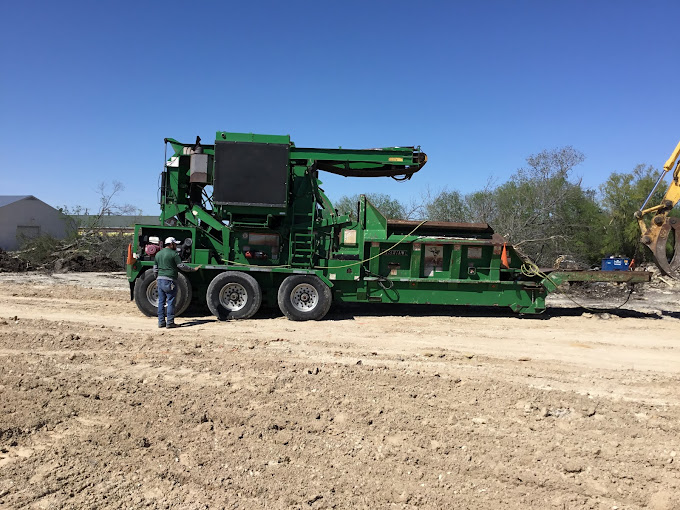
For most homeowners, stump grinding is the practical way to remove what’s left of a cut tree so it stops blocking lawn work and reduces the chance of new sprouts. Start by identifying the stump’s size, how close it is to structures or utilities, and whether you want the area ready for replanting or lot clearing. Then choose a local tree service that can grind the stump low enough for a smoother yard surface and handle cleanup. If the stump is tied to ongoing tree issues, also ask about tree health care and related treatments.
What to Check First
Before you search for “Stump Grinding Near Me,” take a quick look at the stump and its surroundings. Note the stump diameter, whether roots are lifting nearby soil or hardscape, and if the stump sits near a fence line, driveway, or foundation. Also check if the stump is already hollow, decayed, or surrounded by mushrooms or soft wood, which can affect how quickly it breaks down during grinding.
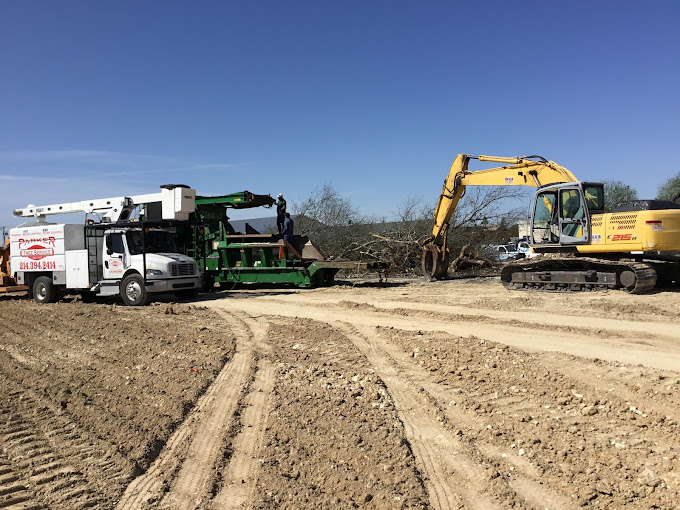
Professional observation: When a stump is close to buildings or landscaping beds, the grinding plan matters as much as the tool. A careful approach helps protect nearby surfaces while still getting the stump low enough for comfortable yard use.
Next, consider whether you’re dealing with more than “just a stump.” If the tree removal was connected to storm damage, dead tree removal, pest pressure, or a disease concern, stump grinding may be part of a broader plan. For example, understanding tree disease treatment or wood borer treatment needs can prevent the problem from returning in nearby trees.
Main Things Customers Should Understand
Stump grinding is not only about making the stump smaller. It is about breaking it down into wood chips while managing the remaining root structure and planning how the ground will be used afterward. Here are the main factors that usually determine how the work is approached.
Stump size and root depth
Larger stumps typically require more time and grinding passes because the roots extend deeper and wider than the visible top portion.
Proximity to hardscape
Driveways, patios, and retaining edges can limit how close equipment can safely work, so the technique may vary depending on your layout.
Yard goals after grinding
If you plan tree planting, soil conditioning, or brush clearing, you’ll want the area left in the best condition for the next step.
Firsthand-style industry observation: In Dallas, TX, many customers call after a tree removal that “looked finished,” only to discover the stump is still interfering with mowing, edging, or foot traffic. We often see that the stump’s remaining root mass can make the ground uneven, so grinding plus follow-up soil conditioning is what actually restores a smooth, usable surface.
Stump grinding vs. other cleanup options
Sometimes stump grinding is the right choice, and sometimes the better move is a broader tree service plan. Use the decision table below to think through which direction fits your situation.
| What you’re dealing with | Best next step to consider | Why it matters |
|---|---|---|
| Stump is blocking lawn care and creating uneven ground | Stump grinding service | Grinding reduces the stump height and helps the area blend back into the yard surface. |
| Tree was removed after storm damage and cleanup feels incomplete | Tree mitigation and stump grinding together | Storm cleanups often leave multiple leftovers that need coordinating for a safe, clean property. |
| You need to clear an area for landscaping, a new build, or lot clearing | Lot clearing and related land clearing | Stumps can be obstacles during brush clearing, land clearing, or preparing the site. |
| Nearby trees show signs of stress, insects, or disease concerns | Tree health care planning | Stump removal may not address issues that are affecting living trees nearby. |
Why This Matters in Dallas, TX
In Dallas, TX and the Plano and DFW suburbs, properties often mix mature landscaping with driveways, sidewalks, and older root systems. After a tree removal, stumps can remain long enough to interrupt routine yard maintenance, especially during seasons when homeowners are trying to keep the lawn presentable.
Another local reality is that storm damage tree service can lead to partial removals or trees cut back for safety. If the remaining stump is still connected to a root network, it can keep affecting the site. Pairing stump grinding with appropriate tree surveys or tree risk assessment helps you treat the visible problem while also considering what might be happening below ground and in nearby trees.
Need stump grinding help around your Dallas, TX property?
If a stump is slowing down mowing, edging, or landscaping plans, Parker Tree Service can help you plan the removal approach for a cleaner yard surface. Tell us what you’re working around and we’ll guide you to the right next step.
Call Parker Tree Service at (214) 394-2414Common Mistakes to Avoid
Homeowners often try to handle stump issues without a plan, which can create extra work later. These are the mistakes we see most frequently when people search for “Stump Removal Near Me” and try to DIY or select the wrong approach.
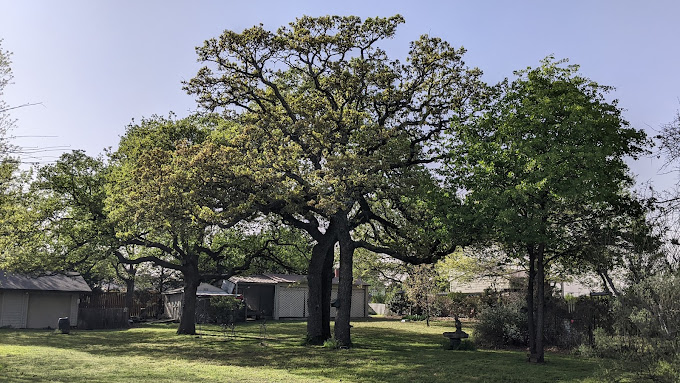
- Ignoring proximity to structures: Grinding too close to concrete edges or foundation-adjacent areas can lead to unnecessary damage or a limited grinding depth.
- Assuming the visible stump equals the full problem: Roots can extend beyond what you see, affecting how quickly the area becomes stable and level.
- Skipping cleanup and surface prep: Wood chips and disturbed soil can leave the area messy unless follow-up is planned for your yard goals.
- Not considering broader tree health care: If the original tree removal was tied to tree pest control, wood borer control, or tree disease treatment, stump grinding alone may not be enough.
- Choosing based only on speed: The safest and cleanest outcome depends on how the work is staged around your specific layout.
Customer Checklist
Use this quick checklist before and during your stump grinding conversation. It helps you get clear answers and ensures the removal plan fits your Dallas, TX property and landscaping timeline.
Actionable checklist:
- Measure or estimate the stump diameter and note whether it’s near a driveway, patio, fence, or walkway.
- Tell the team if the tree was removed due to storm damage, dead tree removal, or pest and disease concerns.
- Decide what you want afterward: smoother lawn mowing, soil conditioning for beds, or prep for lot clearing.
- Ask how the grinding will affect the remaining root area and yard surface.
- Confirm cleanup expectations so you know what the area will look like when the work is complete.
Representative scenario (what this looks like on a real yard)
A homeowner in Dallas, TX had a tree removed after it was classified as a hazardous concern following a storm. The stump remained in the middle of the lawn strip between the driveway and landscaping beds. Mowing kept catching on the uneven ground, and the homeowner planned to rework the bed layout the next season. The solution was stump grinding to reduce the stump height and improve the surface, followed by soil conditioning so the area could be prepared for new landscaping work.
Frequently Asked Questions
How do I know if I need stump grinding or full tree removal service?
If the tree is already removed and you’re only dealing with the remaining stump, stump grinding is usually the next step. You typically need grinding when the stump interferes with mowing, creates trip hazards, or blocks landscaping plans. If the tree is still standing, unsafe, or causing ongoing issues like storm damage or dead tree removal concerns, a tree removal service may be the starting point instead. Parker Tree Service can help you match the right service to what is actually on your property.
Will stump grinding prevent new growth from the stump?
Grinding reduces the stump down into wood chips and can remove much of the visible portion that would otherwise sprout. However, the outcome depends on the stump’s remaining root activity and how the job is staged around the root structure. That is why it helps to talk through stump size, depth, and location. If the original tree was removed due to tree pest control or tree disease treatment concerns, stump grinding should be considered part of a broader tree health care plan for nearby trees.
Is stump grinding safe near driveways or landscaping beds?
It can be, but placement and technique matter. When a stump is close to hardscape or landscaping edges, the grinding approach may need to be adjusted to protect nearby surfaces and achieve the desired level of removal. Before grinding, it’s smart to point out what the stump is near and what you want to keep intact. If you also need land clearing, brush clearing, or lot clearing, coordinating the plan early helps avoid rework after the stump is ground down.
Can stump grinding help with storm cleanup after fallen tree removal?
Yes. After storm damage, homeowners often face a mix of fallen tree removal, leftover wood, and stumps that remain in place. Grinding can make the area safer and easier to restore so you can move on with yard cleanup. If you’re coordinating other work, such as emergency tree removal services or ongoing tree risk assessment, it’s helpful to discuss the broader mitigation plan so the property is handled in a cohesive way.
What should I do after stump grinding?
After stump grinding, plan for cleanup and surface prep. The ground may need raking or leveling so it feels right for mowing and foot traffic. If you plan to refresh landscaping, ask about soil conditioning and how to handle the remaining root area before planting. If your cleanup connects to tree fertilization service or deep root fertilization goals for nearby trees, you can discuss sequencing so the yard restoration moves forward smoothly.
Ready to remove the stump and get your yard back?
Parker Tree Service provides stump grinding and related tree care services for Dallas, TX homeowners and property managers. If you’re planning a cleaner lawn surface or preparing for landscaping, reach out and we’ll help you choose the right next step.
Explore Stump Grinding ServiceAbout Parker Tree Service
Parker Tree Service supports Dallas, TX families and businesses with practical tree services, including stump grinding, tree removal, and tree health care. Our team focuses on problem-solving that matches real property needs, from safer storm cleanup and hazardous tree removal to ongoing tree maintenance services like pruning, trimming, and tree disease treatment planning. If you’re dealing with a stump, we aim to help you remove the obstacle and move forward with a yard that is easier to maintain.

Parker Tree Service
Tree Services in Dallas, TX and nearby areas including Plano and DFW Suburbs
Call: (214) 394-2414 | Website: parkertreeservice.biz
Helpful services: Tree Removal Service | Emergency Tree Removal | Tree Pruning Service