

Tree Service Near Me for Storm Damage Cleanup
After high winds, heavy rain, or hail, a “minor” branch break can quickly become a safety issue, a driveway problem, or a tree-health concern. This guide helps you sort through storm damage in Dallas, TX and decide what to address now versus what to plan for next.
After a storm rolls through Dallas, TX, it’s common to find branches down in the yard, limbs resting on a fence, or a tree leaning in a way it didn’t before. The tricky part is that storm damage often looks worse from the ground than it actually is, and sometimes it looks “fine” until the next gust or a slow shift in the root plate.
If you’re trying to decide whether it’s safe to clean up yourself or whether you need a tree removal service, this article will help you: identify the most urgent hazards, understand how professionals approach storm-damaged trees, and plan the right next steps for pruning, removal, and stump grinding.
- Quick answer
- What to check first
- Main things customers should understand
- Why this matters in Dallas, TX
- Common mistakes to avoid
- Customer checklist
- Frequently asked questions

Quick Answer
If a tree or limb is hanging, resting on power lines, blocking a driveway, or cracking with movement, treat it as a safety priority and call for help before you attempt cleanup. For storm damage cleanup, the safest path is usually to have a professional inspect the tree’s stability and condition, then complete the right combination of emergency tree removal, professional tree trimming, and follow-up tree health care. Start by securing people and property, then document what happened and schedule a targeted plan for removal and stump grinding service where needed.
What to Check First
Before you move anything, take a quick walk around the area with a “hazards first” mindset. Look for signs of instability: trees leaning more than expected, cracks in the trunk or major limbs, soil that looks lifted or torn near the base, and branches under tension that can spring when disturbed. Also check for blocked exits, compromised fencing, and debris that could fall again during another wind event.
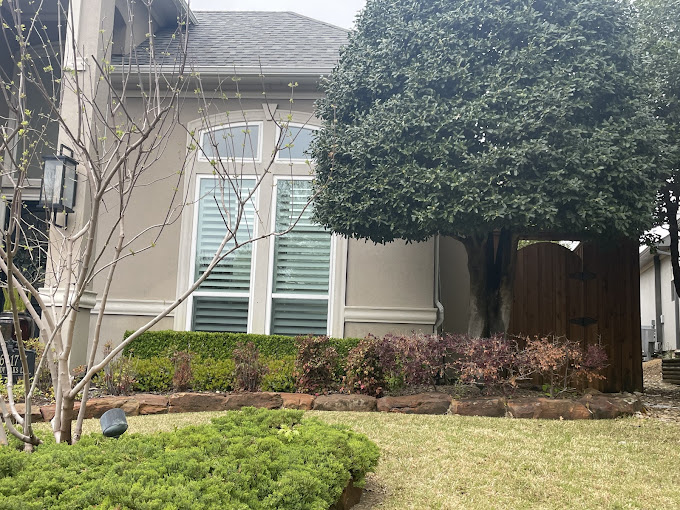
Professional observation: In Dallas-area storms, the most dangerous situations are usually the ones that appear “mostly down.” A limb can be lodged in place while still being under stress, and a tree can shift slowly after the storm, especially when the ground is saturated.
Next, separate what you can safely manage from what should be handled by a tree service. Small, already-fallen twigs away from structures may be manageable for debris cleanup, but anything near roofs, vehicles, utility lines, or fences is worth a careful assessment. If you’re unsure whether a limb is tied off or still pulling, it’s safer to pause and get an on-site review.
Main Things Customers Should Understand
Storm cleanup is not only about removing what’s obvious. A proper approach considers whether the damaged tree can recover, whether pruning will reduce future risk, or whether tree removal is the safer option. Professionals also look at the cuts that need to be made, because “random trimming” can leave weak structure or create new entry points for pests and disease.
Decision-focused tip: The goal is not just to clear your yard. It’s to reduce the chance of another failure by addressing the damaged parts correctly, then planning the right follow-up work for tree health care.
Stability versus cosmetics
Many customers start with the visible limb, but stability often comes from what’s happening at the base. If the root system has been compromised, a tree can remain risky even after you remove the broken top. That’s why a tree surveys approach matters: assessing the trunk, crown, and anchoring conditions helps match the repair plan to the real risk.
Pruning and trimming after storms
When storm damage is limited, careful professional tree trimming or tree pruning can restore safer structure. The difference between a “quick cut” and proper pruning is significant. Correct cuts can help the tree seal injuries and reduce wobble in the canopy over time. If you’re also dealing with long-term growth management, you may be looking at tree crown reduction or tree crown thinning as part of a broader plan.
When removal and stump grinding makes sense
Dead tree removal and hazardous tree removal are often needed when the tree is cracked, compromised at the base, or leaning toward structures. After a removal, stump grinding service (and affordable stump removal planning) helps clear the area for mowing, landscaping, and safer foot traffic. Leaving stumps can also create an ongoing maintenance challenge and can attract pests over time.
Tree Removal Service
Best when the trunk, major limbs, or root area is too damaged to safely keep.
Emergency Tree Removal
Best when debris creates an immediate hazard to people, property, or access.
Stump Grinding
Helps finish cleanup after removal and supports future yard work.
Why This Matters in Dallas, TX
In Dallas, TX and the surrounding DFW suburbs like Plano, storms can leave mixed results: one tree looks broken but stable, while another seems intact but has hidden stress from wind loading. Rooflines, overhead lines, mature landscaping, and established lots all affect how professionals prioritize safety and access during storm damage cleanup. That local context is why it helps to have a tree service near you that understands typical residential layouts and common storm debris patterns in the area.
If your property has trees that have been stressed before, storm damage can accelerate existing issues. A careful follow-up may include tree disease treatment, tree insect treatment, or wood borer treatment if the damage exposed vulnerable areas. For long-term tree health care, deep root fertilization and soil conditioning can also be part of rebuilding the tree’s strength after stress.
A firsthand-style industry observation
In the field, one of the most noticeable patterns after wind events is how quickly the “story” changes once a crew starts inspecting the tree. A branch that looks like the only problem can reveal additional damage in the crown, and a trunk that seems solid can show cracks or compromised structure once pressure is relieved. This is why professional storm damage cleanup usually includes both debris handling and a risk-minded assessment, not just cutting what’s easiest to reach.
| What you’re seeing | What it often means | Typical next step |
|---|---|---|
| Tree leaning, soil lifted or torn near the base | Potential root plate and stability issues | Tree risk assessment, then removal if needed |
| Cracks in trunk or major limbs | Reduced structural integrity | Professional tree pruning or hazardous tree removal |
| Broken limbs resting on roof, fence, or vehicles | Ongoing tension and fall risk | Emergency tree removal approach, then cleanup |
| Stump left after removal, tripping hazards in yard | Ongoing maintenance and access concerns | Stump grinding service to finish the job |
| Damage exposes bark wounds on stressed trees | Higher chance of secondary issues | Tree health care plan, including treatment if warranted |
Need storm damage cleanup in Dallas?
If you’re dealing with fallen limbs, leaning trees, or broken branches near structures, Parker Tree Service can help you sort out the safest next steps for cleanup and tree mitigation.
(214) 394-2414Common Mistakes to Avoid
After a storm, it’s easy to rush. The problem is that storm damage can shift after the fact, and cutting the wrong limb or removing support too early can make the situation worse. Here are the most common mistakes homeowners and property managers make during storm cleanup.
- Assuming “it’s down” means it’s safe: Branches and limbs can remain under tension and fall when disturbed.
- Using the wrong cuts: Random pruning can leave weak structure and increase future risk.
- Ignoring the base and soil: If the trunk is cracked or the root zone has shifted, the tree may still be hazardous.
- Forgetting follow-up tree health care: Wounds can invite tree pests, and stressed trees may need tree disease treatment or wood borer treatment depending on conditions.
- Skipping stump grinding: Stumps left behind can complicate future lawn care and create hazards.
Customer Checklist
Use this quick checklist to organize what to do next after storm damage cleanup in Dallas, TX. It’s designed to help you prioritize safety and communicate clearly with a tree service.

- Keep people and pets away from the damaged tree area and clear a safe path for access.
- Look for movement, cracks, and leaning, then avoid touching branches that are still under tension.
- Check proximity to homes, fences, driveways, and any overhead lines; treat anything near utilities as a higher risk.
- Document the damage (what broke, where it landed, and how the tree is positioned) to help with evaluation.
- Decide whether the situation needs immediate hazard removal versus planned pruning or tree removal.
- Plan for the “after” work: stump grinding, cleanup of debris, and a tree health care follow-up if the tree was stressed.
A representative scenario (what this looks like)
A homeowner in Dallas, TX finds a large limb down across the backyard fence, and the tree above it is visibly stressed. The first step is to keep everyone away and avoid pushing or pulling on the limb. After inspection, the crew confirms the tree has compromised structure from the storm, so the plan includes emergency tree removal for the hazardous sections, followed by cleanup of remaining debris. Once the removal is complete, stump grinding helps restore a safer, usable yard. If the broader tree health shows additional stress, the team can recommend next steps such as pruning and trimming or a tree fertilization service plan for recovery.
Frequently Asked Questions
Do I need emergency tree removal after every storm?
Not every storm issue is an emergency, but you should treat anything hanging, cracking, or resting near structures as urgent. If a limb could shift with another gust, or if a tree is leaning or shows new cracks after the storm, a quick professional assessment can help determine whether emergency tree removal is needed. For safety, avoid pushing debris into place and do not attempt to remove large limbs that appear to be under tension.
What’s the difference between tree pruning service and tree removal service for storm damage?
Tree pruning service focuses on removing broken or compromised branches to restore safer structure, provided the tree’s overall stability is still sound. Tree removal service is typically considered when damage affects the trunk, major limbs, or root area, making the tree too risky to keep. A professional evaluation looks at what happened above ground and what may be compromised near the base so the plan matches the actual risk.
Should I worry about tree disease treatment after storm cleanup?
Storm damage can expose wounds in bark and create entry points for pests or disease, especially if a tree was already stressed. After cleanup, it helps to evaluate the tree’s condition rather than assuming it will fully recover on its own. Depending on what’s visible during inspection, a plan may include tree disease treatment, tree insect treatment, or wood borer treatment as part of tree health care and mitigation.
When do you recommend stump grinding service?
Stump grinding service is commonly recommended after tree removal when you want to eliminate tripping hazards, improve mowing and yard usability, and reduce ongoing maintenance. If the stump is in a high-traffic area or interferes with landscaping plans, grinding helps finish the cleanup properly. It also supports safer long-term property care by removing the bulk of the stump rather than leaving it to decay slowly.
Can storm damage lead to tree pest control issues?
Yes, it can. When bark is damaged, trees may become more vulnerable to insects that target stressed or wounded wood. If you notice new holes, frass (insect debris), or unusual dieback after cleanup, a tree pest control evaluation can help determine whether tree insect treatment is needed. The goal is to address risk early while also supporting the tree’s recovery through appropriate tree health care.
Get help with storm damage cleanup
For tree service near me in Dallas, TX, Parker Tree Service helps homeowners and property managers plan safe cleanup and next steps for tree health care. If you want a clear, practical approach, call and we’ll discuss what you’re seeing and the options for removal, pruning, and finishing work like stump grinding.
Visit Parker Tree Service
About Parker Tree Service
Parker Tree Service provides professional tree services for Dallas, TX and the surrounding DFW suburbs, including Plano and nearby communities. From storm damage tree service to tree removal, professional tree trimming, stump grinding, and tree health care planning, the focus is on practical, risk-minded solutions that help protect people, property, and long-term tree health.
Phone: (214) 394-2414
Website: parkertreeservice.biz