
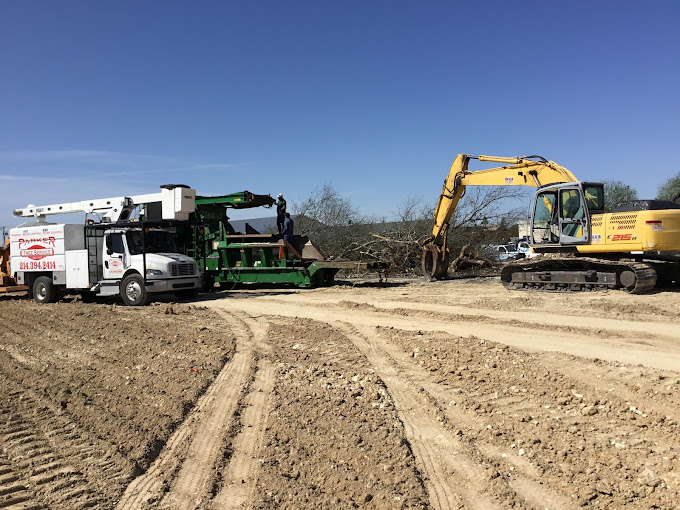
Tree Stump Grinding Signs You Need Professional Help
If you removed a tree in Dallas, TX and now you are left with a stubborn stump, you may be wondering whether stump grinding is a DIY project or something that needs a trained crew. This guide helps you spot the warning signs that stump removal should be handled carefully for safety, tree health, and property protection.
A stump can look like a simple “leftover” after tree work, but the reality is different once you start walking the yard, mowing, or planning landscaping. In Dallas, TX neighborhoods, stumps often sit near driveways, sidewalks, sprinkler lines, or the edges of a raised bed, which means the wrong approach can create damage or leave roots behind.
You might also notice new shoots or odd insects in the surrounding soil. That is when the decision shifts from “remove what is visible” to “address what is still underground.” Below, you will learn what to check first, which conditions typically require professional stump grinding service, and how a proper plan supports long-term yard health.
- Quick answer
- What to check first
- Main things customers should understand
- Why this matters in Dallas, TX
- Common mistakes to avoid
- Customer checklist
- Frequently asked questions
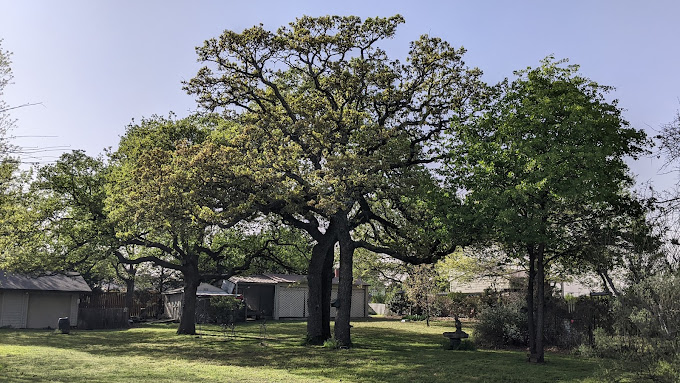
Quick Answer
If you see roots near hardscape, utility lines, or drainage features, or if the stump is unusually large, angled, or producing new growth, it is a sign to involve professionals. Grinding is not just about making the stump smaller. The goal is to reduce the root mass safely and to avoid damaging nearby structures. A trained team can evaluate site conditions, choose the right approach, and help you plan follow-up steps so the area is ready for turf or landscaping. When in doubt, schedule an on-site assessment with Parker Tree Service.
What to Check First
Before you commit to DIY stump grinding, walk the site and look for conditions that change the risk level. Start by measuring the stump diameter and checking how close it is to sidewalks, patios, fences, and driveways. Then look for any signs of underground activity, such as disturbed soil, repeated wet patches, or roots that you can feel pushing against the ground.
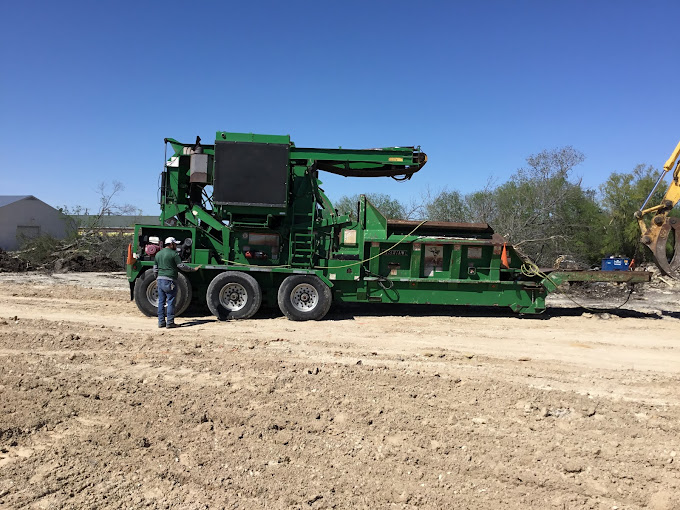
Professional observation: If you can “rock” the stump with basic pressure or you notice roots spreading toward hardscape, you are likely dealing with more than just an exposed section of the tree. Grinding depth and technique matter, and the safest plan usually starts with an on-site look at the root system.
Signs the stump is more complicated than it looks
- Sprouts or fresh growth from the stump or nearby soil, which suggests the root system is still active.
- Fungal growth near the stump, which can indicate ongoing decay processes that may not be limited to the visible wood.
- Roots that are close to structures, including steps, retaining walls, or the edge of a lawn border.
- Uneven elevation around the stump, which can complicate safe machine positioning.
Safety and access
Confirm you can place equipment safely. Tight gates, steep slopes, and narrow driveways can turn a “simple” grind into a higher-risk job.
Site damage potential
Check for sprinkler heads, irrigation lines, drainage pathways, and buried cables. Grinding can create vibration and debris that affects nearby systems.
Yard readiness
If you plan to reseed, install sod, or add landscaping, you need the stump area cleared thoroughly enough to support new growth.
Main Things Customers Should Understand
Stump grinding is often described as “just grinding,” but in practice it is a controlled removal process that depends on tree size, root spread, and how the stump sits in the landscape. In Dallas, TX, property layouts are commonly close to sidewalks, parking pads, and landscaping borders, which means the margin for error can be small.
Here are the most common reasons homeowners end up needing professional help, even after they have already tried to handle part of the cleanup.
1) The stump is near hardscape or landscaping boundaries
If the stump is within a few feet of a driveway, walk, fence line, or retaining wall, grinding technique matters. Professionals plan the machine approach and manage debris so you do not create unnecessary cracking, chipping, or disturbed soil around foundations and edges.
2) The stump is large or deep-rooted
Large stumps can require more than one pass and careful control of depth. A partial grind may leave roots under the surface, which can lead to recurring sprouts and ongoing decay. If you are dealing with a major tree removal, coordinating the stump work with the broader job plan is usually the safer route.
3) You suspect root activity under the lawn
New growth after a removal is a common clue that the root system is still alive or has remaining energy. In that situation, the “visible stump” is not the only problem. You want stump removal that addresses the remaining root mass so your yard transitions cleanly.
4) You see stress signals in nearby trees
Sometimes the stump is part of a bigger story. If you are also noticing tree decline, leaf issues, or signs of insects around the same area, it can be worth checking whether additional tree health care is needed. Parker Tree Service offers tree-related services that can complement stump work, including tree removal service when a tree must be addressed, and stump grinding removal when the stump is the active issue.
| Situation | DIY may be risky when… | Professional help is a better fit when… |
|---|---|---|
| Stump size | You cannot comfortably reach and grind evenly without repositioning often. | The stump is large enough that uneven grinding leaves major root sections behind. |
| Proximity to structures | You are near driveways, sidewalks, fences, or retaining edges. | You need controlled removal to protect nearby hardscape and landscaping. |
| Evidence of regrowth | You still see sprouts after “getting the top down.” | You want a plan that reduces the root mass to reduce recurrence. |
| Underlying complexity | You are uncertain where the main roots run. | Site evaluation is needed to choose an approach that limits damage and supports yard restoration. |
Why This Matters in Dallas, TX
In Dallas, TX and the surrounding DFW suburbs, yards often blend older trees with established landscaping near patios and driveways. When a stump remains, it can become a tripping hazard, interfere with mowing, and complicate future planting. It can also keep the area messy during hot-season maintenance, since decay and debris can be an ongoing cleanup concern.
There is also a practical timing factor. In warm months, you may notice more active growth and more visible yard impact. Taking care of stump removal before you plan reseeding or lot clearing helps you avoid rework and lets you move forward with clean, consistent landscaping.
Need stump grinding that fits your yard layout?
If you are dealing with a stump near hardscape, seeing regrowth, or planning landscaping updates, Parker Tree Service can help you map out next steps for stump grinding removal in Dallas, TX.
Request stump grinding helpCommon Mistakes to Avoid
Homeowners usually run into trouble when they treat stump grinding like a simple “finish the top” task. The underground portion of the job is what drives future problems, including regrowth and persistent decay. Here are the most frequent pitfalls we see around Dallas, TX properties.
- Grinding too shallow: If you do not reduce the root system enough, sprouts can return and the stump area stays unstable.
- Ignoring nearby utilities or irrigation: Even if you do not see lines, nearby systems can be affected by vibration and debris. A careful approach helps protect irrigation and drainage.
- Skipping cleanup and soil prep: Leftover wood chips and disturbed soil can interfere with reseeding or sod installation.
- Assuming “it is gone” because the stump is smaller: A reduced stump can still hold active roots below the surface.
- Not coordinating with other tree services: If the original tree removal was part of storm damage or a broader tree-health issue, stump work alone may not solve the overall property problem. For storm-related cleanup, consider emergency tree removal services when conditions require it.
Customer Checklist
Use this quick checklist to prepare for stump removal and stump grinding service. Bring these items to your conversation so you can get a clear plan for what is needed and how your yard will be restored afterward.
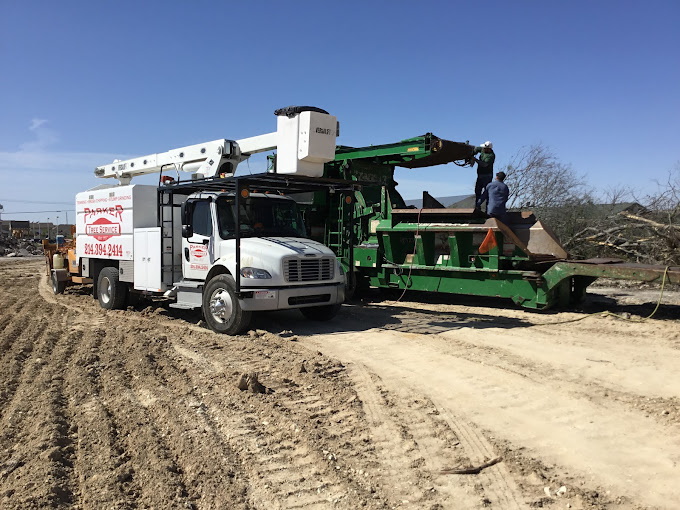
- Confirm the stump location relative to driveways, sidewalks, patios, and fences.
- Note any sprouts or new growth coming from the stump or surrounding soil.
- Look for fungal growth or unusual moisture around the stump.
- Estimate stump size (diameter) and whether it appears angled or oversized.
- Check for nearby irrigation features and any areas that stay wet after watering or rain.
- Decide what you want next: mow-ready turf, landscaping bed cleanup, or lot clearing around the area.
- Ask how the stump area will be prepared for replanting or sod so the cleanup is complete.
Representative Scenario
A Dallas homeowner recently had a large tree removed and planned to reseed the lawn two weeks later. The stump was close to a walkway, and within days they noticed small sprouts in the surrounding grass. They tried to reduce the height of the stump themselves but stopped short because the roots seemed to spread toward the walkway. After a professional assessment, Parker Tree Service performed stump grinding removal with careful attention to the site layout, then supported the homeowner’s plan to restore the area for consistent lawn growth.
Frequently Asked Questions
How do I know stump grinding is the right solution?
Stump grinding is usually the right choice when the visible stump is a problem but you want to keep the surrounding landscape intact. If you are seeing regrowth, difficulty mowing, or you want the area ready for new landscaping, grinding can reduce the remaining root mass below the surface. It is also a practical option when the stump is in a spot where pulling it out would be risky or disruptive. If the stump is close to hardscape, professional guidance can help you reduce risk while still addressing the root system.
Will stump grinding prevent sprouts from coming back?
Grinding can reduce the chances of regrowth by removing more of the root mass, but it depends on how much of the root system is addressed. If the stump was cut down but major roots remain active underground, sprouts can appear again. That is why depth and coverage matter. If you are already seeing new shoots, it is a strong sign to handle the job with care rather than just trimming the top. A professional stump grinding service can evaluate root spread and plan for a more complete reduction.
Is stump grinding safe near driveways and sidewalks?
It can be safe, but proximity changes the approach. Grinding creates debris and vibration, so the safer plan accounts for the distance to hardscape and the direction roots may travel. If a stump sits near a walkway, patio, or retaining edge, a trained crew can position equipment and manage the work so you do not create unnecessary damage. If you are unsure how close the roots are to structures or utilities, an on-site assessment is the best way to avoid guessing.
What should I do after stump grinding?
After grinding, you will typically want to remove excess wood debris and prep the soil for what you plan next, such as reseeding, sod, or landscaping. Waiting for the area to settle and planning for proper soil conditioning helps you avoid uneven ground or patchy regrowth. If you are planning tree health care for nearby trees, it can also be helpful to coordinate the stump cleanup with broader maintenance so your yard looks consistent. Your contractor can advise what to expect based on the site conditions in Dallas, TX.
When should I consider broader tree services instead?
If the stump is part of a larger tree issue, you may need more than stump removal. For example, if you suspect disease, insect activity, or ongoing decline in the surrounding trees, tree health care can be a better next step. If the tree removal happened due to storm damage, coordinating with storm-focused cleanup can help you address fallen tree removal and related property impacts. Parker Tree Service also provides pruning, trimming, and reduction services, such as tree pruning and trimming, when the goal is improved tree structure and long-term health.
Ready to get your stump area under control?
If your stump is near hardscape, showing signs of regrowth, or you want a cleaner path to reseeding and landscaping, call Parker Tree Service in Dallas, TX. We can help you determine the right approach for stump grinding removal and tree care planning.
(214) 394-2414
Parker Tree Service
Parker Tree Service provides tree services for Dallas, TX and the DFW suburbs, including stump grinding removal and other property-focused tree care. If you are dealing with stump-related hazards, yard cleanup challenges, or broader tree health concerns, our team helps homeowners and property managers make practical decisions based on site conditions.
Tree removal service for when a tree must be addressed, and deep root fertilization when supporting tree health is part of the plan.