
Overgrown Branches? Signs You Need Tree Pruning
If your trees look bigger than they did last year or branches are creeping toward structures and power lines, you likely need more than “a little trimming.” This guide helps you spot common pruning and tree health warning signs, understand what to check first, and decide when to call a professional tree trimming service in Dallas, TX.
A lot of Dallas-area homeowners notice the problem gradually. One season the branches are just “getting in the way,” and the next season they are scraping roofs, shading windows, or hanging lower over walkways. After a windy day or a heavy rain, it becomes even more obvious that the tree crown is not behaving like it used to.
You might also wonder if you should prune now or wait. The right answer depends on what you are seeing: overgrowth, structural risk, storm damage, or signs of tree disease treatment needs like pests or wood borer activity. This guide will help you identify practical pruning signals, avoid common mistakes, and choose the right next step for safer, healthier tree growth.
- Quick answer
- What to check first
- Main things customers should understand
- Why this matters in Dallas, TX
- Common mistakes to avoid
- Customer checklist
- Frequently asked questions
Quick Answer
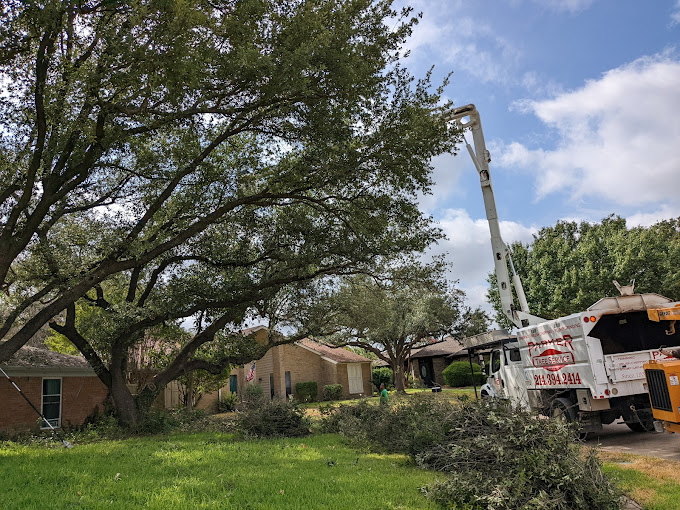
If branches are rubbing the roof or moving into walkways, blocking windows, crossing each other, or showing dead limbs, that is usually a strong sign pruning is needed. In Dallas, TX, storm-driven wind can worsen weak branch structure, so it is smart to address overgrown limbs sooner rather than later. Start by checking for dead or broken sections, pest-like holes or webbing, and branches contacting structures. For best results, request a professional tree pruning service that can assess tree health care and recommend the right pruning trimming reduction plan for your specific tree.
What to Check First
Before you decide what kind of trimming to do, take a close look at the tree crown, the trunk, and the areas around the canopy. This helps you avoid guessing. If you can do it safely from the ground, identify patterns rather than single branches, because pruning is about structure and long-term tree health care, not just appearance.
1) Clearance issues
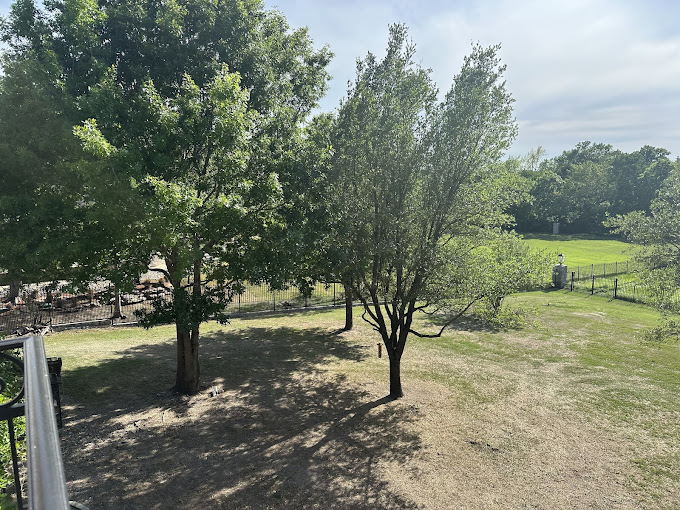
Note branches touching roofs, gutters, fences, or patio covers. Also check for branches hanging low over paths where people walk or where lawn equipment passes.
2) Dead, damaged, or rubbing limbs
Look for dead tips, cracks, limbs that rub together, or branches that appear to be leaning more than before.
3) Tree pest and wood borer clues
Watch for unusual holes, sawdust-like material, or webbing. These can point toward tree insect treatment needs such as wood borers treatment or webworms treatment.
Main Things Customers Should Understand
Overgrown branches can be more than an eyesore. In practice, we often see the same mix of issues: branches competing for space, weak attachment points, and canopy density that traps moisture and stress the tree over time. A careful pruning plan supports safer structure, better light penetration, and healthier regrowth.
Professional observation: When trees in Dallas, TX become overgrown, the canopy usually gets heavier and denser. That can increase the chance of storm damage tree service needs, especially after high winds.
Signs pruning is needed sooner
- Branches crossing or rubbing: This can create wounds that invite problems and can lead to weak joints.
- Deadwood in the crown: Dead limbs do not “come back” and can become hazardous if they loosen.
- Cracks, splits, or unusual lean: These can indicate structural stress where tree crown reduction may be part of the solution.
- Canopy crowding: If the tree looks like it has a thick blanket with little interior space, thinning and selective trimming can improve airflow.
- Clearance encroachment: Branches that creep toward rooflines, windows, or entryways typically need tree trimming services to restore safe distances.
When pruning overlaps with other tree services
Sometimes pruning is only one part of the plan. If you also see signs of stress, decline, or pest activity, the priority may shift to tree disease treatment, tree pest control, or wood borer treatment. If the tree has become hazardous or parts are beyond recovery, the right choice may be tree removal service rather than pruning.
| What you notice | Most common next step | Why it matters |
|---|---|---|
| Overgrown branches blocking a walkway or touching a roof | Professional tree pruning service with selective trimming | Restores clearance while keeping the tree crown healthier. |
| Dead limbs or cracks in the canopy | Tree risk assessment and targeted pruning trimming reduction | Reduces the chance of hazardous breakage during storms. |
| Holes, sawdust-like residue, or pest-like activity | Tree pest control evaluation and wood borer treatment planning | Pruning alone may not address the underlying cause. |
| Severe storm damage or a tree hanging over structures | Emergency tree removal or emergency tree service planning | Safety comes first when branches or trunks are unstable. |
Why This Matters in Dallas, TX
Dallas, TX properties often include mature shade trees planted decades ago, plus newer homes with landscaping that has grown in quickly. In DFW suburbs, it is common for trees to experience long dry spells followed by heavy rain and strong wind events. That pattern can stress trees, then accelerate branch breakage when the canopy is overgrown and crowded.
If you have noticed your tree crown getting thicker each year, it can be tempting to “just cut it back.” But aggressive cuts can worsen stress, increase regrowth that is not properly structured, and leave you with recurring issues. A professional approach focuses on tree shaping, tree crown thinning, and selective removal rather than blanket reduction.
Representative scenario (typical in the Dallas area)
A homeowner in Dallas tells us their live oak and neighboring branches started touching the edge of the roof after a season of rapid growth. During a windy afternoon, a few smaller limbs fell, and the tree canopy began to look heavier on one side. After inspection, the issue was not only length. The tree had dense interior growth, rubbing contact points, and dead tips near the outer crown. The plan included selective trimming to improve structure and reduce risk, rather than removing large sections at random.
Need tree pruning that looks good and supports safer structure?
If your branches are overgrown or you suspect tree health issues, Parker Tree Service can help you choose the right next step in Dallas, TX and nearby areas.
Contact Parker Tree ServiceCommon Mistakes to Avoid
Most homeowners are trying to solve a real problem. The trouble is that pruning decisions are often based on what is visible from the street, not what is happening at branch attachments inside the crown. Here are a few common mistakes we see that can lead to bigger problems later.
- “Lopping” large sections: Cutting too much at once can stress the tree and encourage weak, fast regrowth.
- Pruning without checking for pest or wood borer signs: If wood borer treatment or tree insect treatment is needed, trimming the canopy alone may not address the cause.
- Waiting until after storm damage: After high winds, weak limbs become more likely to break. Early tree maintenance services can reduce risk.
- Ignoring clearance issues: Branches that keep touching structures usually require ongoing professional tree pruning services, not temporary quick fixes.
- Forgetting the stump and root area: If a tree is removed, soil conditioning and stump grinding removal planning can matter for the next landscaping phase.
Customer Checklist
Use this quick checklist to prepare for a pruning conversation with a professional. The more specific you can be, the easier it is to recommend the right tree trimming and reduction approach for your property in Dallas, TX.
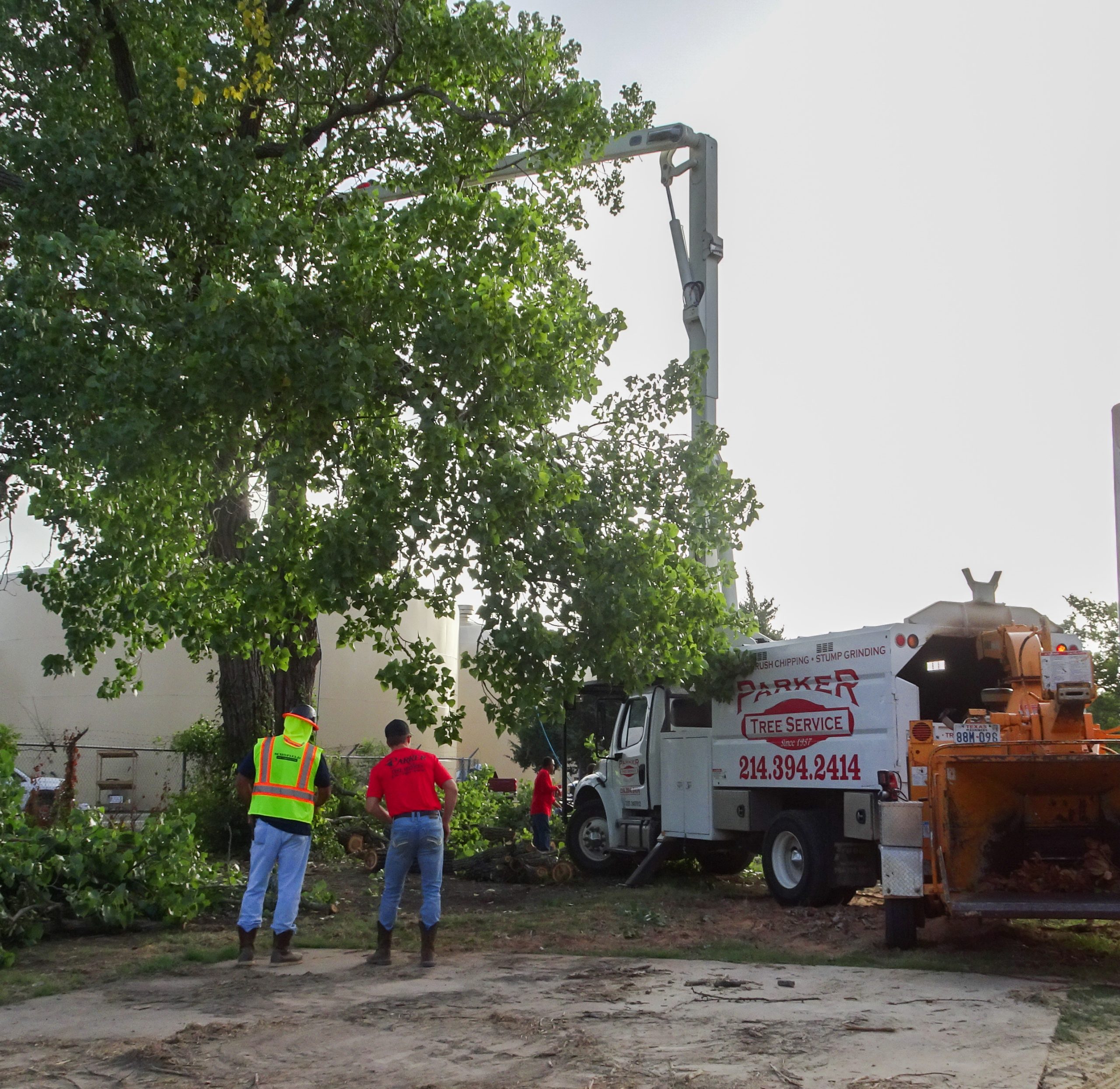
- Identify where branches touch or come within a few feet of your roof, gutters, fences, or walkways.
- List any dead limbs, cracks, splits, or branches that look like they are leaning more than before.
- Note any signs of tree pest control needs, such as holes, unusual residue, or webbing.
- Check whether the canopy is crowding interior space and blocking light to important areas.
- Decide what outcome you want: safer structure, better clearance, improved shape, or tree health care support.
- Tell us if you are also considering related services like pruning and trimming reduction or stump grinding removal after a removal decision.
Frequently Asked Questions
Below are the most common questions Dallas homeowners ask when they are trying to decide between tree pruning, tree removal service, or emergency tree removal after storm damage.
How do I know if my tree needs tree pruning or full removal?
Pruning is usually the right first step when the tree has overgrown branches, dead tips, or canopy crowding but the trunk and major limbs remain stable. Full removal becomes more likely when there is extensive structural failure, hazardous deadwood throughout the crown, or a situation where the tree poses an unacceptable risk to nearby structures. A professional tree risk assessment helps clarify what can be safely reduced versus what needs to be removed.
Is tree trimming the same as pruning and crown thinning?
People often use the terms interchangeably, but the goal matters. Tree trimming services can include shaping and clearing space, while pruning focuses on selective removal to improve structure and health. Crown thinning is a specific approach to reduce density and improve airflow through the canopy. Tree crown reduction targets overall size while working around the tree’s natural structure so it grows back more safely.
What signs suggest tree insect treatment or wood borer treatment is needed?
Look for unusual holes, sawdust-like residue, webbing, or repeated dieback in the same areas of the canopy. These can point toward tree pest control issues rather than normal growth. If you suspect wood borers treatment or webworms treatment, pruning may be part of the plan, but it should be paired with a tree health care approach so you are not treating only the visible branches.
After a storm, should I wait to prune?
After storm damage, the priority is safety. If branches are hanging, leaning, or contacting structures, it may be better to contact an emergency tree removal or emergency tree service professional. Once the immediate hazard is addressed, a follow-up inspection can determine whether targeted pruning trimming reduction will restore safer structure or whether parts of the tree require different mitigation.
Can pruning help with tree health care and fertilization?
Pruning supports tree health care by removing deadwood, improving airflow, and reducing stress from crowding. In some cases, a tree may also benefit from deep root fertilization or soil conditioning, especially when growth appears weakened. If you are considering deep-root work, a professional tree consultation can help match the approach to what the tree is actually experiencing.
Get help with overgrown branches in Dallas, TX
If you are seeing clearance problems, dead limbs, or signs your tree may be under stress, Parker Tree Service can help you plan the next step.
Contact Parker Tree Service
Parker Tree Service
Parker Tree Service provides professional tree care services in Dallas, TX and the DFW suburbs, focusing on tree pruning, pruning trimming reduction, tree shaping, and tree health care. When your property needs more than trimming, the team also supports related services like tree removal service, emergency tree removal services, stump grinding removal, and deep root fertilization to help you protect your landscape.
For help, call (214) 394-2414 or visit parkertreeservice.biz.
If you are comparing options, these services pages can help you understand the scope of work: tree removal service, emergency tree removal, tree pruning services, tree fertilization service.