

When a storm drops a limb, splits a trunk, or leaves a tree leaning toward a home, the question is not just “what will it cost?” It is also “what is the value of doing it the right way?” This guide explains the cost drivers, what to verify, and how to protect your property in Dallas and the DFW suburbs.
Last night’s thunderstorm looks “over,” but this morning you notice a tree limb on the roof, a trunk that is cracked, or branches hanging dangerously over a driveway in Dallas. The immediate concern is safety, but the follow-up is harder: how do you compare emergency tree removal options without getting surprised by the final bill?
This guide helps you understand what typically drives emergency tree removal costs, what “value” actually means for your property, and what to ask for before work begins. You will also see common mistakes homeowners make after storm damage, plus a practical checklist for the situation.
- Quick answer
- What to check first
- Main things customers should understand
- Why this matters in Dallas, TX
- Common mistakes to avoid
- Customer checklist
- Frequently asked questions

Quick Answer
Emergency tree removal cost is driven by how dangerous the situation is, how much of the tree must be removed, and how complex the work is around structures, utilities, and access. The value is not only the cleanup, it is also reducing the chance of secondary damage and planning follow-up care for tree health. If the tree is leaning, cracked, or blocking safe access, prioritize professional assessment and a scoped plan over “quick fixes.” For safer, clearer decision-making, contact Parker Tree Service for emergency tree removal so you can understand what will be removed and what will be mitigated.
What to Check First
Before you compare options, take a few minutes to understand what you are dealing with. If the tree is actively shifting, hanging low over a walkway, or touching lines, keep people and vehicles back and focus on safety first. Then, look for evidence that the tree is compromised beyond the obvious broken limb.
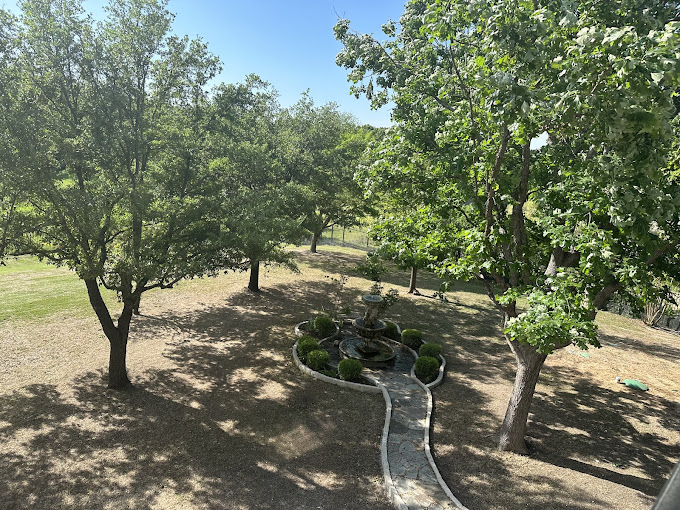
Professional observation: Emergency work is usually more than “cut and haul.” The crew has to manage stability, debris pathways, and the risk of additional cracking while they remove the hazardous portions.
Here are the practical checks that help you avoid wasted effort and unclear scopes. If you can safely do so, note these items and share them with your tree removal service:
- Where the damage is: roof, garage, driveway, fence line, or a slope toward a structure.
- What moved: trunk split, uprooted base, or a limb that is hanging under tension.
- How access looks: narrow gate, parked cars, landscaping, or low overhead clearance.
- What remains supported: whether the rest of the tree still appears stable or continues to shift.
Main Things Customers Should Understand
Two trees can look similar after a storm, yet the cleanup can differ dramatically. Emergency tree removal cost is often tied to how the job must be engineered to keep the work area controlled and the remaining tree structure safer to handle.
Tree size and structure
Large canopies, heavy trunks, and multi-stem trees usually require more time and careful sectional removal to reduce risk.
Stability and tension
Cracked trunks and hanging limbs can store energy. That affects how the crew removes sections and manages fall lines.
Site constraints
Proximity to homes, fences, and driveways affects debris control and the ability to stage equipment safely.
For many homeowners, the “value” question becomes: is the service only removing the immediate hazard, or is it addressing the next risk? In Dallas and the DFW suburbs, storms and high winds can leave trees partially damaged. That means follow-up steps may be needed to reduce the chance of additional failures.
Value perspective: If the work removes the hazardous portions but also includes a plan for what to do next, you are more likely to avoid repeat emergencies and additional property damage later.
Why This Matters in Dallas, TX
In Dallas, TX, storm damage often means fast decisions and tight schedules. Trees may be leaning after wind, roots can be stressed after wet ground, and damaged branches can fall unpredictably as conditions change. If you have residential structures close to the tree line, the safest approach is usually a controlled removal plan rather than trying to “wait it out.”
Another local factor is how common mixed landscapes are around Dallas homes: mature shade trees alongside ornamental plantings, fences, and driveways. When debris has to be handled around those features, the job can take longer than people expect. If you are also dealing with stump remnants, a separate stump grinding service can help you regain clean, usable space while reducing trip hazards.
| Situation you may notice | What it usually means for cost drivers | How it affects value |
|---|---|---|
| Cracked trunk or uprooted base | Stability work and controlled sectional removal | Less chance of secondary damage during cleanup |
| Hanging limb over a roof or driveway | Tension management and debris path planning | Safer removal around structures and vehicles |
| Tree is near fences, landscaping, or gates | Equipment staging and careful handling | Reduces collateral damage to your property |
| Stump remains after removal | Possible need for stump grinding or removal | Improves safety and usability of the area |
A practical next step
If you are trying to decide whether you need immediate removal or a short-term mitigation plan, a scoped assessment helps. It clarifies what is hazardous now and what can be addressed afterward for long-term tree health.
Get clarity on emergency tree removal and next steps
Call Parker Tree Service in Dallas, TX to discuss your situation and understand what should be removed and what can be mitigated for long-term tree health.
(214) 394-2414Common Mistakes to Avoid
After storm damage, people often focus on the most visible part of the tree. That can lead to incomplete removal or missed risks that show up days later. These are the mistakes we see most often when homeowners try to handle emergency tree concerns without a full plan.
- Waiting for “the rest to fall”: A compromised tree can shift again, especially as conditions change. That creates new hazards and can increase cleanup complexity.
- Cutting only the broken limb: If the trunk or root system is compromised, removing one branch may not address the underlying instability.
- Ignoring follow-up tree care: Storm damage can leave trees stressed. Addressing tree health care needs, such as pruning or tree disease treatment planning, helps reduce future failures. If you need tree pruning services near me, consider a planned approach rather than only emergency cleanup.
- Overlooking stump hazards: Even if the tree is gone, stumps can create trip hazards and interfere with mowing and landscaping.
Customer Checklist
Use this checklist during the call or onsite visit. It is designed to help you confirm scope, reduce surprises, and make sure the work supports both safety and property value.

- Confirm what is unsafe right now (hanging limbs, cracked trunk, leaning base, or unstable root flare).
- Ask what portions of the tree will be removed and what will be left in place after the emergency work.
- Request a clear plan for debris control around your home, driveway, and landscaping.
- Discuss whether additional steps are needed afterward, such as pruning, tree surveys, or tree risk assessment.
- If stumps remain, ask about next steps for stump grinding or stump removal to regain safe use of the area.
- Verify what you should do to keep the area safe until the job is complete.
Representative Dallas-area scenario
Imagine a homeowner in Plano after a strong wind event. A large limb breaks and lands across the garage roof, and the remaining branches hang over the driveway. The tree is not fully uprooted, but the trunk shows signs of cracking near the base. In this scenario, emergency tree service needs to remove the hazardous sections in a controlled way, clear debris safely, and then plan next steps for tree health care. That might include targeted pruning and a tree risk assessment rather than trying to “clean up only what is on the roof.”
Frequently Asked Questions
What drives emergency tree removal cost the most?
The biggest drivers are job complexity and risk. If the tree is cracked, leaning, or hanging under tension, the crew must remove sections in a controlled way, which takes time and careful planning. Site constraints also matter, such as how close the tree is to your home, fence, or driveway, and whether equipment can be staged without causing extra damage. The scope (how much of the tree must be removed to make the area safe) usually impacts the final cost more than the “tree look” alone after a storm.
Is emergency tree removal only for fallen trees?
Not necessarily. Emergency tree service can apply when a tree or limb is at risk of failing even if it is not fully down. Examples include cracked trunks, limbs hanging over structures, or trees that are leaning after wind. The goal is to reduce hazard exposure now, especially around homes, driveways, and walkways. A professional will evaluate what is unsafe and then remove or mitigate the hazardous portions so the property is safer.
How do I know whether stump grinding is worth it after removal?
Stump grinding is often valuable when you want the area to be safe and usable again. Stumps can become trip hazards, interfere with mowing or landscaping, and attract pests if left unmanaged. If you are planning to restore the yard, a stump grinding service can help you clear space and improve how the area functions day to day. If you are not sure what you need, ask the tree removal service to explain whether the stump should be ground or removed based on your site and goals.
Should I schedule tree pruning after emergency work?
Often, yes, but it depends on what damage occurred. Storms can leave branches broken or the crown uneven, and trees may need selective trimming to support safer structure. Pruning should be planned around tree health rather than done “as a cleanup only” approach. If you are dealing with stressed growth or potential disease, it can help to discuss tree health care steps. Parker Tree Service can also help with tree pruning and trimming as part of a longer-term plan.
Can a storm-damaged tree still be treated instead of removed?
Sometimes, but it depends on the type of damage and how stable the remaining structure is. A tree that is cracked at the base or has significant structural compromise is usually treated differently than one with broken branches. In many cases, emergency work addresses the immediate hazard first, and then the remaining tree can be evaluated for next steps like pruning, tree surveys, or other tree health care. A careful assessment helps avoid removing more than necessary while still keeping your property safer.
Ready to reduce risk and get a clear plan?
If your property in Dallas, TX or the DFW suburbs is dealing with storm damage, a scoped emergency removal plan can help you move from uncertainty to safety. When you understand what will be removed, how debris will be handled, and what follow-up care may be needed, you can make decisions with confidence.
Contact Parker Tree Service
Discuss your emergency tree removal needs and the practical next steps for tree health care, pruning, and mitigation.
Book a tree removal service
Parker Tree Service
Parker Tree Service provides tree services for homeowners and property managers across Dallas, TX, including Plano and the DFW suburbs. From emergency tree removal to tree pruning services and stump grinding, the focus is on safer, more controlled solutions that help protect your property after storm damage. If you need help with emergency tree service, hazard cleanup, or long-term tree health care, you can reach Parker Tree Service at (214) 394-2414 or visit parkertreeservice.biz.