
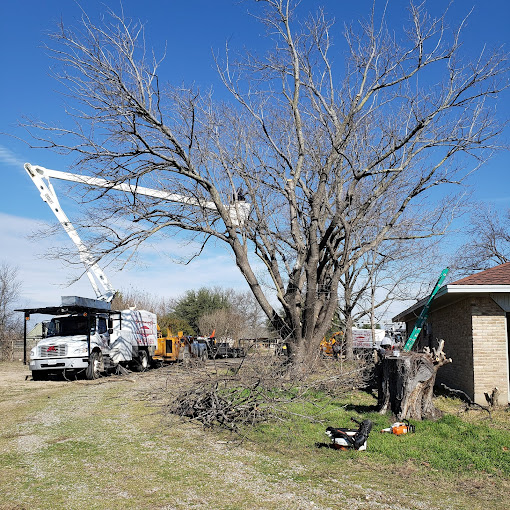
When a storm knocks down a tree or a branch starts to fail, you need clear steps that protect people first and reduce property damage. This guide explains what to check, what to avoid, and how to plan the cleanup and next steps around your home or business in Dallas, TX.
After a windy afternoon, you look out and see a tree limb resting on the fence, a trunk leaning toward the driveway, or debris scattered across the yard. Even if nobody is hurt, it is hard to tell what is safe, what needs attention right away, and what can wait until the next clear day.
This guide helps you understand the immediate hazards to address, how emergency tree removal differs from routine tree trimming, and what the next phase should include so the same risk does not come back. You will also find a practical checklist you can use while you coordinate help in the Dallas, TX area.
- Quick answer
- What to check first
- Main considerations
- Why this matters in Dallas, TX
- Common mistakes to avoid
- Customer checklist
- Frequently asked questions
Quick Answer
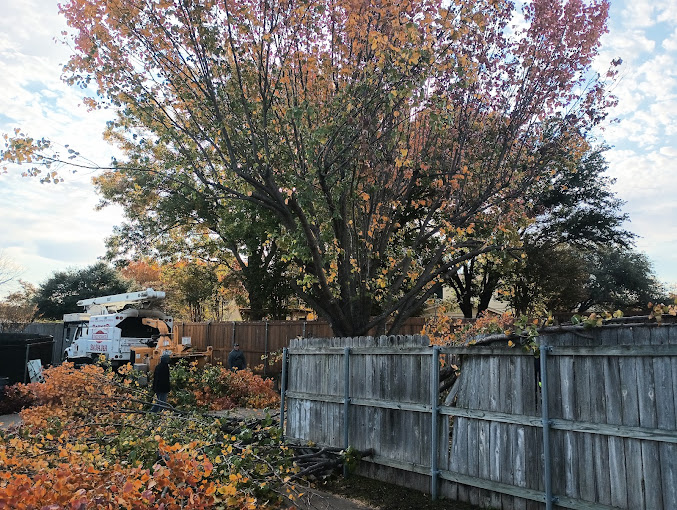
If a tree or branch is on a roof, near power lines, blocking a driveway, or showing signs of instability, treat it as a hazard and keep people away until it is evaluated. For fallen tree removal and storm damage tree service in Dallas, TX, the safest approach is to have a professional assess the site, remove the tree or dangerous sections, and then address the remaining risk (like damaged structure, stump grinding, or tree health care). A good next step is to review emergency tree removal options and schedule a site evaluation so the work plan matches your property conditions.
What to Check First
Before anyone moves debris or touches the tree, do a quick scan for safety issues. Start by keeping pets and people inside and out of the fall zone. Look for overhead lines, sagging limbs, cracking sounds, fresh splits, or movement in the trunk or roots. If anything suggests the tree could shift, the safest move is to wait for a professional assessment.
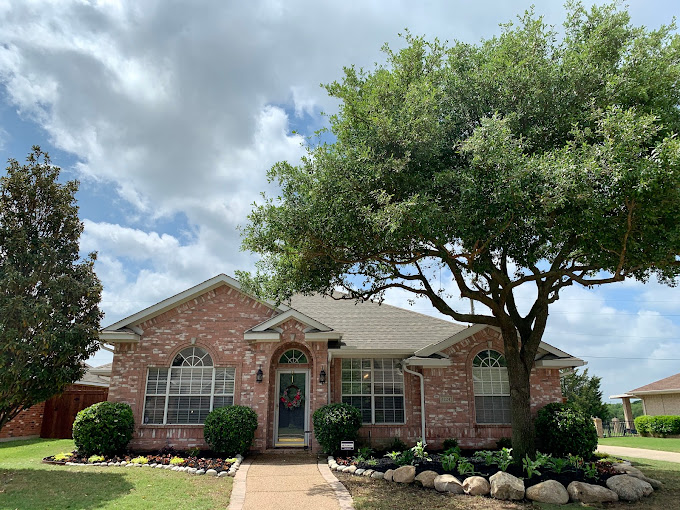
Professional observation: In Dallas, TX yards, the most time-sensitive risk is usually not the visible branch, but what you cannot easily see, like root plate movement, internal rot, or tension in a limb that can release suddenly.
Signs you should treat it as an emergency
Use these indicators to decide whether you should prioritize emergency tree removal. If you notice any of the following, contact a tree service that handles storm damage tree service and emergency tree removal:
- Tree limbs or trunks are leaning against structures, fences, sheds, or vehicles.
- Debris is on or near power lines, utility lines, or service drops.
- There is active cracking, shifting, or new movement after the storm.
- Blocking access to a driveway, walkway, or entry door.
- The tree is partially uprooted or the root flare is exposed.
What you can do while help is on the way
You can take a few low-risk steps that support safety without creating additional hazards. The goal is to limit access to the area and document the situation without putting yourself in danger.
- Keep everyone away from the tree line and stay clear of falling paths.
- Do not cut or pull limbs that appear to be “caught” or under tension.
- Move vehicles away only if it can be done safely from a distance.
- Clear the area around the perimeter so crews can access the site efficiently.
Main Things Customers Should Understand
Fast tree removal is about more than cutting down what is visible. A reliable tree removal service in Dallas, TX considers stability, the direction debris will fall, and how the remaining tree structure affects future risk. This is where professional tree trimming, tree risk assessment, and tree health care often come into play after the immediate hazard is handled.
| Situation you notice | What it usually means | Typical next step |
|---|---|---|
| Fallen limb on the ground with no movement | Can be manageable, but still may hide tension points | Professional removal and safe cleanup planning |
| Tree trunk leaning toward a house or garage | Root plate disturbance and shifting risk | Hazard removal plan before cutting |
| Debris near power lines | High risk that requires careful coordination | Emergency tree removal assessment |
| Stump left after removal | New growth and tripping hazards can remain | Stump grinding service and site cleanup |
| Repeated damage from the same tree | Underlying structural or health issues | Tree surveys, pruning, and tree disease treatment as needed |
Emergency tree removal vs. routine tree pruning
Emergency tree removal focuses on safety and hazard reduction, especially after storms and sudden failures. Routine tree pruning, tree pruning services near me, and professional tree trimming are typically aimed at maintaining structure, shaping the crown, and reducing future risk. If you already have storm damage, the cleanup and hazard removal should happen first, then pruning or tree mitigation can follow based on the tree’s condition.
A firsthand-style view of what crews look for
In many storm cleanups around the Dallas, TX area, the worksite looks simple from the street, but the tree’s internal condition tells a different story. Crews often confirm whether the trunk is broken, if the root system has lifted, and whether a limb is still under tension. That on-site check influences how the team cuts, how sections are lowered, and how much additional trimming is needed for safe clearance.
Emergency cleanup planning
When the hazard is immediate, emergency tree removal services help restore safe access and reduce the chance of further damage.
Stump grinding and removal
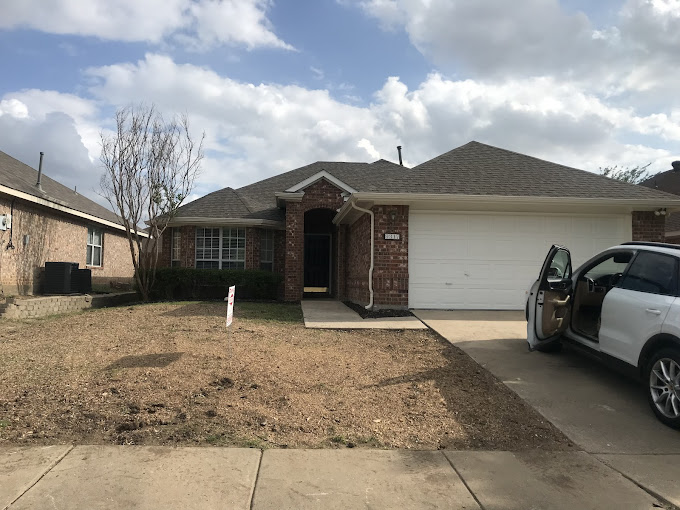
After a tree is taken down, stump grinding service can help with mowing clearance and reduce leftover root-related issues.
Tree health care
If the same tree showed decline, tree disease treatment and tree fertilization service may be part of the longer-term plan.
Why This Matters in Dallas, TX
In Dallas, TX and the surrounding DFW suburbs (including Plano), storms can create fast, unpredictable hazards in residential yards and commercial lots. Many properties have established trees close to buildings, driveways, and fences, so a fallen tree can affect more than the lawn. Clearing the hazard quickly is often the difference between a manageable cleanup and a larger repair situation.
Local tip: If you are seeing storm damage tree service needs, plan for the full sequence: hazard removal first, then stump removal or stump grinding, then a look at tree health care. That order helps keep the site safe while you address what caused the failure.
Common Mistakes to Avoid
When people feel urgency, they often reach for quick fixes that can make the situation worse. Avoiding these mistakes helps prevent injuries and reduces the chance of additional property damage.
- Cutting limbs that are still under tension can cause sudden releases and falling sections.
- Walking under or near a partially fallen tree increases the risk if the trunk shifts.
- Trying to drag debris clear without understanding how the root system is positioned.
- Ignoring signs of repeated decline (dead branches, thinning canopy, or abnormal growth) that may indicate tree disease treatment or tree insect treatment is needed.
- Stopping at the visible cleanup without addressing the stump or remaining hazard risk.
Customer Checklist
Use this checklist to organize your next steps after fallen tree removal or storm damage. It is designed to help you communicate clearly and make sure the work plan addresses both immediate hazards and long-term site safety.
- Confirm the area is clear of people and pets, and keep access limited.
- Note where the tree or limb is located relative to structures, driveways, and fences.
- Look for overhead lines and treat anything near utilities as a high-risk situation.
- Document what you can from a safe distance (what fell, where it rests, and any visible damage).
- Ask whether the plan includes tree removal service, cleanup, and stump grinding removal if needed.
- After removal, discuss tree maintenance services like pruning, tree surveys, or tree health care if decline is suspected.
Need help with storm damage tree service in Dallas, TX?
Contact Parker Tree Service to coordinate a safe removal plan for fallen trees and hazards around your home or business.
Request emergency tree removal helpRepresentative Scenario: Fallen Tree in a Dallas Driveway
A homeowner in Dallas, TX reports a large limb dropped across the driveway after a storm. The tree is still partially connected, and debris blocks access to the garage. Instead of attempting to move the limb, the homeowner keeps everyone away and allows the crew to evaluate how the limb is positioned and whether it can shift. After safe removal, the property is cleaned up, and the team advises on the next step for the remaining stump area to improve yard clearance and reduce leftover hazard risk. If the tree shows signs of decline, the plan also includes a discussion of tree health care options such as tree disease treatment or tree mitigation.
Frequently Asked Questions
How fast should tree removal happen after a storm in Dallas, TX?
Speed matters most when the tree or limb is unstable, blocking access, or near structures. If it is resting on a roof, leaning toward a building, or showing signs of movement, it should be handled as a hazard rather than something to wait on. For fallen tree removal and storm damage tree service in Dallas, TX, the practical goal is to restore safe access and reduce the chance of additional shifting or falling. A site evaluation helps set priorities based on what is actually under tension or disturbed.
What is the difference between emergency tree removal and routine tree pruning?
Emergency tree removal focuses on safety and hazard reduction after sudden failures, such as storm damage tree service or fallen trees. Routine tree pruning is typically planned work that improves structure over time, such as tree crown thinning, tree crown reduction, and professional tree trimming. If you have an active hazard right now, removal and cleanup should come first. After that, pruning, tree surveys, or tree health care can help address the conditions that contributed to the problem.
Should I remove the stump after a tree is taken down?
Many homeowners choose stump removal or stump grinding after tree removal because it improves mowing clearance and reduces tripping hazards. Stumps can also lead to lingering root-related issues and new growth, depending on the tree and conditions. If you are planning landscaping or want a cleaner site, discussing stump grinding removal is often part of the overall plan. It is also a good time to ask whether tree health care is needed for the surrounding trees, especially if decline or repeated damage is present.
What should I ask about tree disease treatment or tree insect treatment?
If the tree that failed showed signs like dead branches, unusual thinning, or visible damage, ask whether the team can perform tree surveys or tree inspection to identify the likely cause. Depending on findings, you may need tree disease treatment, wood borer treatment, webworms treatment, or tree insect treatment. If you are concerned about tree borer control or wood borers treatment, be sure to ask what observations support the recommendation and how it fits into the broader plan for tree health care and tree mitigation.
Do I need a tree risk assessment after the hazard is removed?
Often, yes. Removing a fallen tree does not automatically eliminate risk from the same tree or neighboring trees. A tree risk assessment and tree inspection can help identify whether other limbs are compromised, if the remaining canopy needs structural pruning, or if a deeper issue is present. In Dallas, TX, where storms can stress trees, this kind of evaluation supports smarter tree maintenance services. It can also guide decisions about tree cabling and bracing or other mitigation steps if appropriate.
Get your next steps organized with Parker Tree Service
For tree removal service, emergency tree removal, stump grinding service, and tree health care planning in Dallas, TX and the DFW suburbs, contact Parker Tree Service today.
(214) 394-2414About Parker Tree Service
Parker Tree Service provides tree services for Dallas, TX homeowners and businesses, including tree removal, emergency tree removal services, stump grinding and removal, and ongoing tree health care. The team supports customers across the DFW suburbs (including Plano) with practical solutions for storm damage tree service, professional tree trimming, tree disease treatment, and tree mitigation planning when hazards or decline are present.
Parker Tree Service
Tree Services in Dallas, TX and the DFW suburbs. Explore tree removal or review tree pruning and trimming to plan the right next step after a hazard.
If you are dealing with stump-related cleanup, see stump grinding and removal. For longer-term soil conditioning and tree recovery, browse deep root fertilization.