
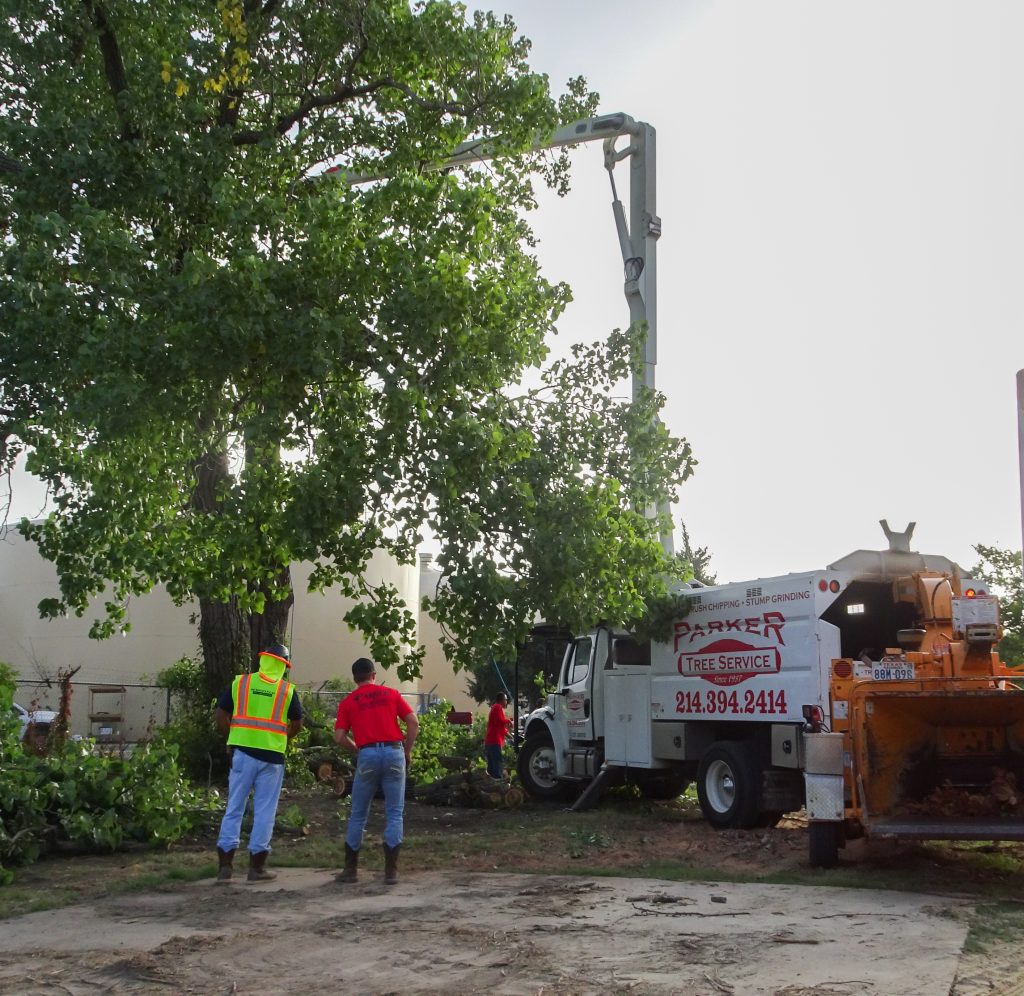
Emergency Branch Risks: When Tree Pruning Matters
A storm season in the Dallas-Fort Worth area can turn “it still looks fine” into a dangerous situation fast. This guide explains how pruning and tree risk assessment work together to reduce the odds of broken limbs, falling branches, and costly cleanup.
After a windy afternoon, you notice a few branches hanging lower than usual, and one limb looks cracked near the trunk. Maybe it’s over a driveway, maybe it’s shading a bedroom window, and now you’re wondering if you should wait for “the next calm day” or act right away.
Tree pruning is not only about appearance. The right cuts can reduce weak points, improve structure, and support healthier growth, especially when weather and tree stress are already stacking up. This guide will help you understand what to look for, what pruning can and cannot fix, and when to switch from routine trimming to a risk-focused plan.
- Quick answer
- What to check first
- Main things customers should understand
- Why this matters in Dallas, TX
- Common mistakes to avoid
- Customer checklist
- Frequently asked questions
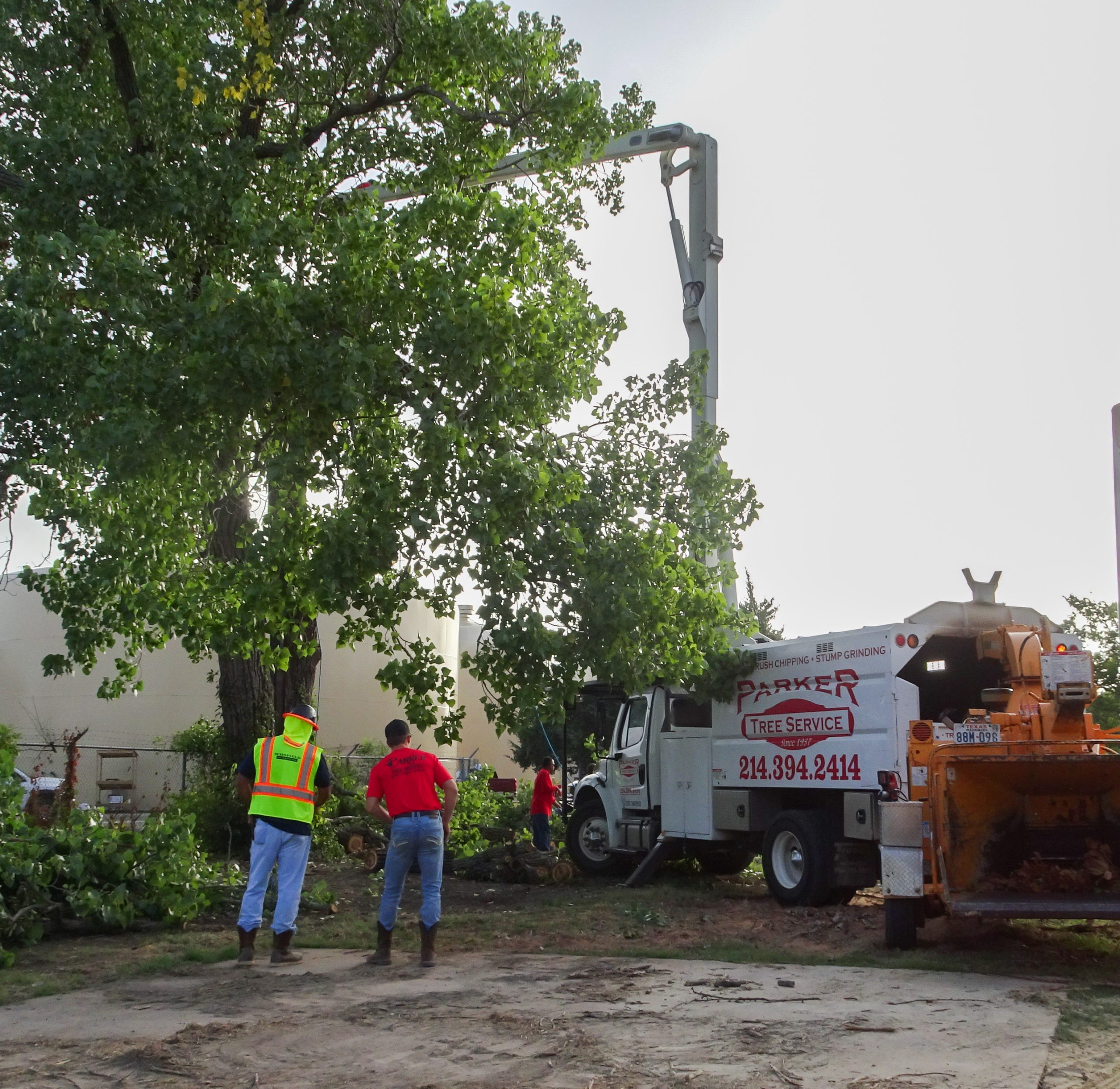
Quick Answer
If a branch is cracked, dead, hanging, leaning suddenly, or showing signs of decay or heavy insect activity, treat it as a safety issue and have it assessed before you schedule routine tree pruning. In Dallas, TX, pruning that targets structure and weak connections can reduce emergency branch risks, but it should be based on what the tree is actually doing, not a “trim it down” approach. A practical next step is to book a tree inspection, then choose a plan that may include professional tree trimming, tree crown thinning, or emergency tree removal if a limb is already unstable.
What to Check First
Start with the most immediate hazards. Walk the area from a safe distance and look for branches that are dead, broken, or hanging. If you see fresh splintering, exposed wood, or a limb that has shifted its position since the last storm, assume it could fail further. Also check for unusual gaps where leaves used to be, fungal growth near the trunk, or extensive dieback in one section of the crown.
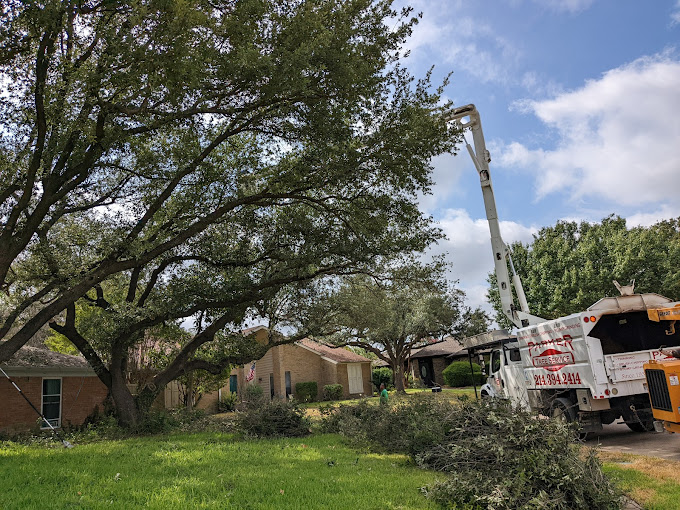
Next, consider clearance and contact points. Branches rubbing against the roofline, power lines, or fences can create repeated stress points. Even when a limb does not look broken, repeated movement can widen cracks at branch unions. If your concern is near utilities or a limb is actively pulling away, focus on safety and let a qualified team handle the work.
Professional observation: Pruning reduces risk when it addresses structure, not when it removes “a little of everything.” A risk-focused tree pruning service looks at branch unions, included bark, deadwood, and stress patterns before making cuts.
Main Things Customers Should Understand
Emergency branch risks usually show up where trees are already under strain: weak branch attachments, damaged bark, hidden decay, and crown imbalance. Pruning matters most when it improves how loads transfer through the tree, rather than simply shortening limbs. For example, tree crown thinning can reduce wind resistance, while tree crown reduction may lower weight over a specific target area. Both should be guided by the tree’s natural structure.
In practice, professionals often begin with a tree risk assessment and tree inspection, then decide whether the work is primarily pruning, mitigation, or a removal plan. If a limb is dead tree removal material, trying to “prune around it” can leave the remaining connection too weak. If the issue is tree disease treatment or tree pest control, pruning may be part of the plan, but wood-borer or insect concerns might also require targeted wood borer treatment and ongoing tree health care.
| What you’re seeing | Pruning approach that often helps | What to expect for emergency risk |
|---|---|---|
| Deadwood in the crown or branches that don’t leaf out | Targeted removal of dead branches during professional tree trimming | Less chance of brittle limbs breaking during wind |
| Overextended limbs near roofs, driveways, or walkways | Tree crown thinning or tree crown reduction based on structure | Lower leverage and weight over high-use areas |
| Cracks or separation at branch unions | Risk-based pruning or mitigation, sometimes leading to removal | Weak connections are addressed instead of trimmed around |
| Evidence of insect activity or wood borers | Tree insect treatment planning alongside pruning and sanitation cuts | Risk is reduced by addressing contributing stress points |
| Stump and root-area concerns after prior cuts | Stump grinding service and soil conditioning considerations | Improves long-term site safety and reduces regrowth issues |
Why This Matters in Dallas, TX
Dallas, TX properties often mix older trees with newer landscaping, and many yards sit close to homes, patios, and fences. That means when a limb fails, it can land where people walk or where vehicles are parked. After storms that bring gusty winds, even branches that looked “mostly fine” can become emergency branch risks if they already had stress from included bark, prior damage, or pest-related weakness.
In the Dallas and DFW suburbs, it’s also common to see trees growing into tight spaces near structures. That is where tree pruning services should be more than cosmetic. A careful plan can support tree health care by balancing the crown, removing hazardous deadwood, and reducing the strain that leads to storm damage tree service situations. If your goal is prevention, consistent professional tree trimming is usually more practical than waiting until something breaks.
When pruning is prevention
Risk-focused trimming reduces weak points before they become failures. It is especially relevant for tree crown thinning, tree shaping, and addressing deadwood.
When pruning is not enough
If a branch is already compromised, removal may be the safer path. That is where emergency tree removal planning and hazard mitigation matter.
When pests change the plan
If you suspect wood borers treatment or tree borer control, the safest strategy often includes tree insect treatment planning alongside pruning.
Get a structure-focused tree inspection
For Dallas, TX homeowners dealing with cracked unions, hanging limbs, or storm-impacted crowns, a professional inspection helps determine whether tree pruning, tree mitigation, or emergency tree removal is the right next step.
(214) 394-2414Common Mistakes to Avoid
Homeowners often try to solve risk problems with quick fixes. One common mistake is “topping” or cutting back large sections without regard to how the tree distributes load. This can create new weak growth and increase the chance of future failures. Another mistake is trimming only the visible ends of branches while leaving the weak attachment or included bark where the problem started.
People also delay action when they should assess. A limb that looks stable after a storm can weaken further as internal rot progresses or as the tree continues to shift weight. And if you see signs of tree disease treatment needs or wood borer treatment possibilities, treating the symptoms (like removing a few twigs) without addressing the underlying stress can leave the overall risk unchanged.
Practical recommendation: If you are deciding between trimming and removal, ask for a tree risk assessment that explains the hazard point. That conversation should connect pruning cuts to structure and emergency branch risk, not just to trimming preferences.
Customer Checklist
- Identify the exact branch or area of concern (where it hangs, cracks, or rubs).
- Look for deadwood, dieback, fungal growth, or unusual leaf loss in one section.
- Check branch unions for separation, included bark, and widening gaps.
- After storms, note any new lean, fresh splintering, or changes in how limbs sit.
- Consider whether insects may be involved (small holes, frass, or persistent decline).
- Confirm clearance around structures and high-traffic areas like driveways and walkways.
- Choose a plan that matches the hazard: tree pruning service, tree mitigation, or removal.
- If stumps or roots are part of the issue, plan for stump grinding service rather than repeated patchwork cuts.
Representative Scenario
A Dallas, TX homeowner noticed a branch over the driveway that had started to hang lower after a wind event. From the ground, the limb looked “only slightly damaged,” but the crack was near the attachment point, and there was noticeable dieback beyond it. Instead of shortening the limb, the recommended approach focused on structure. The final plan addressed the hazard connection and reduced crown load so the remaining branches had less leverage during future storms. Afterward, the homeowner also reviewed tree health care needs to support longer-term risk reduction.
Frequently Asked Questions
Is pruning the same thing as emergency tree service?
No. Tree pruning services are typically designed to reduce risk and support tree health over time by improving structure, removing deadwood, and managing crown weight. Emergency tree removal or emergency tree service is for situations where a limb is already unstable or there is immediate danger due to storm damage, broken branches, or severe hazards. If you are unsure, start with a tree inspection that identifies the hazard point and the safest path forward.
What signs suggest a branch could fail during another storm?
Look for cracks near the trunk or at branch unions, limbs that are hanging or pulling away, fresh splintering, and dead or dying sections that don’t respond like the rest of the tree. Fungal growth near the base or major limbs can also be a warning. In Dallas, TX, repeated wind can worsen existing stress, so if the tree’s shape or leafing pattern has changed after a storm, a risk-focused assessment is a smart next step.
Can tree pest control or wood borer treatment change the pruning plan?
Yes. If insects or wood borers are contributing to decline, the hazard may be structural rather than cosmetic. A pruning approach that ignores wood borer control or tree borer control needs can leave weakness in the same location. A professional plan may combine pruning with tree insect treatment planning and other mitigation steps, depending on what the inspection finds. This is especially relevant when you see ongoing dieback or signs near the trunk or major limbs.
Should I remove a stump myself after a branch problem?
Removing what’s above ground is different from addressing what’s below. Stumps and roots can affect safety and site maintenance, and they can also create ongoing issues if left in place. A stump grinding service is often a practical choice because it targets the stump and reduces regrowth. If your concern is related to old pruning or emergency removal that left a stump behind, plan for stump grinding removal rather than repeated cutting.
How does deep root fertilization fit into tree health care?
Deep root fertilization is one part of tree health care, typically used when your goal is to support the tree’s overall vigor. It is not a substitute for addressing immediate hazards like dead branches or unstable unions. In a risk-focused plan, pruning and mitigation come first when safety is involved, and tree fertilization service may be considered later to support recovery and long-term maintenance needs.
Need help with tree pruning or emergency branch risk?
Parker Tree Service helps Dallas, TX homeowners and property managers make clear decisions about tree pruning, storm damage tree service, and emergency tree removal planning. If you’re seeing cracks, deadwood, or storm-impacted limbs, call to discuss what you’re noticing and the safest next step.
(214) 394-2414Helpful internal resources
These services connect directly to the situations homeowners face when pruning is needed for safety, health, or storm recovery.
- Tree pruning, trimming, and crown reduction
- Emergency tree removal services
- Stump grinding and stump removal
- Deep root fertilization for tree health care
Parker Tree Service
Parker Tree Service provides tree care services for Dallas, TX and the DFW suburbs, including professional tree trimming, tree pruning services near me, and tree removal service when hazards require it. If your property has storm damage tree service needs, emergency branch risks, or tree health care concerns related to disease treatment or tree pest control, our focus is on practical, risk-aware planning for residential tree service and commercial tree service situations.
Serving Dallas and surrounding communities, Parker Tree Service can help with lot clearing, brush clearing, and land clearing when you need site work completed alongside tree mitigation.