
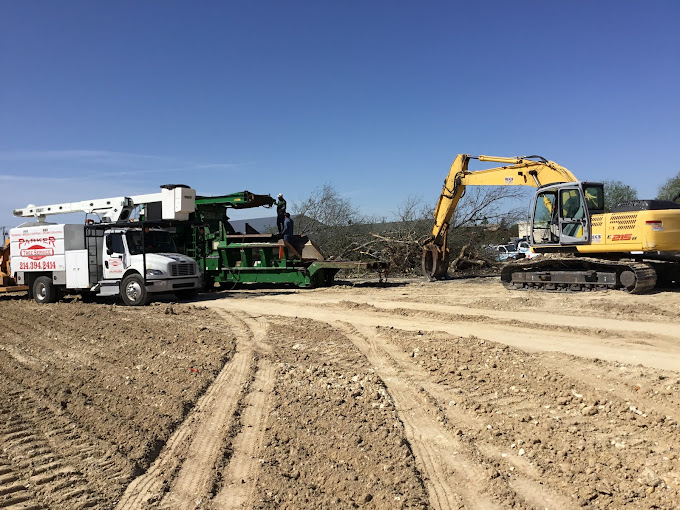
After a storm or tree removal, a leftover stump can create more than an eyesore. Proper stump grinding helps reduce trip hazards, discourages new sprouting, and improves how your yard can be used again. If you are in Dallas, TX, or the DFW suburbs, this guide explains what to look for and what a safe, thorough process usually involves.
A few weeks after a tree comes down, it is easy to assume the hard part is over. But in many Dallas, TX yards, the stump is left behind just long enough to become a real problem. It can catch lawn equipment, block foot traffic, and create a noticeable trip risk near sidewalks, gates, and driveways.
If you are planning to re-landscape, build a walkway, or simply want your property to feel “finished,” the right stump removal approach matters. This guide will help you understand when stump grinding is the better path, what to check before you schedule work, and how to avoid common mistakes that can leave hazards behind.
- Quick answer
- What to check first
- Main things customers should understand
- Why this matters in Dallas, TX
- Common mistakes to avoid
- Customer checklist
- Frequently asked questions
Quick Answer
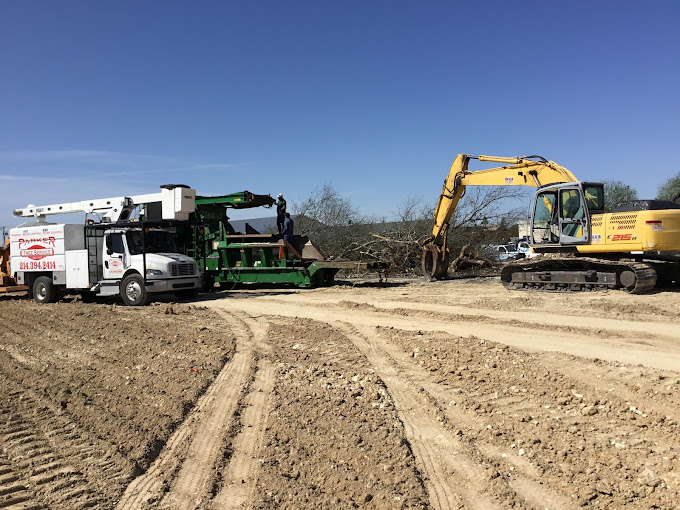
Proper stump grinding is the most practical way to reduce safety hazards after a tree removal. Grinding breaks the stump down below the surface so it is less likely to snag equipment, trip people, or sprout again. For safety, property protection, and better long-term results, avoid DIY attempts if the stump is near structures, hardscape, or utilities. Instead, plan stump grinding with a tree service that can assess the site and grind to an appropriate depth for your yard goals. If you also need the surrounding tree issues addressed, combine stump work with the right tree care steps.
What to Check First
Before stump grinding, take a quick walk around the stump and think about how people and equipment move across the area. Note whether it sits near a sidewalk, driveway edge, fence line, retaining wall, or garden bed where roots or debris could interfere. Also check whether the stump is the result of a recent removal or storm-damaged tree, since that affects how the roots may be anchored in the soil. Finally, look for signs of underground utilities or irrigation lines in the area, because safe stump grinding depends on knowing what is below the ground.

Trip-risk hotspots
Pay attention to low spots and raised stump edges where foot traffic funnels, like near steps, gates, or entry paths.
Hardscape and root contact
If the stump is close to concrete, pavers, or edging, grinding needs careful control to protect your property.
Yard re-use plans
If you want to re-sod, add mulch, or plant, stump grinding helps create a cleaner surface for finishing work.
Main Things Customers Should Understand
Stump grinding is not just about making the top of the stump disappear. The goal is to reduce what can cause hazards and future problems. When grinding is done correctly, the stump is reduced into smaller wood particles below the surface, which helps lower the chance of accidental trips and can reduce the likelihood of new growth. In many yards, grinding also makes it easier to spread soil, grade the area, and blend the location back into landscaping.
Professional observation: Proper stump grinding focuses on depth and site safety, not just appearance. Even when a stump looks “small,” the remaining root mass can still affect how the area settles and how new shoots behave.
In Dallas, TX properties often include mature shade trees, plus older landscaping beds around foundations. That means the stump may be surrounded by established roots, mulch layers, and sometimes buried materials. The grinding process should be planned around those conditions so you end up with a usable yard space rather than a patch that still feels uneven or snag-prone. If you are dealing with tree health issues too, consider tree maintenance work such as tree pruning and crown reduction to help keep the remaining trees safer and more manageable.
Stump grinding vs. stump removal: what changes for safety?
| Decision point | Stump grinding | Stump removal |
|---|---|---|
| Primary safety goal | Reduces the raised surface and helps eliminate trip and snag points by grinding below grade | Removes the stump mass so there is less “remaining wood” to interfere with walking paths or mowing |
| Re-landscaping readiness | Typically leaves wood material that can be managed for a cleaner finish after grinding | Often clears more material at once, which can simplify certain rebuild plans |
| Property constraints | Works well when you need controlled grinding near hardscape, provided the site is assessed | May require more disturbance depending on root structure and surrounding features |
| When to consider additional tree work | If the stump is part of a larger removal job, pairing with other services can improve overall yard safety | If the stump came from storm damage, addressing nearby weak limbs may help prevent repeat issues |
Why This Matters in Dallas, TX
In Dallas, TX and the DFW suburbs, storm events can leave trees partially damaged or fully removed, and the stump is often the last piece that gets attention. Fast recovery is common, especially for homeowners managing driveways, backyard access, or rental properties where tenants want safe walkways and usable yard space. Stump grinding helps reduce the “unfinished” feel and supports safer yard re-use when seasons shift and homeowners start spending more time outdoors.
One firsthand-style pattern we see is this: after emergency tree removal, the homeowner focuses on removing the fallen portions, then notices the stump later when they start mowing more regularly or when kids and guests use the area. That delay is what turns a manageable stump into a repeated snag point. A planned stump grinding step helps close that gap so your property feels safe again.
Common Mistakes to Avoid
Stump hazards often come from shortcuts. A common mistake is trying to “knock it down” without grinding, which can leave sharp edges or an uneven stump base that still trips people. Another is delaying stump work until after you have already started lawn care or landscaping, which increases the chance of snagging equipment or accidentally injuring someone while working around the stump.
Common mistakes to avoid:
- Skipping a site check for nearby hardscape, fences, or walkways
- Assuming a stump is harmless because it looks small above ground
- Using the wrong approach near structures, since improper removal can damage surrounding areas
- Focusing only on the visible top and not on what remains below grade
Customer Checklist
Use this checklist to prepare for stump grinding and help ensure the results support safer yard use. It is also a useful reference when you talk with a tree service about your specific Dallas, TX property layout.
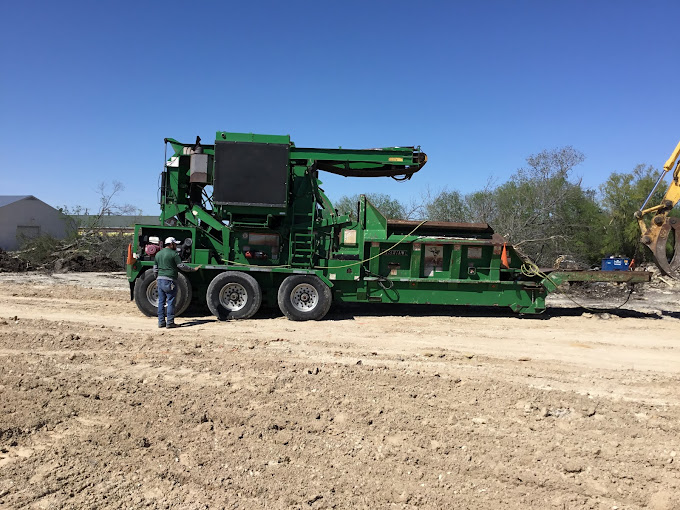
- Walk the area and identify trip and snag points near sidewalks, gates, or mowing routes
- Measure the stump diameter and note whether it is close to concrete, pavers, or edging
- Clarify your end goal: smoother yard surface, re-sod/re-mulch, or clearing space for new planting
- Look for signs of nearby utilities or irrigation lines and mention them when scheduling
- Confirm whether the stump is part of a larger tree removal or storm repair plan
- Plan for cleanup and finishing so the area blends back into the yard
Need safe stump grinding in Dallas, TX?
If you are dealing with a leftover stump after tree removal, Parker Tree Service can help you plan the next step so your yard is safer and easier to use.
(214) 394-2414Frequently Asked Questions
Here are practical answers to questions homeowners and property managers often ask when planning stump grinding, stump removal, and related tree services in Dallas, TX.
How soon should I address a stump after a tree is removed?
In most cases, it is smart to address the stump soon after the removal so it does not become an ongoing safety hazard. A stump that seems “fine” at first can be noticed later when you mow, walk the yard more often, or when guests use paths near the stump. If the stump is close to a driveway, sidewalk, or entry gate, delaying can increase trip and snag risks. Planning stump grinding promptly also helps you move forward with landscaping or yard re-use with less disruption.
Will stump grinding stop the stump from coming back?
Grinding reduces the stump and what remains below grade, which can help lower the chance of new growth compared with leaving the stump untouched. The outcome depends on the stump’s size, root structure, and how much material is ground down. For the best results, the work should be planned around the site so grinding reaches an appropriate depth for your safety and yard goals. If you are also dealing with tree health concerns in the surrounding area, pairing stump work with the right tree care services can improve overall results.
Is stump grinding safe near concrete, pavers, or fences?
It can be, but it should be approached carefully. Stump grinding near hardscape requires site awareness and controlled grinding so you do not damage nearby surfaces or structures. The closer the stump is to concrete, pavers, or fence lines, the more important it is to assess the layout first. A professional stump grinding plan can help reduce the risk of unintended damage while still addressing the safety issue the stump creates.
When should I consider emergency tree removal instead of just stump work?
If a tree is down, leaning dangerously, or blocking safe access, emergency tree removal is usually the priority before stump concerns. After the immediate hazard is handled, stump grinding becomes the next step to reduce long-term trip and snag risks. If your stump came from storm damage, it is also a good idea to evaluate nearby trees and limbs, since the same storm can leave other branches weakened. You can review emergency tree removal services for guidance on what to address first.
Can stump grinding help with re-landscaping?
Yes. Stump grinding typically clears the raised wood mass and helps create a smoother yard surface so you can grade, add soil, and finish landscaping more easily. Whether you are preparing for fresh mulch, re-sod, or new planting, addressing the stump helps the area look more uniform. If you are also planning broader cleanup, it can be helpful to coordinate stump work with other property services so the yard comes together in one organized plan.
Get your yard back to safe use
If you are in Dallas, TX and dealing with a stump that is affecting walkways, mowing, or landscaping plans, Parker Tree Service can help. We focus on proper stump grinding as part of a safer, cleaner property finish.
Explore stump grinding & removal
Parker Tree Service
Parker Tree Service provides tree services for homeowners and property managers in Dallas, TX and the DFW suburbs. From tree removal service to tree pruning and trimming and stump grinding, the goal is safer yards and better long-term tree health care. If your property needs more than one step, we can help coordinate the right approach, including deep root fertilization when it fits your situation: deep root fertilization.